
Transforming Ideas Into Functional Structures
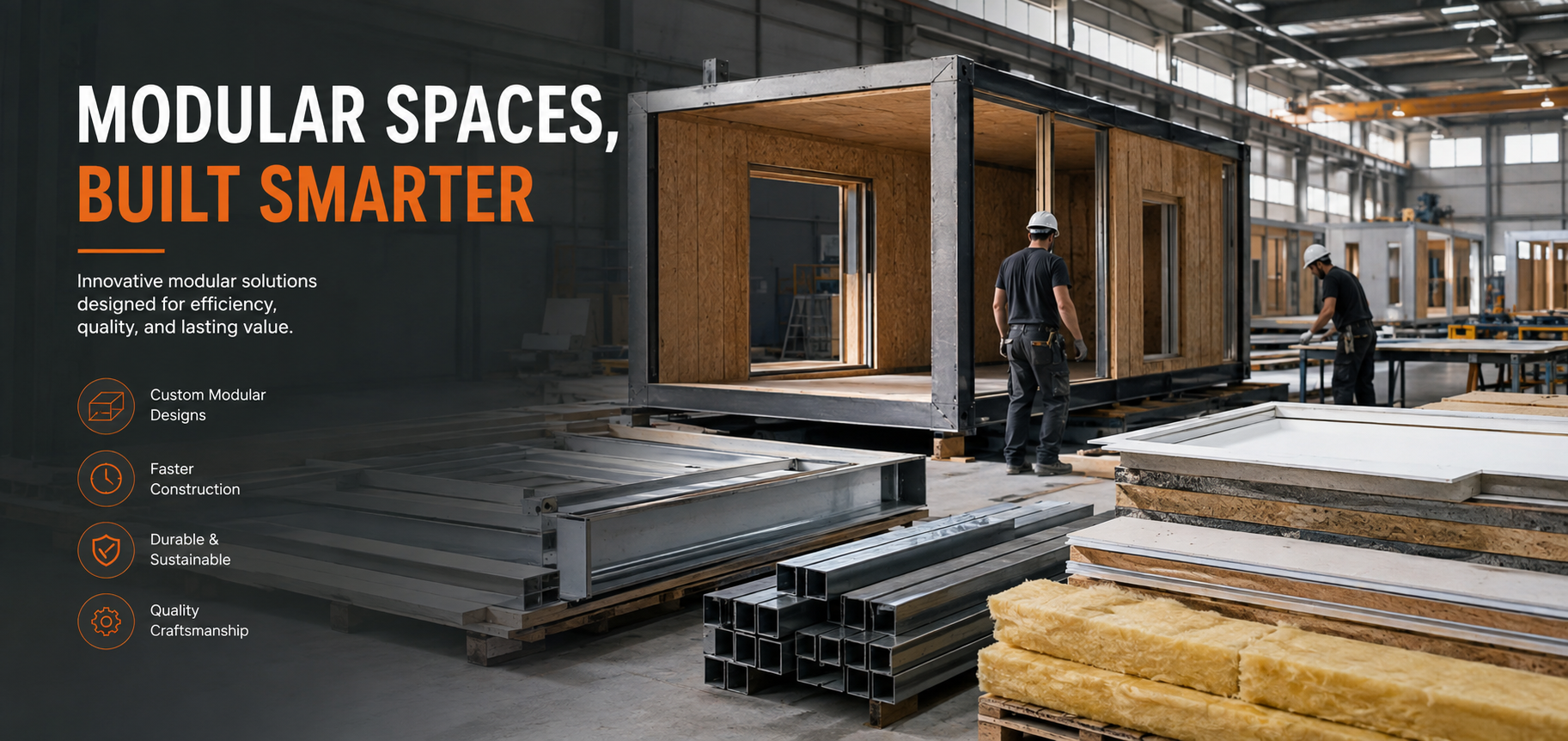
The competitive landscape of business events and exhibitions requires brands to present themselves with unparalleled professionalism and visual appeal. Standing out in a crowded exhibition hall is no longer just about having a good product; it is about creating an immersive environment that draws attendees in and tells a compelling brand story. Over the years, the approach to designing these environments has shifted dramatically, moving away from heavy and cumbersome wooden structures toward smarter and highly adaptable solutions. This transformation has revolutionized how companies plan their marketing budgets and execute their event strategies.
In the early days of event marketing, building an impressive booth meant hiring carpenters and dealing with heavy materials that were difficult to transport and even harder to assemble. Exhibitors faced exorbitant shipping costs and required specialized labor to set up their displays. As the industry progressed, the need for lightweight, versatile, and reusable materials became blatantly obvious. Brands demanded flexibility. They wanted structures that could be reconfigured for different floor plans without requiring a complete overhaul or entirely new construction for every single event on their calendar.
Click Here: https://www.classicmodul.com/
Enter the ultimate solution for modern exhibitors. Whether a company is constructing a massive island exhibit, a sophisticated retail kiosk, or an engaging museum display, the foundation of modern design relies on high quality engineering. The strategic use of provides the absolute perfect balance of lightweight portability and immense structural strength. This innovative approach empowers designers to dream big while ensuring that the practical aspects of building and dismantling the booth remain remarkably simple.
Understanding the Core Material for Displays
When exploring the anatomy of a premium exhibition booth, one material consistently emerges as the industry standard. The reliance on engineered metal profiles has fundamentally changed the manufacturing process for display builders worldwide. These profiles are meticulously crafted to serve as the skeleton for a vast array of structures. Their unique properties make them the ideal choice for environments where safety, stability, and aesthetics are equally paramount. Understanding the science behind these components reveals why they are trusted by top tier brands and design agencies globally.
The manufacturing process involves pushing heated metal through specialized dies to create long, continuous shapes with specific cross sectional profiles. This method allows for an incredible variety of designs, from simple square tubing to complex channels that interlock and support various accessories. The precision achieved during this process ensures that every piece fits together perfectly. Such accuracy is crucial when building large scale environments where even the smallest deviation can cause instability or visual imperfections.
One of the most significant advantages of this material is its exceptional strength to weight ratio. Despite being incredibly lightweight, these components can bear substantial loads, supporting heavy monitors, expansive fabric graphics, and intricate lighting rigs. This characteristic is particularly beneficial for event logistics, where shipping costs are calculated by weight. Exhibitors can transport elaborate, towering structures without incurring the astronomical freight charges typically associated with traditional building materials.
Why Structural Integrity Matters in Exhibit Design
Creating a visually stunning display is only half the battle; ensuring that the structure is safe and secure is arguably the most critical aspect of exhibition planning. When dealing with crowded convention halls and constant foot traffic, the stability of a booth is absolutely non negotiable. A compromised framework can lead to disastrous consequences, including damaged equipment, ruined branding, and potential injury to attendees. Therefore, prioritizing structural integrity from the initial design phase is paramount for any responsible exhibitor.
The foundation of a secure booth lies in the quality of its connectors and foundational supports. High grade modular systems utilize patented locking mechanisms that secure profiles together with immense force. These connections prevent any wobbling or shifting, even when the display is subjected to accidental bumps or the weight of interactive elements. The engineering behind these joints is rigorously tested to withstand significant stress, providing peace of mind to both the brand representatives working the booth and the event organizers.
Furthermore, large scale island displays often require multi level constructions or suspended elements that hang from the venue ceiling. These ambitious designs demand a foundational material that can handle complex load distributions. The inherent rigidity of precision crafted profiles ensures that weight is evenly dispersed throughout the framework. This scientific approach to weight management prevents sagging or warping, maintaining the crisp, architectural lines that define high end custom environments.
Unlocking Creative Freedom with Modular Systems
A common misconception regarding modular frameworks is that they limit creativity and result in generic, boxy designs. In reality, the exact opposite is true. Modern engineered systems are designed specifically to liberate designers, offering a blank canvas where imagination is the only true limitation. The sheer variety of available profiles, curves, and angles allows for the construction of organic shapes, sweeping arches, and complex geometric patterns that effortlessly capture attention.
The integration of tension fabric graphics has further expanded the creative possibilities. These vibrant, high definition graphics stretch flawlessly over the metallic frames, creating seamless visual expanses that can span entire walls. Because the fabric is held taut within the channels of the profiles, there are no visible seams or wrinkles to distract from the message. This seamless integration allows brands to showcase massive imagery, intricate patterns, or bold typography with absolute perfect clarity.
Flexibility is another hallmark of these innovative systems. A single inventory of structural components can be reconfigured into multiple distinct layouts. A company might use their components to build a towering twenty by twenty island exhibit at a major industry conference, and then repurpose those exact same parts to create three separate ten by ten inline booths for smaller regional events. This adaptability ensures that marketing teams can tailor their physical presence to match the specific audience and spatial constraints of any given venue.
Integrating Technology and Dynamic Lighting
In the modern digital age, a static display is rarely enough to fully engage an audience. Integrating technology and dynamic lighting is essential for creating an interactive and memorable experience. The architectural frameworks we have been discussing are uniquely suited for this purpose. Their hollow channels and sturdy construction provide the perfect conduits for hiding unsightly cables and supporting heavy electronic equipment. This allows for a clean, futuristic aesthetic where technology appears to magically float within the design.
One of the most impactful ways to utilize these systems is through the creation of stunning lightboxes. By embedding high quality LED arrays within the perimeter of the frames and covering them with specialized translucent fabrics, brands can create massive, glowing billboards. These illuminated structures draw the eye from across the room, making colors pop and ensuring that branding is visible even in poorly lit convention halls. The proprietary LED technology ensures even light distribution without any frustrating hot spots or shadows.
Interactive multimedia is another critical component of modern engagement. Screens of all sizes, from small touch panels to massive video walls, can be seamlessly mounted directly onto the structural profiles. This integration allows companies to showcase product demonstrations, run promotional videos, or host interactive games that keep attendees lingering at their booth. Because the mounting hardware connects directly to the core framework, the screens are incredibly secure and perfectly flush with the surrounding graphics.
Streamlining Transportation and Installation
The logistical challenges of participating in trade shows are notoriously complex and incredibly expensive. The costs associated with shipping materials, hiring union labor for assembly, and dealing with drayage fees can quickly consume a massive portion of an event budget. This is where the intelligence of engineered modular systems truly shines. Every aspect of their design is optimized to minimize logistical friction and reduce hidden costs, making the entire process far more efficient and completely stress free.
The lightweight nature of the components drastically reduces shipping weight. Furthermore, the ability to break down large structures into compact, manageable pieces means that an entire booth can often be packed into just a few standard shipping crates. This efficient use of space not only lowers freight charges but also reduces the drayage fees charged by event facilities for moving materials from the loading dock to the show floor. Over a busy event season, these savings amount to a substantial sum.
When it comes to installation, time is literally money. Complex custom builds typically require days of setup and a large crew of specialized laborers. In contrast, precision engineered systems are designed for rapid deployment. The intuitive locking mechanisms and clearly labeled components allow for incredibly fast assembly, often requiring nothing more than a simple specialized tool. This ease of use means that booths can be erected in a fraction of the time, significantly reducing billable labor hours.
Partnering with the Experts at Classic Modul
What sets this organization apart is their comprehensive approach to problem solving. They do not merely sell raw materials; they provide complete engineering and design solutions. Whether a client needs a few simple profiles for a small project or a fully engineered layout for a massive double decker island exhibit, their talented team is ready to assist. Their advanced manufacturing facility utilizes state of the art computer numerical control technology to guarantee that every single component is crafted to exact specifications.
Customer support is deeply ingrained in their corporate culture. They understand that the events industry operates on strict, unforgiving deadlines. Their extensive inventory and highly efficient production processes allow them to respond rapidly to any request, accommodating tight turnarounds without sacrificing quality. Clients can rest easy knowing that they have a reliable partner who will move mountains to ensure their display arrives on time and in absolutely perfect condition.
Furthermore, their dedication to continuous improvement is evident in their ever expanding product catalog. They constantly develop new profiles, innovative connectors, and brilliant lightbox solutions to stay ahead of design trends. By choosing to work with such a forward thinking company, brands ensure that their marketing assets remain cutting edge. This dedication to progression empowers clients to consistently outshine their competitors and captivate their target audiences year after year.
Frequently Asked Questions
What makes engineered metal frameworks better than traditional wood builds?
Engineered metal frameworks are vastly superior because they offer incredible durability, are significantly lighter, and can be reused or reconfigured for multiple events. Wood builds are extremely heavy, prone to damage during transit, and often end up in landfills after just a few uses. The modular nature of metallic systems saves immense amounts of money on shipping and labor while being far more environmentally responsible.
Can these structures support heavy electronic equipment like video walls?
Yes, absolutely. The cross sectional design of these profiles gives them an incredibly high strength to weight ratio. They are specifically engineered to bear substantial loads safely. With the proper connectors and foundational planning, these systems easily support massive screens, intricate lighting trusses, and heavy product displays without compromising the stability of the overall structure.
Are these modular systems customizable to fit my specific brand colors?
Customization is a core feature of these advanced systems. The metallic surfaces can be powder coated or anodized in virtually any color to match your strict corporate identity guidelines. Furthermore, the seamless integration of vibrant tension fabric graphics ensures that your specific branding covers the structure flawlessly, creating a highly personalized and visually striking environment.
How difficult is it to assemble a large booth using this system?
Assembly is surprisingly straightforward and highly efficient. The components utilize intuitive locking mechanisms that typically require only a simple tool to secure. Because the parts are manufactured with extreme precision, they align perfectly every single time. This drastically reduces the hours required for setup and dismantle, allowing event teams to save substantially on costly union labor fees.
Is it possible to integrate bright lighting directly into the booth walls?
Yes, integrating lighting is one of the most popular features of this system. Specialized profiles are designed specifically to house bright LED arrays safely. When combined with translucent fabric graphics, you can create massive, glowing lightboxes that serve as entire walls or standalone structures. This dynamic lighting attracts attention from across the room and makes your branding incredibly vibrant.
Final Thoughts
Navigating the complex world of event marketing demands strategic thinking and a commitment to utilizing the best available resources. As we have explored in great detail, moving away from archaic construction methods and embracing highly engineered modular solutions is critical for maximizing both visual impact and financial return. The versatility, strength, and striking aesthetic appeal of these frameworks empower brands to create unforgettable experiences that resonate deeply with their target audiences.

 English
 Arabic
 French
 Spanish
 Portuguese
 Deutsch
 Turkish
 Dutch
Dutch
 Russian
 Romaian
 Portuguese (Brazil)
 Greek
Greek
