
Essential Oil Manufacturer and Supplier
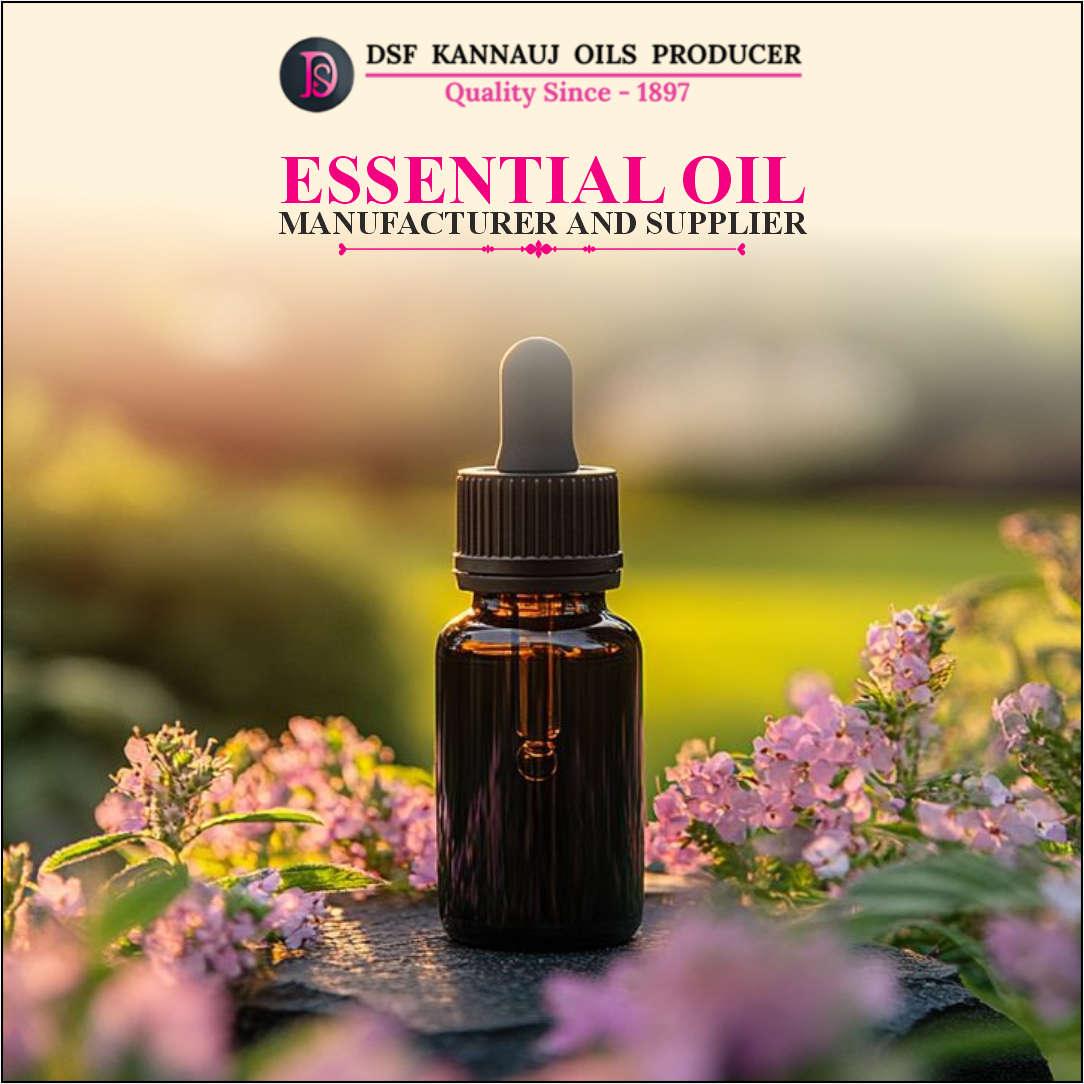

Complete Guide to Choosing the Right essential oil manufacturer and Supplier
Essential oils are widely used in perfumes, cosmetics, aromatherapy, personal care products, soaps, candles, wellness products, and home fragrances. As demand for natural and plant-based ingredients continues to grow, businesses need a reliable essential oil manufacturer and supplier that can provide consistent quality, suitable packaging, and dependable supply.
Choosing the right supplier is important whether you are a cosmetic brand, perfume manufacturer, soap maker, aromatherapy business, wellness company, or distributor. A good supplier should understand your product requirements and provide essential oils that match your intended application.
This guide explains how essential oils are manufactured, what to check before purchasing, and how businesses can choose the right essential oil manufacturer and supplier.
What Is an Essential Oil Manufacturer and Supplier?
An essential oil manufacturer and supplier produces, processes, tests, packages, and supplies concentrated aromatic oils obtained from plants. Depending on the plant material, essential oils may be produced from flowers, leaves, roots, seeds, bark, fruits, or other botanical parts.
Common essential oils include:
- Sandalwood oil
- Rose oil
- Lavender oil
- Peppermint oil
- Eucalyptus oil
- Clove oil
- Lemongrass oil
- Tea tree oil
- Rosemary oil
- Cinnamon oil
- Orange oil
- Cardamom oil
A manufacturer may supply essential oils directly to businesses in bulk quantities, while a supplier or distributor may source oils from manufacturers and make them available to different markets.
For businesses purchasing essential oils regularly, working with an experienced manufacturer can make it easier to maintain consistent product quality and supply.
How Are Essential Oils Manufactured?
The production method depends on the plant and the desired oil. The most common extraction methods include steam distillation, cold pressing, and solvent extraction.
1. Steam Distillation
Steam distillation is one of the most commonly used methods for producing essential oils. Plant material is exposed to steam, which helps release volatile aromatic compounds. The vapour is then condensed, and the essential oil is separated from the water.
This method is commonly used for oils derived from leaves, flowers, herbs, and other plant materials.
2. Cold Pressing
Cold pressing is mainly used for citrus oils. The outer peel of fruits such as orange, lemon, lime, and grapefruit contains aromatic compounds that can be extracted through mechanical processing.
3. Other Extraction Methods
Certain delicate flowers and botanical materials may require specialized extraction methods. The appropriate process depends on the botanical material, desired fragrance profile, and final application.
A professional essential oil manufacturer and supplier should be able to explain the extraction method used for the particular oil you are purchasing.
Why Quality Matters When Buying Essential Oils
Essential oils are concentrated products, so quality and consistency matter. Businesses using essential oils in their own products need raw materials that meet their specifications.
Important quality factors include:
Botanical Identity
The supplier should clearly identify the botanical source of the oil. This helps buyers understand exactly what they are purchasing.
Purity
Purity is important when essential oils are being used as ingredients in perfumes, cosmetics, personal care products, or other formulations.
Aroma Profile
The fragrance should be suitable for the intended application. Different growing conditions, plant varieties, extraction methods, and processing practices can influence aroma.
Consistency
For manufacturers, consistency from one batch to another is important. A significant change in fragrance or characteristics can affect the final product.
Proper Storage
Essential oils should be stored appropriately to help maintain their quality. Packaging, temperature, light exposure, and handling can all influence storage stability.
What Products Can Be Made Using Essential Oils?

Essential oils have applications across several industries.
Perfume and Fragrance Industry
Essential oils can be used as aromatic ingredients in perfumes, attars, fragrance blends, and other scented products.
Cosmetics and Personal Care
Essential oils may be used in selected cosmetic and personal care formulations, depending on the product requirements and applicable safety standards.
Soap and Bath Products
Soap manufacturers often use essential oils to add natural aromatic notes to soaps, bath products, and body-care formulations.
Aromatherapy Products
Certain essential oils are used in aromatherapy products such as diffuser blends and aromatic formulations. However, appropriate dilution and product-specific safety guidance should always be followed.
Home Fragrance
Essential oils can also be used in selected candles, diffusers, room fragrances, and other scented products.
Food and Flavour Applications
Some plant-derived oils may have food or flavour applications, but businesses should purchase only oils specifically supplied and documented for the intended food use. An oil intended for fragrance or cosmetic applications should not automatically be assumed to be food-grade.
How to Choose the Best Essential Oil Manufacturer and Supplier
Selecting a supplier requires more than comparing prices. Consider the following factors before placing an order.
1. Check Product Range
First, check whether the supplier offers the oils you need. If you purchase multiple oils, working with a supplier that has a broad product range may simplify procurement.
2. Ask About Botanical Information
Request information about the botanical name, plant part used, origin where relevant, and extraction method.
3. Request Quality Documentation
Depending on your application and purchasing requirements, ask for relevant documentation such as a Certificate of Analysis (COA), specification sheet, Safety Data Sheet (SDS), or other applicable quality documents.
The exact documentation required may vary according to the product, market, and intended application.
4. Evaluate Batch Consistency
If you manufacture products regularly, consistent raw materials are important. Ask the supplier how batches are evaluated and controlled.
5. Consider Packaging Options
Bulk essential oils may require suitable containers based on the oil and quantity. Ask about available packaging sizes and whether the supplier can support your storage and transportation requirements.
6. Check Bulk Supply Capability
Businesses should confirm whether the manufacturer can supply the quantity they need. Discuss minimum order quantities, lead times, bulk packaging, and repeat-order capacity before starting a long-term relationship.
7. Compare Pricing Carefully
Price is important, but the lowest price is not always the best option. Compare pricing alongside quality, documentation, packaging, supply consistency, and service.
8. Look for Industry Experience
An experienced essential oil manufacturer and supplier is more likely to understand the different requirements of perfume, cosmetic, personal care, soap, and fragrance businesses.
Essential Oil Manufacturer vs. Distributor
A manufacturer produces the essential oil, while a distributor generally purchases products from manufacturers and supplies them to customers.
Manufacturer
- Produces essential oils
- Controls or manages the manufacturing process
- May offer bulk quantities
- Can provide production-related information
- May support customized business requirements
Distributor
- Sources products from manufacturers
- May offer multiple brands or product categories
- Can be useful for smaller or mixed orders
- May provide wider distribution coverage
The right option depends on your order size, application, location, documentation requirements, and purchasing model.
Why Businesses Prefer Bulk Essential Oil Suppliers
Bulk purchasing can be useful for businesses that use essential oils regularly. It may help simplify procurement and maintain a stable supply of raw materials.
Before ordering in bulk, businesses should confirm:
- Required quantity
- Minimum order quantity
- Packaging size
- Shelf-life information
- Storage requirements
- Delivery timeline
- Product documentation
- Payment terms
- Repeat-order availability
A supplier that can consistently meet these requirements can become a valuable long-term business partner.
Essential Oil Applications by Industry
|
Industry |
Common Uses |
|
Perfume |
Fragrance blends and perfumes |
|
Cosmetics |
Selected personal care formulations |
|
Soap |
Scented soaps and cleansing products |
|
Aromatherapy |
Diffuser and aromatic products |
|
Home Fragrance |
Diffusers and room fragrance |
|
Wellness |
Selected aromatic formulations |
|
Manufacturing |
Raw material for fragrance products |
The suitability of an essential oil depends on its specification and intended application. Always confirm that the product is appropriate for your specific formulation.
Questions to Ask an Essential Oil Supplier Before Buying
Before placing an order, ask practical questions such as:
- What is the botanical name of the oil?
- Which plant part is used?
- What extraction method is used?
- Is the oil pure or blended?
- Can you provide a COA?
- Can you provide an SDS?
- What packaging sizes are available?
- What is the minimum order quantity?
- Can you supply bulk quantities?
- What is the expected delivery time?
- How should the oil be stored?
- Is the product suitable for my intended application?
Getting clear answers can help you compare different suppliers more effectively.
Essential Oil Manufacturer and Supplier in India
India has a strong botanical and fragrance industry, making it an important sourcing destination for plant-based aromatic ingredients. Businesses looking for an essential oil manufacturer and supplier in India can compare suppliers based on manufacturing capabilities, product range, quality practices, sourcing, documentation, packaging, and delivery support.
When selecting an Indian supplier, buyers should also consider whether the supplier can support domestic or international orders according to their requirements.
For exporters and international buyers, it is useful to discuss packaging, shipping documentation, product specifications, and destination-market requirements before confirming an order.
Tips for Storing Essential Oils
Proper storage can help maintain essential oil quality.
Keep essential oils in suitable, tightly closed containers and protect them from excessive heat, direct sunlight, and unnecessary exposure to air. Storage recommendations can differ between oils, so follow the supplier's product-specific guidance.
Businesses purchasing bulk quantities should also maintain proper inventory practices and avoid unnecessary exposure during repeated opening and handling.
Why Choose a Reliable Essential Oil Manufacturer and Supplier?
A reliable supplier can provide more than just a product. For businesses, the right supplier can support:
- Consistent product supply
- Product specifications
- Quality documentation
- Bulk ordering
- Suitable packaging
- Technical product information
- Repeat purchasing
- Business-to-business support
This is particularly important for manufacturers whose finished products depend on the quality and consistency of their raw materials.
Frequently Asked Questions About Essential Oil Manufacturers and Suppliers
What does an essential oil manufacturer do?
An essential oil manufacturer processes plant-based raw materials to produce essential oils. The manufacturer may also handle quality testing, packaging, storage, and bulk supply.
How do I choose an essential oil manufacturer and supplier?
Compare suppliers based on product quality, botanical information, extraction method, documentation, batch consistency, packaging, minimum order quantity, pricing, and delivery capability.
Can I buy essential oils in bulk?
Yes. Many essential oil manufacturers and suppliers offer bulk quantities for businesses such as perfume manufacturers, cosmetic companies, soap makers, and fragrance brands. Available quantities and minimum order requirements vary by supplier.
What documents should I ask for when buying essential oils?
Depending on the product and intended application, you may request a Certificate of Analysis, Safety Data Sheet, product specification sheet, and other relevant documentation.
What is the most common method used to make essential oils?
Steam distillation is one of the most common extraction methods. However, the appropriate method depends on the botanical material. Citrus oils, for example, are commonly produced using mechanical cold-pressing methods.
Are all essential oils suitable for cosmetics?
No. Essential oils differ in composition, quality, and intended use. Businesses should verify the product specification and ensure that the oil is suitable for their intended cosmetic formulation and complies with applicable requirements.
Can essential oils be used in perfumes?
Yes, many essential oils are used as aromatic ingredients in perfumes and fragrance products. The choice depends on the desired scent profile and formulation.
How should essential oils be stored?
Generally, essential oils should be kept tightly closed and protected from excessive heat, light, and air. Always follow the storage instructions provided for the specific oil.
What is the difference between essential oil and fragrance oil?
Essential oils are concentrated aromatic materials obtained from botanical sources through processes such as distillation or pressing. Fragrance oils are formulated fragrance products and may contain a combination of aromatic ingredients. Their composition and intended applications can differ.
Can an essential oil supplier provide customized orders?
Some manufacturers may support customized packaging, quantities, or business requirements. Availability depends on the supplier, product, order volume, and technical requirements.
Conclusion
Finding the right essential oil manufacturer and supplier is an important decision for businesses that depend on reliable botanical ingredients. Instead of choosing a supplier based only on price, evaluate product quality, extraction methods, documentation, consistency, packaging, bulk availability, and delivery support.
Whether you need essential oils for perfumes, cosmetics, soaps, aromatherapy, home fragrance, or other products, a professional supplier should be able to provide clear product information and consistent business support.
For long-term purchasing, compare suppliers carefully, request relevant documentation, confirm the intended application, and test samples before placing large orders. These steps can help businesses build a dependable supply chain and choose an essential oil manufacturer that matches their product and business requirements.
📞 Contact Details
· 📱 Phone Number: +91-7376359839
· 📧 Email Address: dsfonline4u@gmail.com
· 🌐 Website: https://kannauj-fragrance.com/
· https://kannauj-fragrance.com/blogs/perfume/essential-oil-manufacturer-and-supplier
· 📍 Visit Us: MG ROAD, KANNAUJ, Uttar Pradesh, 209725

 English
 Arabic
 Spanish
 Portuguese
 Deutsch
 Turkish
 Dutch
Dutch
 Italiano
 Russian
 Romaian
 Portuguese (Brazil)
 Greek
Greek
