
Dental Braces: Types and Treatment Options
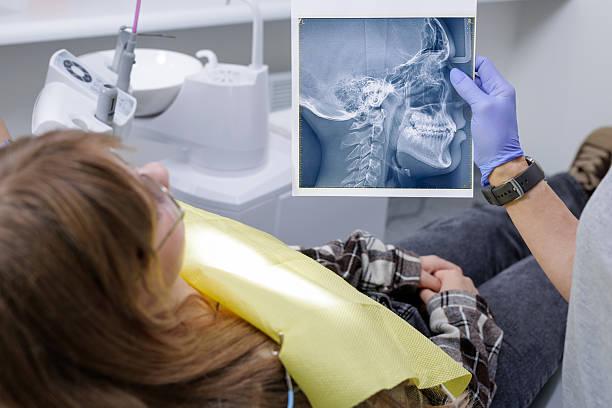
Choosing orthodontic treatment is an important decision for anyone dealing with crooked teeth, crowding, gaps, or bite concerns. Dental Braces in Dubai can gradually guide teeth into improved positions while supporting better alignment and oral function. Different types of braces are available, and the right option depends on the patient's dental condition, treatment goals, lifestyle, and professional assessment.
Why Are Dental Braces Used?
Dental Braces are designed to apply controlled pressure to teeth over time. This gradual force allows teeth to move toward positions planned by the dental professional. Treatment can address a range of alignment concerns, from mild spacing to more complex orthodontic problems.
Improving tooth position can provide cosmetic benefits, but orthodontic treatment can also support everyday dental care. Crowded or overlapping teeth may be harder to brush and floss properly. Better alignment can make some areas easier to clean and may support healthier gums and teeth.
Braces can also be used to improve certain bite concerns. When the upper and lower teeth do not meet properly, orthodontic treatment may help create a more balanced relationship between them.
Selecting a Dental Clinic for Treatment
Choosing a professional Dental Clinic is an important part of the orthodontic process. Before recommending braces, a dental professional can examine the teeth, gums, bite, and overall oral health.
Digital scans, photographs, or X-rays may be used to understand tooth positioning and supporting structures. These records help the professional develop a treatment plan based on the patient's specific needs.
The consultation is also an opportunity to discuss treatment expectations, estimated duration, care requirements, and available orthodontic options.
Traditional Metal Braces
Traditional metal braces are one of the most widely used orthodontic solutions. They consist of brackets attached to the teeth and wires that gradually guide the teeth into their planned positions.
Metal braces can be effective for many types of alignment problems, including significant crowding, spacing, and certain bite issues. They are durable and can provide precise tooth movement when professionally adjusted throughout treatment.
Patients wearing metal braces need to attend regular appointments so that progress can be monitored and adjustments can be made when necessary.
Ceramic Braces
Ceramic braces operate using a similar principle to metal braces but use tooth-coloured or clear brackets. Because they can blend more naturally with the teeth, they are often considered a more discreet fixed-brace option.
They may be appealing to adults and teenagers who are concerned about the appearance of traditional metal brackets. However, careful oral hygiene is still essential because ceramic braces also require regular cleaning and professional monitoring.
Clear Aligners
Clear aligners are removable trays designed to move teeth gradually. They can be convenient for suitable patients because they can be removed during meals and routine brushing.
They also provide a discreet appearance, which may appeal to people who want less noticeable orthodontic treatment. However, clear aligners are not appropriate for every case, particularly when complex tooth movements are required.
A professional examination is necessary to determine whether aligners can achieve the desired results.
How Is the Right Option Chosen?
The most suitable orthodontic treatment depends on several factors. The condition of the teeth, severity of crowding or spacing, bite alignment, oral health, and treatment expectations all play a role.
For some patients, traditional metal braces may provide the most effective approach. Others may prefer ceramic braces because of their appearance, while selected patients may be suitable for clear aligners.
A professional should make the final recommendation after evaluating the patient's individual orthodontic needs. Choosing an option based only on appearance or convenience may not provide the most appropriate solution.
What Can You Expect During Treatment?
Treatment generally begins with a consultation and detailed examination. Once the treatment plan is established, the selected orthodontic appliance is fitted or provided according to the recommended approach.
Patients normally attend follow-up appointments throughout treatment. These appointments allow the dental professional to monitor tooth movement and make adjustments as needed.
Treatment duration varies considerably. More straightforward alignment concerns may require less time, while significant crowding, spacing, or bite problems may require a longer treatment period.
Caring for Teeth With Braces
Maintaining good oral hygiene is essential during orthodontic treatment. Brackets and wires can create areas where food particles and plaque collect, making thorough cleaning particularly important.
Patients should brush carefully around brackets and clean between their teeth regularly. Depending on the appliance, specialized cleaning tools may make it easier to reach difficult areas.
Dietary care is also important. Hard, sticky, and chewy foods can damage orthodontic appliances. Following professional recommendations can help protect brackets and wires and reduce unnecessary treatment interruptions.
Maintaining Your Results
After active orthodontic treatment, retainers are commonly recommended to help maintain the new position of the teeth. Without appropriate retention, teeth can gradually shift over time.
The type of retainer and wearing schedule will depend on the individual treatment plan. Following professional instructions and attending regular dental appointments can help protect the results.
Good oral hygiene should also continue after braces are removed. Brushing, flossing, and routine dental care remain important for keeping the smile healthy.
Which Dental Braces Are Right for You?
There is no single orthodontic option that is ideal for everyone. Dental Braces may be suitable for correcting different alignment and bite concerns, but the appropriate type depends on your individual dental condition and treatment goals. A professional assessment can help identify the right approach and guide you toward a straighter, healthier, and more confident smile.

 English
 Arabic
 French
 Spanish
 Portuguese
 Deutsch
 Dutch
Dutch
 Italiano
 Russian
 Romaian
 Portuguese (Brazil)
 Greek
Greek
