
Invisalign: A Modern Option for Discreet Orthodontic Treatment
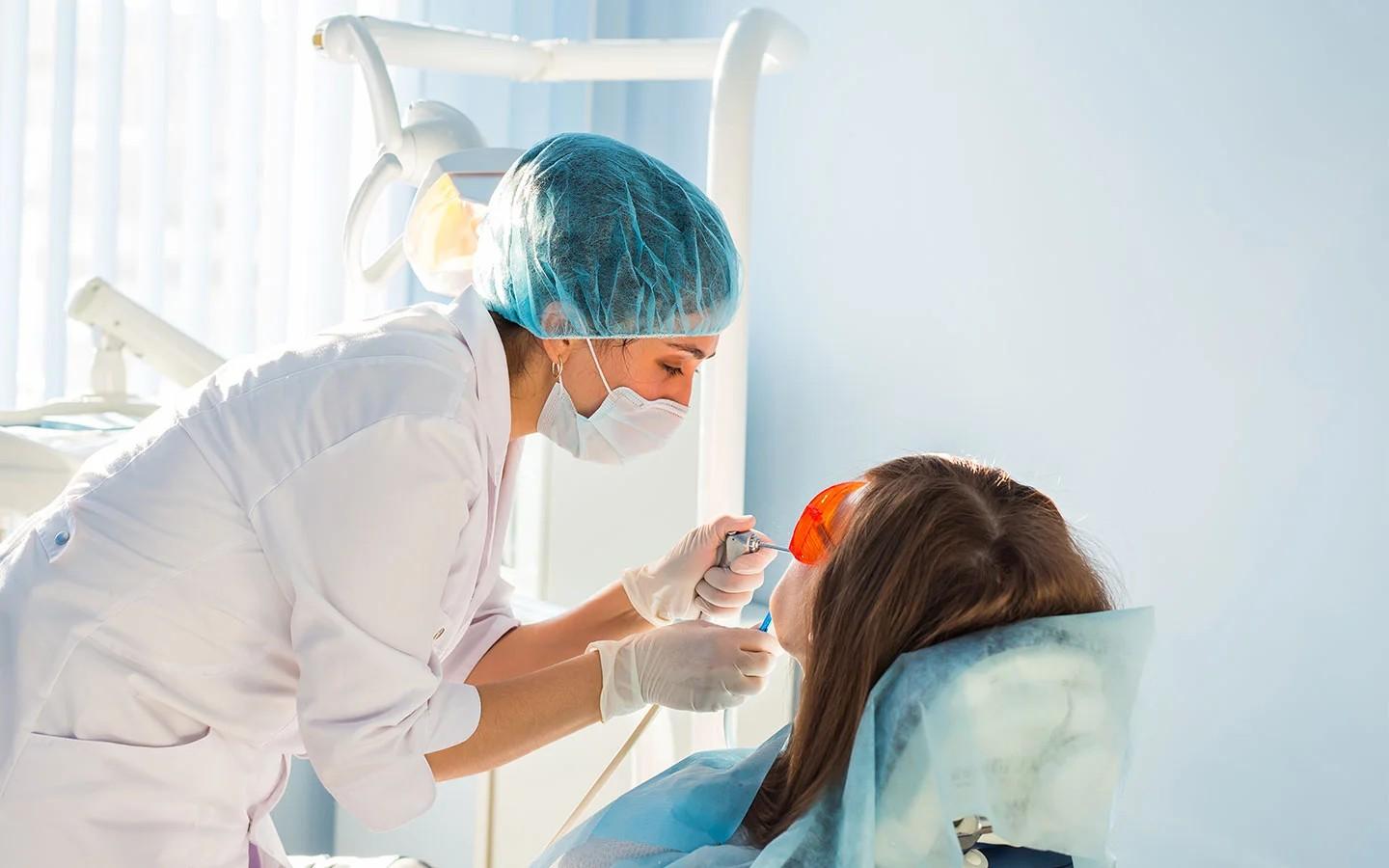
A smile can influence confidence, communication, and the way a person feels in everyday situations. When teeth are crowded, unevenly spaced, or poorly aligned, many people consider orthodontic treatment but hesitate because they do not want noticeable braces. Invisalign offers a discreet alternative for suitable patients, using clear removable aligners to gradually guide teeth toward improved positions.
While the transparent appearance of aligners is an obvious attraction, effective treatment depends on much more than the appliance itself. A proper examination, individualized planning, consistent wear, professional monitoring, and appropriate aftercare all contribute to a successful orthodontic experience.
What Makes Invisalign Different?
Traditional braces use brackets and wires attached to the teeth. invisalign terrassa takes a different approach by using a series of clear, custom-made aligners.
Each aligner is designed to apply controlled pressure to specific teeth. Patients progress through the series according to a treatment plan, with each stage contributing to the gradual movement of the teeth.
Because the aligners are transparent, they are much less noticeable than conventional braces. This can be especially appealing to adults who want to improve their smile without making orthodontic treatment highly visible.
The number of aligners required varies from one patient to another. Treatment length depends on factors such as the degree of movement needed and the complexity of the alignment problem.
Beginning With a Careful Dental Assessment
Clear aligner treatment should always begin with a professional examination. Not every orthodontic concern can be treated effectively with the same method.
The dental professional will examine the teeth, gums, bite, and supporting structures. Digital scans, photographs, impressions, or other diagnostic records may be used to understand the current alignment and create an appropriate treatment plan.
Existing dental problems should also be identified before treatment begins. Tooth decay, gum inflammation, damaged teeth, or other concerns may require attention first.
This assessment is important because it allows the dental team to determine whether Invisalign is suitable and establish realistic expectations about the potential outcome.
A Discreet Solution for Busy Lifestyles
One of the main reasons people choose Invisalign is its subtle appearance. The clear aligners are designed to fit closely over the teeth, making them relatively difficult to notice during ordinary conversations.
This can be particularly helpful for people who work with customers, attend meetings, give presentations, or regularly participate in social events.
Patients can continue their everyday activities without the visual impact associated with conventional metal braces. For many adults, this makes the idea of orthodontic treatment feel more manageable.
However, discreet treatment should not mean careless treatment. Patients still need to follow professional instructions carefully throughout the process.
The Advantage of Removable Aligners
Invisalign aligners can generally be removed for meals, which allows patients to continue eating their usual foods without navigating around brackets or wires.
Removability can also simplify oral hygiene. Patients can take the aligners out before brushing and cleaning between their teeth, making it easier to maintain their usual routine.
This flexibility is convenient, but it also places more responsibility on the patient. Unlike fixed braces, aligners can be removed at any time. Leaving them out too frequently may interfere with the planned tooth movement.
For this reason, patients need to wear their aligners for the amount of time recommended by their dental professional and follow the prescribed sequence.
Which Problems Can Clear Aligners Address?
Invisalign can be suitable for a variety of orthodontic concerns. Depending on the individual case, treatment may help with crowded teeth, gaps, certain rotations, and selected bite irregularities.
The complexity of the problem is an important consideration. Some cases require significant tooth movement or more complex correction and may be better suited to another orthodontic technique.
A professional assessment is therefore essential. A treatment option that works well for one patient may not be appropriate for another.
The goal should always be to choose the method that can address the specific dental problem effectively and safely.
Maintaining Healthy Teeth During Treatment
Good oral hygiene remains essential while using clear aligners. Although the trays can be removed, they cover the teeth for much of the day, making consistent cleaning particularly important.
Patients should brush their teeth regularly and clean between them according to professional recommendations. Teeth should also be cleaned before aligners are replaced after meals.
The aligners themselves need appropriate care. Cleaning them as instructed can help maintain their condition and keep them comfortable to wear.
Regular dental examinations should continue throughout treatment. Orthodontic alignment should take place alongside routine preventive dental care.
Why Follow-Up Appointments Matter
Clear aligners may appear simple, but tooth movement is a carefully controlled process. Regular professional appointments allow the dental team to evaluate progress and confirm that the teeth are responding as expected.
During these visits, patients can discuss any concerns about fit, comfort, or progress. The dental professional can also determine whether the planned sequence needs any adjustments.
If an aligner is lost, damaged, or no longer fits properly, professional guidance should be sought. Attempting to modify or repair an aligner without appropriate advice may interfere with treatment.
Consistent appointments help keep the process organized and allow potential concerns to be addressed promptly.
Preparing for Life After Aligners
The final aligner marks an important milestone, but maintaining the new tooth positions is another essential stage. Teeth can naturally shift after orthodontic treatment, even when the active alignment process has been successful.
A retainer may be recommended to help keep the teeth in their corrected positions. The dental professional will explain how often it should be worn and how it should be maintained.
Following retention instructions can help protect the result achieved through orthodontic treatment. Continuing regular dental examinations and maintaining good oral hygiene are also important.
Selecting Professional Invisalign Treatment
Choosing Invisalign should involve more than simply wanting clear trays. Patients should consider the quality of the dental assessment, treatment planning, professional experience, monitoring, and aftercare.
A knowledgeable dental team can determine whether clear aligners are appropriate and explain what the treatment will involve. Patients should receive clear information about expected progress, daily responsibilities, and retention after active treatment.

 English
 Arabic
 French
 Spanish
 Portuguese
 Deutsch
 Turkish
 Italiano
 Russian
 Romaian
 Portuguese (Brazil)
 Greek
Greek
