
LEI Renewal: Everything Businesses Need to Know
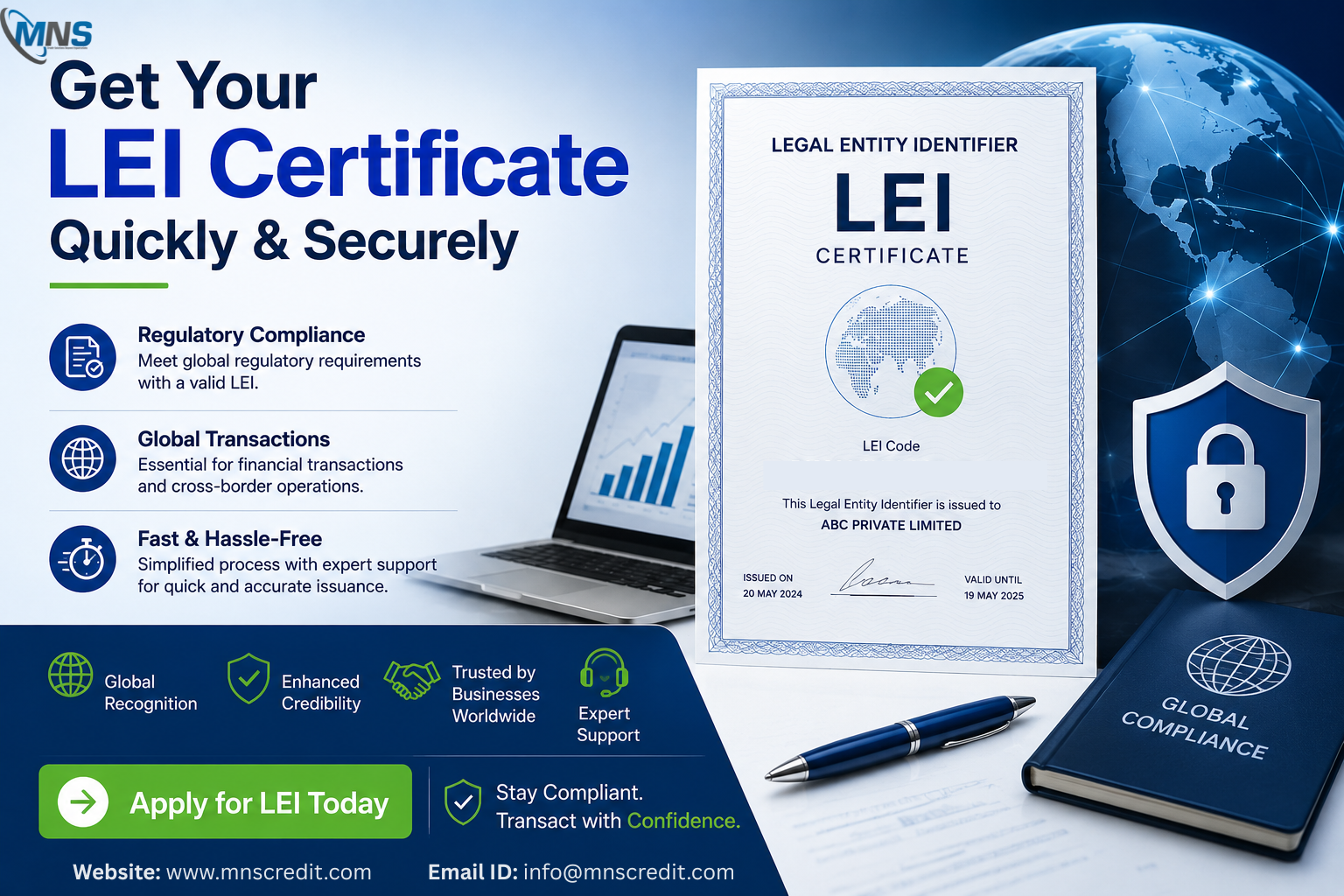
A Legal Entity Identifier (LEI) helps financial institutions and businesses identify legal entities consistently across financial markets. However, obtaining an LEI is not a one-time task. Organizations must regularly maintain and renew their LEI to keep the associated entity information accurate and current.
LEI Renewal is the annual process through which an LEI record is reviewed and its reference data is revalidated. This process is important for banks, NBFCs, fintech companies, lenders, insurers, enterprises, and other organizations involved in regulated financial activities.
For businesses, timely LEI renewal is not simply an administrative requirement. It can support regulatory compliance, accurate transaction processing, counterparty identification, data quality, and financial risk management.
What Is LEI Renewal?
LEI Renewal is the process of revalidating the information associated with an existing Legal Entity Identifier. Under the Global LEI System, renewal is required one year after initial registration and annually thereafter. The renewal process allows the managing LEI issuer to review the legal entity's reference data against authoritative sources.
An LEI record may contain information such as:
- Legal entity name
- Registered address
- Legal jurisdiction
- Registration details
- Entity status
- LEI status
- Next renewal date
The purpose of annual renewal is to help ensure that information associated with an LEI remains reliable and up to date.
Why Is LEI Renewal Important?
Maintaining Accurate Entity Information
Businesses can change their legal name, registered address, ownership structure, or corporate status over time. Renewal provides an opportunity to review and update relevant information.
GLEIF states that the annual renewal process ensures that the legal entity and LEI issuer review and revalidate the legal entity reference data at least once a year.
Supporting Regulatory Compliance
Certain financial transactions and regulatory frameworks require eligible entities to maintain an active LEI.
For financial institutions, using an outdated or lapsed identifier can create additional compliance and operational concerns. The exact requirement depends on the applicable regulation, jurisdiction, transaction type, and entity category.
Improving Counterparty Risk Management
An LEI does not provide a credit rating or determine whether a company is financially healthy. Instead, it helps establish which legal entity is involved.
This distinction is important for risk teams. A lender can use a current LEI alongside financial statements, credit reports, ownership information, payment history, and exposure data to develop a clearer counterparty profile.
What Happens If an LEI Is Not Renewed?
An LEI that is not renewed by its applicable renewal date can become LAPSED after the relevant renewal period or grace arrangements. GLEIF's rules specify that a lapsed record can subsequently be renewed and returned to an issued status.
A lapsed LEI does not mean that the underlying company has ceased to exist. Rather, it indicates that the LEI registration has not been renewed within the required timeframe.
For businesses participating in transactions where an active LEI is required, allowing the identifier to lapse can create avoidable delays or additional verification work.
How Does LEI Renewal Work?
The process is generally straightforward when the entity's information is current.
Step 1: Check the Next Renewal Date
Businesses should first identify the Next Renewal Date associated with their LEI record.
This date indicates when the next validation is due.
Step 2: Review Company Information
Review the information associated with the LEI and identify any changes.
Check details such as:
- Legal name
- Registered address
- Legal structure
- Registration information
- Corporate changes
Step 3: Submit Renewal Request
The legal entity initiates renewal through its managing LEI issuer or an authorized registration service provider. GLEIF maintains a directory of LEI issuers that provide registration and renewal services.
Step 4: Verification
The LEI issuer validates the relevant reference information against authoritative sources.
If information has changed, the business should ensure that the updated details are properly reflected and validated.
Step 5: Renewal Confirmation
Once the renewal and validation process is completed, the LEI record remains active and receives a new renewal cycle.
What Documents Are Needed for LEI Renewal?
The exact requirements can vary depending on the legal entity, jurisdiction, and service provider.
Businesses should generally have accurate corporate information available, including:
- Legal entity name
- Registration number
- Registered address
- Corporate registration details
- Information regarding relevant corporate changes
- Authorized representative information where required
The key objective is to ensure that the information connected with the LEI can be accurately validated.
LEI Renewal for Banks and NBFCs
For banks and NBFCs, maintaining accurate legal-entity identifiers can support transaction processing, customer records, regulatory reporting, and counterparty risk management.
For example, a financial institution may have multiple corporate borrowers and counterparties. If entity information changes but internal records are not updated, identifying the correct legal entity across different systems can become more difficult.
An active and current LEI can serve as one standardized identifier within these workflows.
LEI Renewal for Fintech Companies
Fintech businesses often rely on automated onboarding, risk assessment, and transaction processing.
Maintaining current LEI data can support:
- Business verification
- Entity matching
- Risk analytics
- Regulatory reporting
- Customer data management
- Counterparty monitoring
For fintech platforms working with large numbers of businesses, automated checks of LEI status and renewal dates can help reduce manual monitoring.
LEI Renewal and Data Quality
One of the most important benefits of renewal is data quality.
The Global LEI System is designed around regularly revalidated legal-entity reference information. GLEIF's Q2 2026 report highlights annual renewal as a mechanism for keeping entity data accurate and usable.
This makes LEI renewal relevant not only to compliance teams but also to data governance, risk, operations, and financial reporting teams.
Best Practices for Managing LEI Renewal
Businesses can avoid unnecessary disruption by adopting a structured renewal process.
Maintain a Renewal Calendar
Record the renewal date for every LEI held by the organization.
Monitor Corporate Changes
Update the relevant LEI information when legal or corporate details change rather than waiting for the next renewal.
Assign Internal Ownership
Compliance, finance, legal, or corporate-secretarial teams should have clear responsibility for LEI maintenance.
Check LEI Status Regularly
Organizations with multiple LEIs should periodically verify whether their records remain active and current.
Use Authorized Providers
Businesses should work with an LEI issuer or service provider that is authorized within the Global LEI System.
How MNS Credit Management Group Can Help
MNS Credit Management Group provides LEI Registration and LEI Renewal services to support businesses with legal-entity identification and related financial compliance requirements.
MNS also offers MCA Master Data, Business Information Reports, Due Diligence Reports, Credit Opinion Reports, Supplier Verification, Debt Collection, and Accounts Receivable Management.
For organizations managing multiple counterparties, combining LEI information with corporate, financial, and credit intelligence can provide a more comprehensive foundation for risk assessment and business decision-making.
Conclusion
LEI Renewal is an important part of maintaining an accurate and active Legal Entity Identifier. Annual renewal allows legal-entity information to be reviewed and revalidated, helping support data quality, counterparty identification, regulatory processes, and financial operations.
Businesses should not wait until an LEI becomes lapsed. Maintaining a renewal calendar, monitoring corporate changes, reviewing entity information, and completing renewal on time can help reduce operational disruption.
For banks, NBFCs, fintech companies, lenders, insurers, and enterprises, treating LEI maintenance as part of broader data governance and compliance management can strengthen the quality of financial information and support more efficient decision-making.
FAQs About LEI Renewal
How often does an LEI need to be renewed?
An LEI generally needs to be renewed annually. The next renewal date is recorded within the LEI record and indicates when the next validation is due.
What happens if an LEI expires?
If an LEI is not renewed within the required timeframe, its registration status can become LAPSED. A lapsed LEI can subsequently be renewed and returned to an issued status.
Can LEI information be updated during renewal?
Yes. If legal-entity reference information has changed, the relevant information should be updated and validated as part of the renewal process.
Who can renew an LEI?
The legal entity initiates the renewal through its managing LEI issuer or an authorized LEI registration service provider. GLEIF provides a directory of LEI issuers.
Is LEI Renewal the same as getting a new LEI?
No. Renewal maintains and revalidates an existing LEI record. A new LEI registration is a separate process used when an eligible legal entity does not already have an appropriate LEI.

 English
 Arabic
 French
 Spanish
 Portuguese
 Deutsch
 Turkish
 Dutch
Dutch
 Italiano
 Russian
 Romaian
 Greek
Greek
