
What Makes Purified Water a Practical Choice for Modern Homes
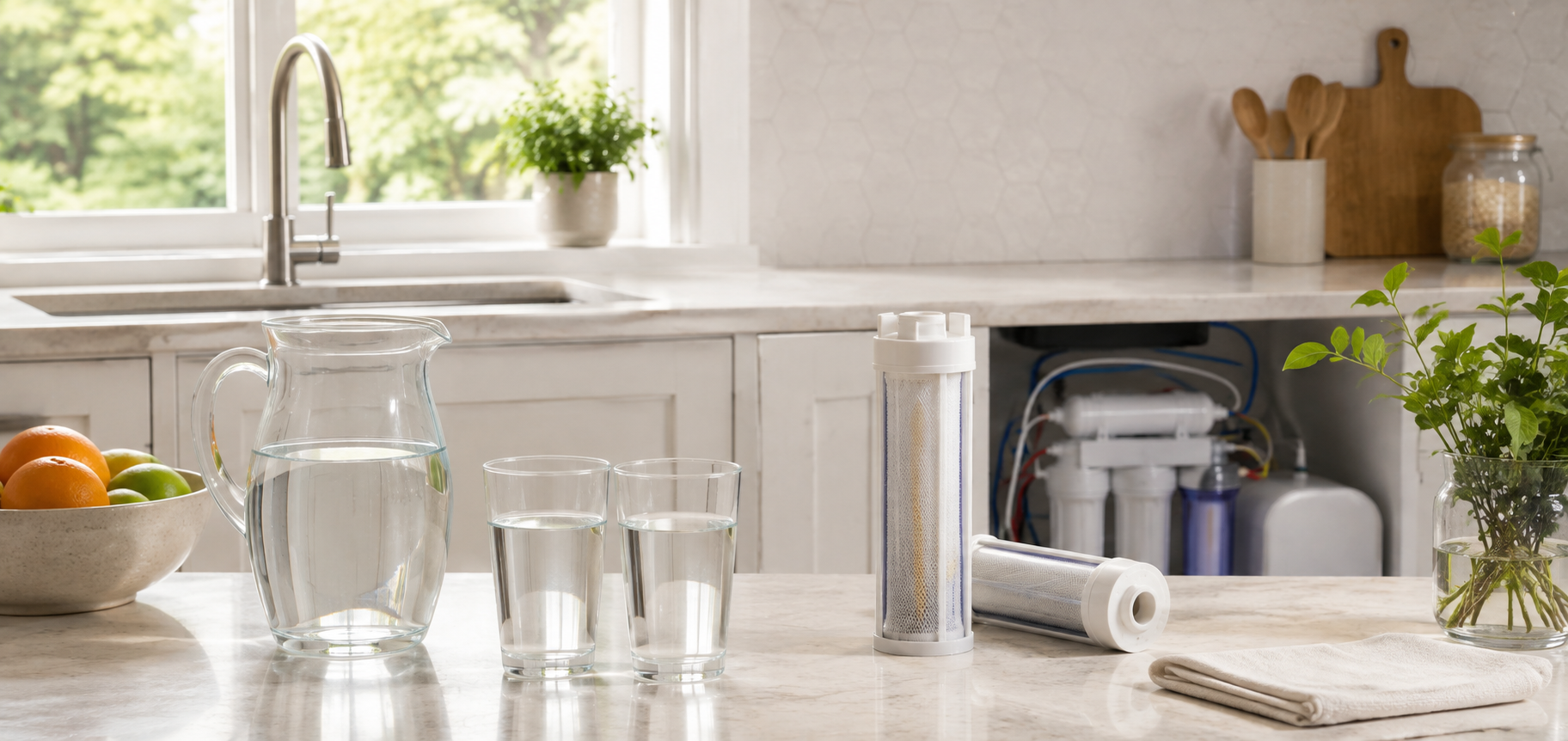
The quality of the water running through your home faucets is a fundamental component of your health and overall well being. In recent years, homeowners have become increasingly aware of the various contaminants that can find their way into municipal water supplies or private wells. From heavy metals to chlorine byproducts and unseen microscopic pollutants, the search for a truly pure hydration source has led many families to investigate advanced filtration technology. Among the most popular and effective solutions available is the reverse osmosis system.
Reverse osmosis filtration stands out as a sophisticated process that goes far beyond standard pitcher filters or basic carbon blocks. It is designed to create a barrier that keeps undesirable elements out of your glass while allowing water molecules to pass through for consumption. Many people wonder if this level of purity is not only safe but also optimal for daily long term health. The answer lies in understanding exactly how the technology functions and how it interacts with the water chemistry of your household.
Reverse osmosis technology stands out as one of the most effective methods for water purification available today. Homeowners are increasingly turning to this filtration solution to gain peace of mind regarding their daily intake. Understanding the benefits of reverse osmosis water is essential for anyone considering a home filtration upgrade, as it directly impacts health and well being by providing a consistent supply of purified hydration at the kitchen tap. This process is highly regarded because it removes a vast spectrum of impurities that other filtration methods often miss, ensuring that the water you use for drinking, cooking, and making coffee or tea is of the highest quality.
How Reverse Osmosis Technology Functions
To appreciate why this system is considered safe and effective, it helps to visualize the physical process occurring within the unit. The core of any reverse osmosis system is a semipermeable membrane that acts like a microscopic sieve. This membrane contains pores that are extremely small, often measured in angstroms, which are significantly smaller than the molecules of many common water contaminants.
The system works by applying pressure to the incoming water supply, forcing it through this dense membrane. While water molecules are small enough to navigate through the microscopic openings, larger particles, dissolved solids, heavy metals, and chemical compounds are trapped and redirected to a drain line. This process is known as cross filtration because the water flowing across the membrane surface continuously cleans it, preventing the buildup of debris that could otherwise clog the system. By the time the water passes through the membrane and into the storage tank, it has undergone a rigorous cleansing process that ensures what remains is clean and refreshing.
The Science Behind Contaminant Removal
The safety of reverse osmosis water is rooted in its ability to effectively reduce a comprehensive list of potential hazards. Municipal water treatment facilities generally do an admirable job of processing water to meet basic regulatory standards, but the water often travels through miles of aging infrastructure before reaching your home. This journey can expose water to lead from old pipes, rust, sediment, or residual chlorine used during the treatment process.
Reverse osmosis systems are engineered to address these specific concerns. The multi stage process usually involves a sediment filter to catch large particles, followed by an activated carbon block to remove chlorine and organic compounds that affect taste and odor. Finally, the reverse osmosis membrane tackles the heavy lifting by removing dissolved solids like lead, arsenic, fluoride, nitrates, and even certain viruses or bacteria. When you utilize a system from a trusted provider like you are ensuring that your water filtration setup is optimized to handle the specific water quality challenges prevalent in your region.
Addressing Common Concerns About Mineral Content
A frequent question regarding the safety of reverse osmosis water concerns the removal of essential minerals. It is true that the reverse osmosis process is incredibly efficient, and in its quest to remove impurities, it also reduces the concentration of dissolved minerals like calcium and magnesium. Some critics argue that these minerals are necessary for human health, leading to a debate about whether RO water is considered demineralized.
However, it is important to place this into a proper nutritional context. The human body obtains the vast majority of its required minerals from a balanced diet rather than from drinking tap water. While water does contribute to mineral intake, the amounts found in standard municipal tap water are often negligible compared to what you receive from consuming fruits, vegetables, grains, and dairy products. For those who are concerned about mineral intake, many modern reverse osmosis systems can be equipped with a remineralization stage. This final phase passes the purified water through a specialized cartridge that adds a healthy balance of minerals back into the stream, providing the best of both worlds by ensuring purity while maintaining the crisp mineral taste that many people prefer.
Comparing RO Systems to Traditional Filtration
When evaluating water purification options, homeowners often compare reverse osmosis to standard carbon filtration or pitcher systems. While a basic carbon filter is better than nothing, it has limited capabilities. These filters are primarily designed to improve taste and remove chlorine odors, but they generally fail to address dissolved solids, heavy metals, or microscopic contaminants. They become saturated relatively quickly and require very frequent replacement to avoid the risk of bacteria growth within the filter media itself.
Reverse osmosis offers a much higher level of protection. Because it utilizes a membrane and a multi stage design, it provides a deeper clean that lasts longer. The consistent quality of the water is maintained because the system does not simply trap contaminants and let them sit in the filter, but rather flushes them away. Investing in a high quality system ensures that your home water supply remains consistent regardless of changes in the local water source quality.
The Economic and Environmental Advantages
Beyond the health and safety aspects, choosing reverse osmosis water provides significant economic and environmental benefits for the modern household. Many families turn to bottled water because they are dissatisfied with the quality or taste of their tap water. This habit is both expensive and damaging to the environment. The cost of purchasing bottled water on a weekly basis adds up to a substantial amount over the course of a year.
By installing a reverse osmosis system, you effectively bring a bottled water quality plant directly into your kitchen. You eliminate the need for single use plastic bottles, which helps reduce your household contribution to landfill waste. Furthermore, you gain the convenience of having high quality water on demand without needing to haul heavy cases of plastic bottles from the store to your home. This change is not only easier on your budget but also aligns with sustainable living practices that protect the planet while enhancing your personal lifestyle.
Selecting the Right RO System for Your Home
Choosing the correct reverse osmosis system requires an assessment of your specific water quality needs and your household consumption habits. Not all filtration units are created equal. Some systems are designed for high efficiency with less water waste, while others may offer specialized features like leak detection or smart indicators that alert you when it is time to change your filters.
It is advisable to consult with experts who understand the water chemistry of your specific area. Water hardness, pH levels, and specific local contaminants vary significantly from one municipality to another. Working with a company like Rayne Water allows you to benefit from local expertise. They can test your water to determine exactly what needs to be removed and recommend a system that is perfectly sized for your family needs. This customized approach ensures that you are not overspending on features you do not need while also guaranteeing that you are not under protected.
Professional Installation and Ongoing Maintenance
A common mistake homeowners make is assuming that a water filtration system is a set and forget appliance. While these systems are robust and designed for longevity, they require regular maintenance to remain safe and effective. The filters and the membrane need to be serviced according to a specific schedule to ensure the system continues to produce water of the highest purity.
Professional installation is highly recommended to prevent leaks, ensure proper pressure, and verify that the system is correctly integrated with your existing plumbing. When you rely on professional services, you also benefit from scheduled maintenance reminders and expert care. Technicians can inspect the system for any signs of wear, test the water quality to ensure the membrane is still performing optimally, and replace components before they fail. This proactive approach is the most reliable way to guarantee that the water you and your family consume remains safe, clean, and delicious every single day.
The Rayne Water Difference
When you choose to improve your home water quality, the reputation and experience of the provider are just as important as the equipment itself. Rayne Water has built a long standing reputation for excellence in the water treatment industry. They provide a comprehensive suite of services that goes beyond just selling equipment. Their philosophy centers on helping homeowners understand their water, identify potential issues, and implement solutions that last for years.
The team at understands the importance of local water profiles. They offer a range of solutions that include water softening, reverse osmosis, and specialized filtration to handle unique contaminants. By choosing a partner with a commitment to quality and service, you ensure that your investment in your health is supported by expert knowledge. They are dedicated to providing clear information, honest advice, and professional support that makes the entire process of upgrading your home water simple and stress free.
Frequently Asked Questions
What is the main difference between filtered water and reverse osmosis water?
Filtered water generally refers to basic carbon or sediment filtration that removes chlorine and improves taste. Reverse osmosis goes significantly further by using a semipermeable membrane to remove dissolved solids, heavy metals, arsenic, and nitrates, providing a much higher level of purity.
Will reverse osmosis water taste different from standard tap water?
Yes, most people find that reverse osmosis water tastes cleaner, crisper, and more refreshing than tap water. This is because the process removes the chlorine and metallic tastes often associated with municipal water supplies.
How often does an reverse osmosis system need to be serviced?
The frequency depends on your water usage and the quality of your source water. Typically, pre filters and post filters should be changed every six to twelve months, while the reverse osmosis membrane itself often lasts two to three years. A professional service from experts like Rayne Water can set up a maintenance schedule tailored to your home.
Is reverse osmosis water better for coffee and tea?
Many baristas and tea enthusiasts prefer reverse osmosis water because the lack of impurities and minerals allows the true flavors of the coffee beans or tea leaves to shine through. The absence of chlorine prevents the metallic or chemical off notes that can ruin a perfectly brewed cup.
Can I install a reverse osmosis system myself?
While some homeowners attempt DIY installation, it is generally recommended to have a professional install the system. Proper installation ensures that the tubing is secure, the pressure is optimized, and all seals are watertight, which prevents the risk of leaks and ensures the system operates at maximum efficiency.
Closing Thoughts
The decision to invest in a reverse osmosis system is a proactive step toward ensuring that your household has access to clean, safe, and high quality water. By removing a vast range of contaminants, from microscopic particles to heavy metals, these systems provide a level of clarity and purity that basic filtration simply cannot match. While the process may seem complex, the result is a straightforward improvement in your daily quality of life, ranging from better tasting beverages to the peace of mind that comes with knowing what is in your water.

 English
 Arabic
 French
 Spanish
 Portuguese
 Deutsch
 Dutch
Dutch
 Italiano
 Russian
 Romaian
 Portuguese (Brazil)
 Greek
Greek
