
Dental Aligners: Guide to Clear Teeth Straightening
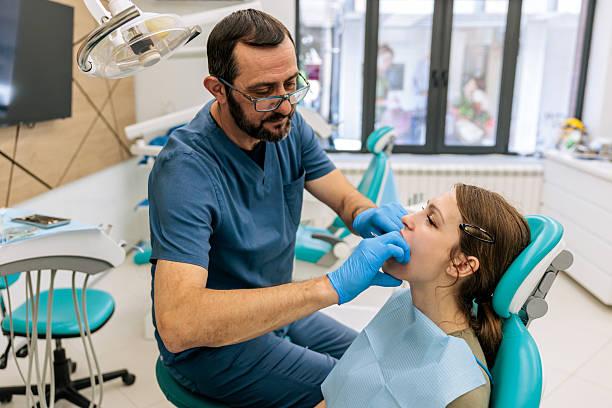
Clear orthodontic treatment can help suitable patients improve certain tooth alignment concerns without relying on traditional visible braces. Patients considering Dental Aligners in Dubai can benefit from understanding the treatment process, possible advantages, daily care, and the role of professional dental supervision.
What Are Clear Dental Aligners?
Dental aligners are transparent, removable trays designed to gradually guide teeth toward planned positions. Each tray forms part of a customized series created according to the patient's dental structure and treatment goals.
Their discreet appearance makes them an appealing option for patients seeking a less noticeable approach to teeth straightening.
How Does Clear Teeth Straightening Work?
Aligners apply controlled pressure to selected teeth. Patients progress through a series of trays, with each stage designed to continue the planned movement.
The treatment sequence is determined during the initial assessment and may vary depending on the complexity of the alignment concern.
Initial Dental Assessment
A dental professional examines the teeth, gums, bite, and overall oral health. Digital scans, photographs, and other diagnostic information may be used to create a customized treatment plan.
Customized Aligner Series
Each aligner is designed for a specific stage of treatment. Patients follow the recommended schedule to move gradually through the series.
Dental Clinic for Clear Aligner Treatment
A Dental Clinic can assess whether clear aligners are appropriate for a patient's specific alignment concerns. Professional evaluation is essential because different dental conditions may require different orthodontic approaches.
Regular appointments can help monitor progress and ensure the treatment remains appropriately managed.
What Problems Can Clear Aligners Address?
Depending on the case, aligners may help manage certain types of crowding, spacing, and tooth alignment problems. Some bite concerns may also be addressed when the condition is suitable for aligner therapy.
A professional assessment is necessary to determine whether the treatment can achieve the desired movement.
Benefits of Clear Teeth Straightening
Clear aligners are designed to be discreet and removable. Patients can generally take them out for meals and routine oral hygiene, which may make them convenient for everyday life.
Their transparent design can also provide a less noticeable alternative to traditional fixed braces.
What Should Patients Expect?
Some patients experience pressure or mild temporary discomfort when beginning a new aligner stage. This can occur as the teeth respond to the planned movement.
Patients should contact their dental professional if they experience significant or persistent discomfort.
How Should Aligners Be Cleaned?
Aligners should be cleaned according to professional instructions. Proper maintenance helps keep the trays in good condition and supports oral hygiene throughout treatment.
When removed, they should be stored safely in their protective case.
Eating During Aligner Treatment
Patients generally remove their aligners before eating unless their dental professional provides different instructions. Teeth should be cleaned before the aligners are placed back in.
Following the recommended wear routine is important for maintaining treatment progress.
Oral Hygiene During Teeth Straightening
Good oral hygiene remains essential while wearing aligners. Brushing twice daily with fluoride toothpaste and cleaning between the teeth can help control plaque.
Regular professional examinations can also help monitor the health of the teeth and gums during orthodontic treatment.
How Long Does Clear Aligner Treatment Take?
Treatment duration varies according to the patient's dental condition and treatment objectives. The complexity of tooth movement, aligner wear, and individual response can influence the timeline.
A personalized estimate can be provided after professional assessment.
Who May Be Suitable for Clear Aligners?
Patients with certain forms of crowding, spacing, or alignment concerns may be suitable. However, more complicated orthodontic problems may require other treatment methods.
A dentist or orthodontic professional should evaluate the teeth and bite before treatment begins.
Importance of Following the Treatment Plan
Patients should wear their aligners according to the prescribed schedule and change them only as directed. Consistent use can help keep the planned tooth movements progressing.
Follow-up appointments are also important for monitoring treatment.
What Happens After Treatment?
Retainers may be recommended once the active aligner treatment is complete. They help maintain the new tooth positions and reduce unwanted movement over time.
Patients should follow their provider's instructions regarding retainer use.
Choosing Professional Aligner Care
Patients should select a qualified dental provider who offers proper assessment, customized planning, progress monitoring, and post-treatment guidance.
Understanding the complete process before beginning can help patients develop realistic expectations.
Maintaining a Straighter Smile
Clear aligners can provide a discreet approach to improving suitable tooth alignment concerns when professionally planned and monitored. Good oral hygiene, consistent wear, regular appointments, and proper retention can all support long-term results.
For patients considering Dental Aligners, professional evaluation can help determine whether clear teeth straightening is an appropriate option for achieving a more aligned and confident smile.

 English
 Arabic
 French
 Spanish
 Portuguese
 Deutsch
 Turkish
 Dutch
Dutch
 Russian
 Romaian
 Portuguese (Brazil)
 Greek
Greek
