
Mounjaro Injection in Islamabad: A Patient-Friendly Guide to the Treatment Process
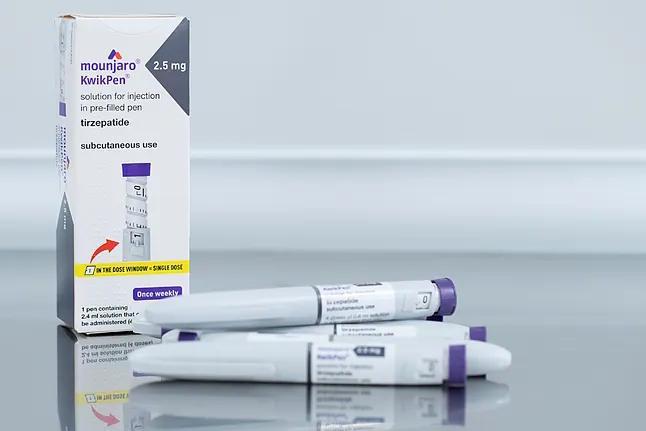
For people exploring medical options for type 2 diabetes management, Mounjaro has become an increasingly discussed treatment. Understanding how the medication works, how it is administered, and what to expect can make the process less confusing. Mounjaro Injection in Islamabad should always be considered under the guidance of a qualified healthcare professional who can assess your health, medications, and treatment goals.
What Is Mounjaro Injection?
Mounjaro is the brand name for tirzepatide, a prescription medicine that acts on GIP and GLP-1 receptors. It is used along with diet and exercise to improve blood sugar control in adults and children aged 10 years and older with type 2 diabetes.
Because tirzepatide can affect appetite, digestion, and blood glucose regulation, patients should not start or adjust the medication without medical supervision. Your healthcare provider can determine whether it is appropriate based on your individual circumstances.
The First Step: Medical Assessment
The treatment process generally begins with a consultation. During this appointment, your healthcare provider may review your medical history, current medicines, blood sugar levels, allergies, and other relevant health information.
It is particularly important to discuss pregnancy or plans for pregnancy, breastfeeding, digestive problems, pancreatic conditions, diabetes medications, and any history of diabetic eye disease.
Your provider should also know if you or a family member has had medullary thyroid carcinoma or if you have Multiple Endocrine Neoplasia syndrome type 2, as Mounjaro is contraindicated in these circumstances.
Starting the Treatment
Mounjaro is generally introduced gradually to help the body adjust. The recommended starting dose is 2.5 mg once weekly. After four weeks, the dose is typically increased to 5 mg once weekly, while further increases may be considered by the healthcare provider when clinically appropriate.
The dose should never be increased simply because a patient wants faster results. Gradual adjustment can help reduce the likelihood of gastrointestinal side effects.
How Is the Injection Given?
Mounjaro is administered as a subcutaneous injection, meaning it is injected under the skin rather than into a muscle or vein. Common injection areas include the abdomen and thigh, while another person can administer the injection into the back of the upper arm. Injection sites should be rotated regularly.
The medication is taken once weekly and can generally be administered at any time of day, with or without food. Patients should follow the instructions supplied with their specific pen and the directions provided by their healthcare professional.
What Can Patients Expect After an Injection?
Everyone responds differently. Some patients may experience gastrointestinal symptoms, particularly when the dose is being increased. Common side effects include nausea, diarrhea, decreased appetite, vomiting, constipation, indigestion, and stomach discomfort. These symptoms may decrease over time for some people.
Staying adequately hydrated can be important, particularly if vomiting or diarrhea occurs. Severe or persistent stomach symptoms should be discussed promptly with a healthcare professional.
Mounjaro can also cause low blood sugar when used with certain medicines such as insulin or insulin secretagogues, so patients taking these medications may require closer monitoring.
Maintaining the Treatment Routine
Consistency is an important part of a once-weekly treatment plan. Patients should follow the prescribed schedule rather than changing doses independently.
If a dose is missed, the current prescribing information states that it can be taken within four days (96 hours). If more than four days have passed, the missed dose should be skipped and the next dose taken on the regular schedule. Two doses should not be taken within three days of each other.
Regular follow-up appointments allow the healthcare provider to assess tolerance, blood glucose control, side effects, and whether the treatment plan needs adjustment.
Important Safety Considerations
Mounjaro is not suitable for everyone. Serious allergic reactions, pancreatitis, severe gastrointestinal reactions, and other complications are among the safety concerns described in the prescribing information.
Patients should seek medical advice if they develop severe or persistent symptoms rather than stopping or changing treatment without professional guidance.
Frequently Asked Questions
Is Mounjaro taken every day?
No. Mounjaro is designed to be administered once weekly, according to the prescribed treatment plan.
Can I inject Mounjaro myself?
Some patients may self-inject when their healthcare provider determines that it is appropriate and provides proper instructions on using the pen.
Does Mounjaro cause nausea?
Nausea is one of the commonly reported side effects. Gastrointestinal symptoms can be more noticeable during dose increases and may decrease over time for some patients.
Can I change my Mounjaro dose myself?
No. Dose changes should be made according to your healthcare provider's instructions. Increasing the dose without medical guidance may increase the risk of side effects.
What should I do if I miss a dose?
According to the prescribing information, a missed dose may be taken within four days. If more than four days have passed, skip it and take the next dose on your normal schedule.
Final Thoughts
Understanding each stage of treatment can help patients approach Mounjaro with realistic expectations and greater confidence. From the initial medical assessment to weekly injections and follow-up monitoring, every step should be guided by an appropriate healthcare professional. If you are considering Mounjaro Injection in Islamabad, discuss your medical history, current medications, and treatment goals with a qualified provider before starting therapy.

 English
 Arabic
 French
 Portuguese
 Deutsch
 Turkish
 Dutch
Dutch
 Italiano
 Russian
 Romaian
 Portuguese (Brazil)
 Greek
Greek
