
How Physical Therapy Gainesville GA Helps Restore Everyday Strength
The Importance of Regaining Physical Function
Physical ability influences how people work, move, exercise, and participate in daily life. A sudden injury, surgery, sports-related problem, or physical limitation can interrupt normal routines and make simple activities more difficult. Tasks that once felt natural, such as walking, bending, lifting, or reaching, may require additional effort.
Recovering physical abilities often requires a planned approach rather than simply waiting for improvement. Rehabilitation focuses on helping individuals rebuild strength, improve mobility, develop better movement habits, and regain confidence. With structured guidance, patients can work toward returning to the activities that are most important to them.
Exploring Physical Therapy Gainesville GA
People researching Physical Therapy Gainesville GA can explore rehabilitation services designed to improve movement, enhance physical performance, and support recovery from various conditions. Treatment may involve therapeutic exercises, mobility training, strengthening programs, balance activities, flexibility techniques, and functional movement exercises. Each rehabilitation plan can be customized according to an individual's needs, activity level, and personal goals.
The Value of a Detailed Physical Evaluation
A successful recovery plan begins with understanding the individual's current abilities and challenges. Every person experiences physical limitations differently, even when dealing with similar conditions.
A physical therapist may evaluate movement patterns, joint mobility, muscle strength, flexibility, balance, posture, coordination, and endurance. This information helps identify areas that need attention and creates a foundation for developing an effective rehabilitation strategy.
Improving Movement Efficiency
After an injury or physical setback, people often change the way they move. They may avoid certain motions, reduce activity, or rely on other areas of the body to compensate.
These changes can affect overall movement quality. Physical therapy can help individuals practice controlled and efficient movement patterns through guided exercises. Improving movement coordination can make daily activities easier and more comfortable.
Building Strength for Daily Activities
Strength is essential for maintaining independence. The ability to stand, walk, carry objects, climb stairs, and maintain posture depends on strong and coordinated muscles.
A rehabilitation program can include progressive strengthening exercises designed around the individual's current condition. As strength improves, exercises can advance to better prepare the body for everyday and recreational demands.
Enhancing Flexibility and Joint Mobility
Limited flexibility can restrict how easily the body moves. Stiffness in muscles or joints may affect activities such as reaching, bending, turning, or exercising.
Therapy may incorporate stretching and mobility techniques to encourage better movement. Improving flexibility can support more comfortable motion and allow individuals to perform tasks with greater ease.
Developing Balance and Body Control
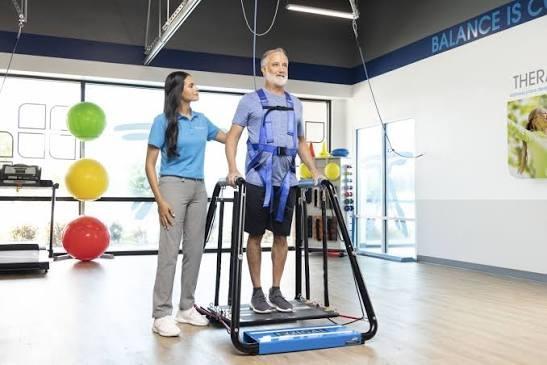
Balance is a key part of safe movement. It allows individuals to maintain stability while walking, changing positions, stepping over obstacles, and performing daily activities.
Physical therapy may include balance training that challenges the body in controlled ways. These exercises can improve coordination, body awareness, and confidence during movement.
Supporting Recovery From Different Injuries
Physical injuries can affect strength, mobility, and confidence. Whether the issue comes from an accident, sports activity, overuse, or another cause, proper rehabilitation can help restore function.
Therapy focuses on gradual progress. Exercises can be adjusted as the individual improves, allowing the body to rebuild physical capacity at an appropriate pace.
Helping Athletes Return to Performance
Athletes often require specific rehabilitation goals because sports demand advanced physical abilities. Strength, agility, endurance, flexibility, and coordination all contribute to athletic performance.
Physical therapy can help athletes prepare for a safe return to their activities. Treatment may include exercises that gradually become more similar to the movements required in their sport.
Supporting Post-Surgical Rehabilitation
Surgery can temporarily affect movement and strength. Rehabilitation after a procedure can help individuals regain physical abilities while following appropriate recovery guidelines.
A therapist can provide structured exercises that support mobility, strength development, and functional improvement. Progress can be adjusted according to healing and individual goals.
Preparing for Work and Lifestyle Demands
Everyone places different demands on their body. Some individuals need to sit for long periods, while others perform physically demanding tasks involving lifting, carrying, or repeated movements.
Physical therapy can include functional exercises that relate to specific lifestyle needs. Preparing the body for real-world demands can help individuals return to work and daily responsibilities more effectively.
Learning Proper Movement Techniques
Education is an important part of rehabilitation. Patients may learn about posture, exercise form, lifting techniques, and ways to manage physical activities.
Understanding proper movement strategies can help individuals protect their progress and make better decisions about exercise and daily tasks.
Using Home Exercises for Continued Improvement
Many rehabilitation programs include exercises that patients can complete independently. A home routine may include strengthening, stretching, mobility, or balance exercises.
Regular practice can support improvements made during therapy sessions. Consistency allows individuals to continue developing their physical abilities and maintain progress.
Measuring Recovery Through Real-Life Improvements
Recovery is not only about completing exercises. Meaningful progress often appears when individuals can return to activities they value.
Improvements may include walking longer distances, performing household tasks more easily, returning to hobbies, or participating in exercise again. These achievements help demonstrate how rehabilitation is improving daily function.
Creating a Long-Term Approach to Physical Health
Physical therapy can provide skills that extend beyond the recovery period. Learning how to exercise properly, maintain mobility, and manage physical demands can support long-term wellness.
Continuing appropriate movement after rehabilitation can help individuals preserve strength, flexibility, and overall physical ability.
Selecting Personalized Rehabilitation Services
When considering Physical Therapy Gainesville GA, individuals may benefit from a treatment approach that focuses on their unique circumstances. Recovery goals, lifestyle requirements, and physical challenges can vary significantly from person to person.
A personalized rehabilitation plan allows treatment to evolve as abilities improve. Whether the goal is returning to work, recovering from injury, improving mobility, or becoming more active, individualized care can provide valuable support.
Conclusion
Physical therapy offers a structured way to improve movement, rebuild strength, and restore confidence after physical challenges. Through customized evaluations, therapeutic exercises, functional training, and ongoing guidance, individuals can work toward better physical performance and improved daily function. For those seeking Physical Therapy Gainesville GA, personalized rehabilitation can help create a pathway toward a healthier and more active lifestyle.

 English
 Arabic
 French
 Spanish
 Portuguese
 Deutsch
 Dutch
Dutch
 Italiano
 Russian
 Romaian
 Portuguese (Brazil)
 Greek
Greek
