
Physical Therapy San Ramon: A Modern Approach to Recovery and Wellness
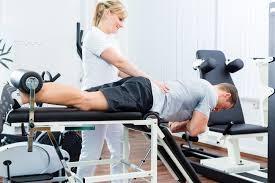
Understanding How Physical Therapy Supports Better Living
Maintaining physical abilities is essential for enjoying a productive and independent lifestyle. Everyday activities such as walking through a neighborhood, completing work responsibilities, participating in exercise, or enjoying recreational hobbies require the body to function with proper strength, coordination, and mobility. When an injury, health condition, surgery, or physical limitation affects movement, professional rehabilitation can help individuals regain confidence and improve performance.
Physical therapy focuses on identifying movement challenges and creating strategies to address them. Through guided exercises, functional activities, and movement education, rehabilitation can support improvements in flexibility, strength, balance, endurance, and overall physical control. Each program can be adjusted according to a person's current abilities and future goals.
Why Individualized Rehabilitation Matters
Every person experiences physical challenges differently. A young athlete recovering from a sports-related injury may have performance-based goals, while an older adult may want to improve balance and maintain independence. Similarly, someone recovering after surgery may need a carefully planned progression to rebuild daily function.
A personalized evaluation helps determine the areas that require attention. Physical therapists may examine movement patterns, muscle strength, joint mobility, posture, balance, coordination, and activity tolerance. Understanding these factors allows rehabilitation plans to focus on practical outcomes rather than general exercises that may not match individual needs.
Exploring Physical Therapy San Ramon
Individuals searching for Physical Therapy San Ramon can find rehabilitation solutions focused on helping people improve movement, recover from injuries, and achieve functional goals. Treatment approaches may include therapeutic exercises, strengthening programs, mobility training, balance activities, flexibility techniques, and functional movement exercises. A customized therapy plan can help address each person's unique challenges while supporting their return to work, exercise, sports, and daily activities.
Improving Movement After an Injury
Injuries can affect the way the body moves and performs daily tasks. Even after pain decreases, individuals may still experience weakness, limited flexibility, reduced confidence, or difficulty performing certain movements.
Physical therapy can help address these concerns by introducing controlled exercises that rebuild physical abilities. Gradual progression allows individuals to improve strength and coordination while adapting safely to increasing activity demands.
Restoring Flexibility and Joint Function
Healthy movement requires joints and muscles to work together effectively. Stiffness or restricted motion can interfere with activities such as reaching, bending, rotating, and walking.
Rehabilitation may include mobility exercises designed to encourage comfortable movement. By combining flexibility training with strengthening activities, individuals can work toward better movement quality and improved physical control.
Strength Training for Everyday Performance
Strength is necessary for both simple and complex activities. Standing from a seated position, carrying household items, lifting objects, climbing stairs, and maintaining posture throughout the day all require muscular support.
A progressive strengthening program can help individuals gradually rebuild their physical capacity. Exercises can be modified based on current ability and advanced as strength and endurance improve.
Supporting Athletes and Fitness Enthusiasts
Active individuals often require rehabilitation that considers the demands of their preferred activities. Running, cycling, hiking, gym workouts, and recreational sports each require specific movement skills.
Physical therapy can help prepare individuals for these activities by improving strength, stability, coordination, and endurance. A gradual return-to-activity approach can help reduce unnecessary setbacks while rebuilding performance.
Improving Balance and Body Awareness
Balance plays a major role in safe movement. Activities such as walking on uneven surfaces, changing direction, stepping over obstacles, and maintaining stability while reaching all require body awareness.
Therapy may include balance-focused exercises that challenge coordination and control. Improving these skills can help individuals feel more confident during everyday movement.
Functional Training for Real-Life Activities
One of the important aspects of rehabilitation is connecting exercises with real-life needs. A person's goals often involve more than improving isolated muscles or movements.
Functional training may include activities that resemble daily tasks, workplace responsibilities, or recreational demands. This approach helps individuals practice movements that directly relate to their lifestyle.
Supporting Workplace Recovery
Returning to work after an injury may require preparation for specific physical demands. Some jobs require prolonged sitting, while others involve lifting, carrying, standing, or repetitive movement.
A rehabilitation program can consider these requirements and help individuals develop the strength and endurance needed for their responsibilities. Functional exercises may help bridge the gap between therapy and workplace performance.
Developing Long-Term Healthy Habits
Physical therapy is not only about short-term recovery. It can also help individuals learn strategies for maintaining movement and preventing future limitations.
Patients may gain a better understanding of exercise techniques, body mechanics, activity progression, and ways to incorporate movement into their routines. These habits can support long-term physical wellness.
The Role of Consistent Participation
Recovery requires active involvement. Attending therapy sessions, completing recommended exercises, and following professional guidance can all contribute to progress.
Consistency allows the body to gradually adapt to increased physical demands. Small improvements over time can lead to significant changes in mobility, strength, and confidence.
Setting Meaningful Rehabilitation Goals
Clear goals can make the recovery process more focused. Some individuals may want to return to sports, while others may want to perform daily tasks more comfortably or regain independence.
When rehabilitation goals are connected to personal priorities, treatment becomes more meaningful. Progress can be measured by improvements that directly affect quality of life.
Evaluating Progress Through Function
Successful rehabilitation is often reflected through practical improvements. A person may notice they can walk longer distances, complete household activities more easily, return to exercise, or perform work tasks with greater confidence.
These functional improvements provide valuable indicators of recovery and help individuals recognize their progress.
Continuing Movement After Recovery
Maintaining physical activity after rehabilitation can help preserve improvements. Strength exercises, stretching, walking, and other appropriate activities can support continued mobility and overall wellness.
A balanced routine that fits an individual's lifestyle is more likely to become a lasting habit.
Choosing a Rehabilitation Partner
When considering Physical Therapy San Ramon, individuals may benefit from selecting a provider that emphasizes personalized evaluation, functional treatment, progressive exercise, and patient education. A thoughtful rehabilitation approach can help address current challenges while supporting future goals.
Conclusion
Physical therapy offers a comprehensive approach to improving movement, rebuilding strength, and restoring confidence after physical challenges. Through personalized treatment plans, therapeutic exercises, functional activities, and gradual progression, individuals can work toward improved physical abilities. For those exploring Physical Therapy San Ramon, rehabilitation can provide valuable support in returning to the activities that matter most while building a healthier and more active future.

 English
 Arabic
 Spanish
 Portuguese
 Deutsch
 Turkish
 Dutch
Dutch
 Italiano
 Russian
 Romaian
 Portuguese (Brazil)
 Greek
Greek
