
Physical Therapy Merrick NY: Personalized Support for Strength and Mobility
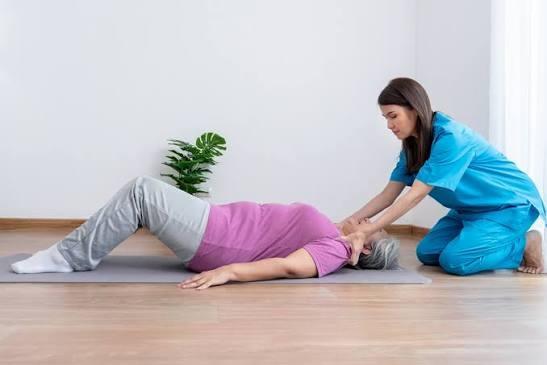
When Everyday Movement Becomes Difficult
Movement is a central part of everyday life. Walking through the neighborhood, completing household chores, working, exercising, or enjoying recreational activities all require the body to coordinate strength, flexibility, balance, and control. An injury or physical limitation can disrupt these abilities and make familiar tasks unexpectedly challenging.
Physical therapy provides an active, structured approach to improving physical function. Rather than treating recovery as simply a period of rest, rehabilitation can use therapeutic exercise, mobility activities, strengthening, flexibility work, balance training, and functional movements. Treatment can be adjusted according to progress, comfort, and individual goals.
Beginning With the Right Rehabilitation Goals
A useful rehabilitation program starts by identifying what the individual wants to accomplish. Someone recovering from an orthopedic problem may want to return to work, while an active adult might be focused on getting back to running, cycling, or recreational sports.
An evaluation can help identify movement limitations and areas of weakness. Depending on the individual's situation, a therapist may assess strength, range of motion, flexibility, balance, coordination, posture, endurance, and functional movement patterns.
Exploring Physical Therapy Merrick NY
People searching for Physical Therapy Merrick NY can explore rehabilitation services designed to help individuals improve movement and physical performance. Depending on specific needs, treatment may involve therapeutic exercises, progressive strengthening, stretching, mobility training, balance activities, coordination exercises, posture education, and functional movement practice. A qualified physical therapist can create an appropriate strategy based on an individual's condition, lifestyle, and goals.
Restoring Mobility and Flexibility
Limited mobility can influence many routine movements. Bending to pick something up, reaching for an object, turning, walking, or getting into a vehicle may become more difficult when muscles and joints are not moving efficiently.
A rehabilitation program may include controlled mobility exercises and appropriate flexibility work. These activities can be combined with strengthening exercises to help support better control and functional movement.
Building Strength for Everyday Tasks
Strength is important for both active lifestyles and daily independence. Carrying groceries, lifting objects, standing from a chair, climbing stairs, and walking longer distances can all require adequate muscular strength.
Progressive resistance exercises can help address areas of weakness. Training can begin with manageable movements and gradually become more demanding as the individual's physical capacity increases.
Supporting a Return to an Active Lifestyle
Individuals researching Physical Therapy Merrick NY may want to resume activities such as running, walking, hiking, swimming, cycling, strength training, or recreational sports. A return to these activities may require preparation beyond simply feeling better.
Rehabilitation can gradually rebuild the physical qualities needed for a preferred activity. Depending on the person's objectives, training may emphasize endurance, strength, flexibility, stability, balance, and coordination.
Developing Better Balance
Balance contributes to stability during walking, standing, stepping, turning, and navigating different surfaces. Good balance is also valuable during many recreational activities.
When appropriate, therapy can incorporate progressively challenging stability exercises. These activities can be modified to match current abilities and become more dynamic as control improves.
Improving Posture and Movement Habits
Work and lifestyle routines can influence how people position and move their bodies. Long periods of sitting, driving, standing, or repetitive lifting can reinforce certain movement patterns.
Physical therapy may include education about posture and body mechanics. Understanding these habits can help individuals become more aware of how they perform daily activities and complement their exercise program.
Connecting Treatment to Daily Life
Functional rehabilitation makes exercises relevant to real-world activities. Instead of focusing only on isolated muscle movements, therapy can include patterns that resemble tasks performed at home, work, or during recreation.
For example, an appropriate program may incorporate walking, lifting, reaching, stepping, carrying, squatting, or moving between sitting and standing. These activities can be modified according to the individual's current abilities.
Supporting Recovery Following an Injury
An injury can temporarily change strength, mobility, endurance, and confidence. People may also become cautious about using certain body parts because they are uncertain about what movements are appropriate.
A gradual rehabilitation approach can help individuals work toward resuming suitable activities. Exercise selection and progression should be based on individual circumstances and professional guidance.
The Role of Home Exercise
Physical therapy can continue outside the clinic through prescribed home activities. Depending on treatment goals, a home program may include strengthening, mobility, stretching, balance, or coordination exercises.
Consistent practice can reinforce skills developed during supervised sessions. Patients should follow their therapist's instructions and discuss unexpected or worsening symptoms with an appropriate healthcare professional.
Maintaining Progress After Formal Therapy
Physical activity can remain valuable after rehabilitation goals are reached. Walking, approved strength exercises, stretching, and recreational movement can help individuals maintain their physical capabilities.
A sustainable routine should be realistic and fit the person's lifestyle. Choosing enjoyable activities can make regular movement easier to maintain.
Choosing a Local Rehabilitation Provider
When considering Physical Therapy Merrick NY, individuals can look for a provider that offers individualized assessments, progressive treatment, functional goals, and clear communication. A comprehensive program may address strength, mobility, flexibility, balance, coordination, and endurance.
It is also helpful to communicate personal priorities. Work responsibilities, exercise habits, recreational interests, and everyday challenges can all influence rehabilitation goals.
Tracking Functional Improvements
Recovery can be measured in many ways beyond discomfort. A person may notice that they can walk farther, climb stairs more easily, lift objects with greater control, maintain balance, or participate in activities that were previously difficult.
For individuals considering Physical Therapy Merrick NY, setting practical milestones can provide a clearer way to evaluate progress. Small improvements can build toward larger functional goals.
Creating Greater Confidence Through Progress
Rehabilitation is often a gradual process. Repeated practice allows individuals to develop strength and movement skills while becoming more comfortable with physical activity.
As capabilities improve, individuals may gain greater confidence in performing everyday tasks. A progressive approach can make recovery feel more manageable by dividing larger objectives into achievable steps.
Conclusion
Physical therapy can provide structured support for people dealing with injury, surgery recovery, stiffness, weakness, mobility limitations, or reduced conditioning. Through personalized assessment, therapeutic exercise, progressive strengthening, mobility work, balance training, flexibility exercises, and functional rehabilitation, individuals can address multiple aspects of physical performance. With appropriate professional guidance and consistent participation, rehabilitation can support a gradual return to work, exercise, daily responsibilities, and recreational activities while encouraging stronger and more confident movement.

 English
 Arabic
 French
 Spanish
 Portuguese
 Deutsch
 Turkish
 Dutch
Dutch
 Italiano
 Russian
 Portuguese (Brazil)
 Greek
Greek
