
Laser Therapy for Keloid Scars: Smooth and Flatten Skin
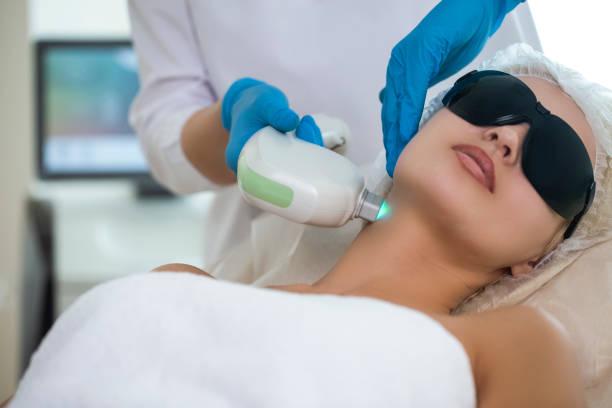
Keloid scars are more than just a cosmetic concern—they can affect confidence, comfort, and skin texture. Laser therapy cost in Riyadh These raised, thickened scars often grow beyond the original injury site and can become firm or itchy over time. Many individuals look for safe and effective ways to improve their appearance without invasive surgery. Among modern dermatological advancements, laser-based treatments have gained significant attention for their ability to improve scar texture and reduce visibility.
This article explores how keloid scars develop, how laser-based procedures work, and what results patients can typically expect from advanced skin treatments designed to restore smoother skin.
Modern Approach to Scar Revision
For individuals seeking advanced dermatology solutions, Laser Therapy in Riyadh has become a widely recognized option for improving keloid scars with minimal downtime and noticeable results. It is a non-surgical technique that focuses on remodeling scar tissue, improving pigmentation, and enhancing overall skin texture.
Understanding Keloid Scars
What Are Keloid Scars?
Keloids are a type of raised scar that forms when the skin produces excess collagen during healing. Unlike normal scars, they extend beyond the original wound and can continue growing over time.
Common Causes
- Acne or severe skin breakouts
- Surgical incisions
- Burns or trauma
- Piercings or minor skin injuries
- Genetic predisposition in some individuals
Symptoms and Appearance
Keloid scars are often:
- Thick and raised above the skin surface
- Darker or red in color
- Firm or rubbery in texture
- Occasionally itchy or uncomfortable
How Laser Technology Helps Skin Healing
Laser treatments work by delivering focused light energy into the skin layers. This energy helps break down excess scar tissue while encouraging the production of healthier collagen. Over time, the scar becomes softer, flatter, and less visible.
In dermatological practice, Laser Therapy in Riyadh is often recommended for patients who want a non-invasive option to improve both the texture and tone of keloid scars without long recovery periods.
Types of Laser Used for Keloid Treatment
Fractional Laser
Fractional lasers target small sections of skin at a time, stimulating natural healing and collagen remodeling. This helps gradually improve scar texture.
Pulsed Dye Laser (PDL)
This type of laser focuses on reducing redness and improving blood vessel visibility within the scar tissue, making keloids less noticeable.
CO2 Laser
CO2 lasers are more intensive and are used for deeper scars. They help resurface the skin and smooth out uneven layers.
Benefits of Laser Treatment for Keloids
Laser-based scar treatment offers multiple advantages, including:
- Improved skin texture and smoothness
- Reduction in scar thickness
- Enhanced skin tone and color balance
- Minimal downtime compared to surgery
- Gradual, natural-looking improvement
These benefits make it a preferred option for individuals seeking visible yet subtle skin enhancement.
What to Expect During the Procedure
A typical laser session involves several steps:
- Skin cleansing and preparation
- Application of numbing cream if required
- Targeted laser application over the scar
- Cooling or soothing aftercare treatment
The procedure is generally well tolerated, with mild discomfort described as a warm or tingling sensation.
Recovery and Aftercare Tips
After treatment, the skin may appear slightly red or sensitive for a short time. Proper aftercare is essential for best results:
- Avoid direct sun exposure
- Use recommended moisturizers or healing creams
- Keep the treated area clean and protected
- Avoid picking or scratching the skin
- Follow all post-treatment instructions carefully
With proper care, improvements become more visible over several weeks as the skin naturally regenerates.
Who Can Benefit from Laser Scar Treatment?
Laser therapy is suitable for many individuals, especially those who:
- Have raised keloid scars
- Prefer non-surgical treatment options
- Want gradual and natural improvement
- Have realistic expectations about results
- Do not have active skin infections in the treatment area
A professional consultation helps determine the most appropriate laser type and treatment plan.
Possible Side Effects and Considerations
While laser treatments are generally safe, some temporary effects may include:
- Mild redness or swelling
- Slight skin sensitivity
- Temporary darkening or lightening of the treated area
These effects usually resolve on their own within a few days to weeks. Proper aftercare significantly reduces risks and enhances results.
Long-Term Results and Expectations
Laser treatments do not completely erase keloid scars but significantly improve their appearance. With multiple sessions, many patients notice smoother skin texture, reduced thickness, and improved confidence in their appearance. Maintenance sessions may be recommended depending on scar severity and skin response.
Final Thoughts
Keloid scars can be challenging, but modern dermatology offers advanced solutions that focus on skin renewal rather than invasive procedures. With continued advancements in technology, treatments are becoming more precise, effective, and comfortable for patients seeking visible improvement in scar appearance. Laser Therapy in Riyadh continues to stand out as a reliable option for individuals looking to restore smoother, more even-looking skin while maintaining a natural appearance.
Book an appointment cunsulation clinic like 'Enfield Royal Riyadh'
FAQs
1. What is the main purpose of laser treatment for keloid scars?
Laser treatment helps reduce scar thickness, improve texture, and make keloid scars less visible over time.
2. How many sessions are needed for visible results?
The number of sessions varies depending on scar size and severity, but multiple sessions are usually required for best results.
3. Is the procedure painful?
Most patients experience only mild discomfort, often described as a warm or tingling sensation during the session.
4. Can keloid scars return after laser treatment?
There is a possibility of recurrence, especially in individuals prone to keloids, but maintenance care can help reduce this risk.
5. Is laser treatment suitable for all skin types?
Yes, laser treatments can be adjusted for different skin types, but a professional evaluation is necessary before starting.

 English
 Arabic
 French
 Spanish
 Portuguese
 Turkish
 Dutch
Dutch
 Italiano
 Russian
 Romaian
 Portuguese (Brazil)
 Greek
Greek
