
HPV Test Dubai: Understanding HPV Infection
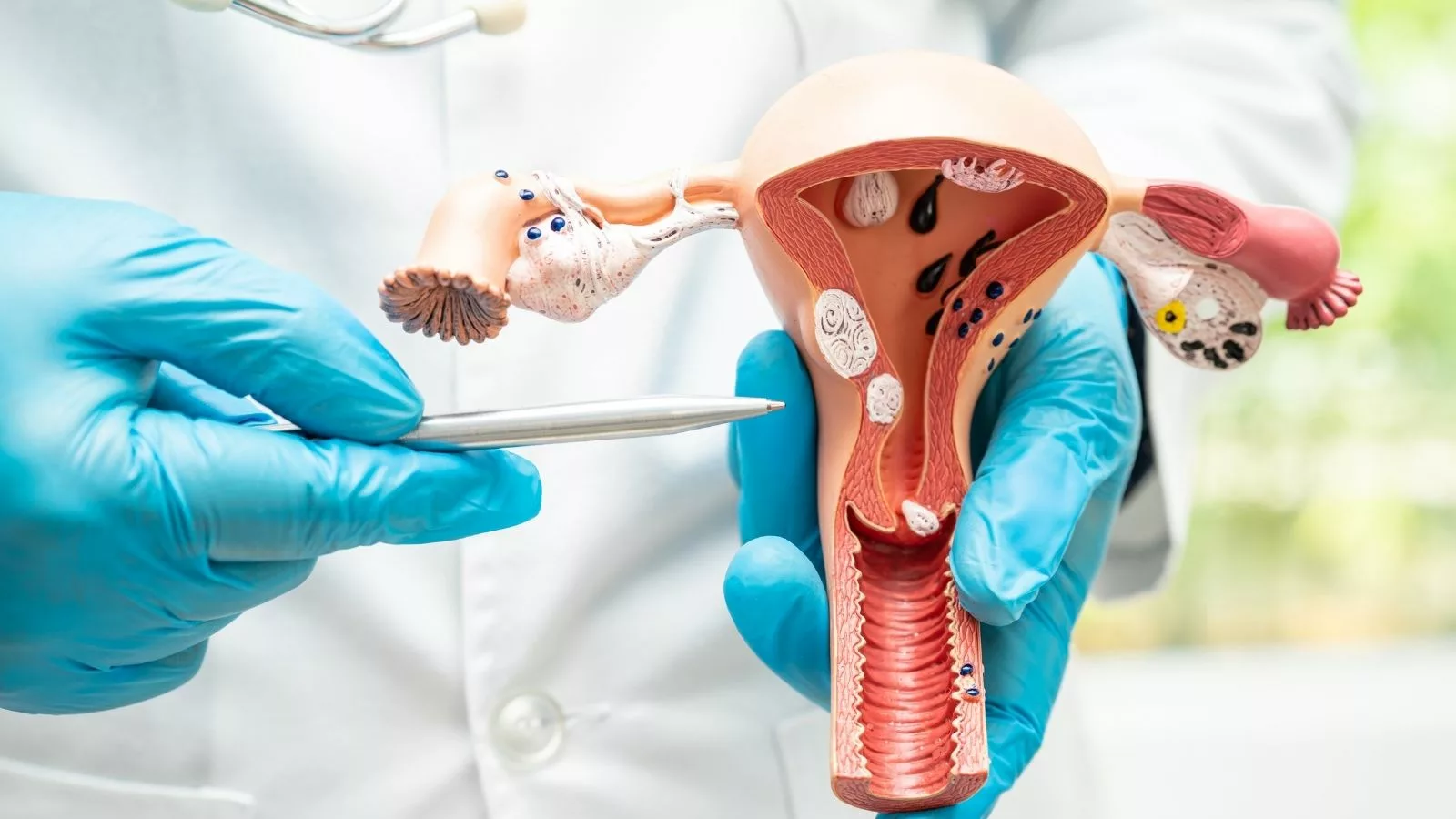
An HPV Test Dubai can help detect certain high-risk types of human papillomavirus, an infection that is extremely common among sexually active people. Many HPV infections do not cause noticeable symptoms and may clear naturally without treatment. However, some high-risk types can persist and contribute to changes in cervical cells, making appropriate screening an important part of preventive healthcare.
An STD Test Dubai can involve screening for several sexually transmitted infections, depending on the tests recommended or selected. HPV testing is more specific and focuses on particular HPV types, especially those associated with cervical health. Since each infection requires a different testing method, understanding the purpose of each test can help you choose appropriate sexual and preventive health screening.
What Is Human Papillomavirus?
Human papillomavirus is a group of more than 100 related viruses that can infect the skin and mucous membranes. Different types have different effects on health.
Some HPV types are considered low risk and can cause genital warts. Other types are classified as high risk because persistent infection can contribute to abnormal changes in cervical cells.
HPV can also affect other areas of the body. However, high-risk HPV is particularly important in cervical screening because persistent infection with certain types is strongly associated with cervical cancer.
How Is HPV Spread?
HPV is primarily transmitted through intimate skin-to-skin contact. Sexual activity can increase the likelihood of exposure, and transmission can occur even when an infected person has no visible symptoms.
Because HPV can remain unnoticed, identifying exactly when or from whom an infection was acquired is generally not possible through an HPV test.
A positive result should therefore not automatically be interpreted as evidence of a recent infection or recent sexual exposure.
Why Can HPV Be Difficult to Detect Without Screening?
Many HPV infections do not produce obvious symptoms. Someone may feel completely healthy while having an HPV infection.
This is one reason routine cervical screening is important for people who are recommended to undergo it. Screening can identify certain high-risk HPV types even when no symptoms are present.
Detecting HPV does not automatically mean that a person has a serious disease. The result provides information that can help determine whether monitoring or additional assessment is appropriate.
High-Risk and Low-Risk HPV
HPV types are often broadly categorized according to their associated health risks.
Low-risk types are more commonly associated with conditions such as genital warts and are not generally considered major causes of cervical cancer.
High-risk types can persist in some individuals and may contribute to abnormal cervical cell changes. Persistent infection is particularly important because cervical abnormalities can develop gradually.
How Does HPV Testing Work?
For cervical HPV screening, a healthcare professional usually collects a sample of cervical cells during an examination.
A speculum may be used to access the cervix, and a small collection device gathers the required cells. The sample is then sent to a laboratory.
The laboratory analyzes the sample for genetic material from the high-risk HPV types included in the particular test.
Is HPV Testing the Same as a Pap Test?
No. HPV testing and cervical cytology, commonly known as a Pap test, are different.
An HPV test looks for certain high-risk HPV types, while a Pap test examines cervical cells for abnormal changes.
Depending on age, previous screening results, medical history, and applicable guidelines, a healthcare professional may recommend HPV testing, cervical cytology, or both.
What Does a Positive HPV Result Mean?
A positive high-risk HPV result means that one or more of the high-risk types covered by the test were detected.
It does not automatically mean that cancer is present. Many HPV infections are temporary and may clear naturally.
However, persistent high-risk infection can increase the risk of cervical cell changes. Depending on the circumstances, a healthcare professional may recommend repeat screening or further evaluation.
What Does a Negative HPV Result Mean?
A negative result generally means that the high-risk HPV types included in the test were not detected in the sample.
This can be reassuring, but it does not provide lifelong protection from HPV. Future exposure or infection can still occur.
Continuing screening according to recommended intervals remains important even after a negative result.
Can HPV Go Away Naturally?
Many HPV infections are cleared naturally by the immune system. A person may therefore test positive at one point and later have a negative result.
However, some high-risk HPV infections persist. Persistent infection is the main concern because it can contribute to cervical cell abnormalities over time.
There is no single treatment that simply eliminates HPV from the body. Healthcare focuses on screening, monitoring, and treating abnormal cells when necessary.
HPV Infection and Cervical Health
Persistent high-risk HPV is closely associated with cervical cancer. This does not mean that everyone with HPV will develop cancer.
Cervical cancer usually develops over time through a series of cellular changes. Appropriate screening can help identify abnormalities that may need further evaluation.
Following recommended screening and follow-up appointments can therefore play an important role in protecting cervical health.
HPV Vaccination
HPV vaccination can reduce the risk of infection from certain HPV types associated with disease.
Vaccination is an important preventive measure, but it does not protect against every HPV type and does not replace recommended cervical screening.
A healthcare professional can explain whether vaccination may be appropriate based on age, medical history, and applicable recommendations.
When Should You Speak With a Healthcare Professional?
Consider discussing HPV testing with a healthcare professional if you are due for cervical screening, have received an abnormal screening result, have concerns about HPV, or need clarification about previous test results.
Professional guidance is particularly important after a positive result because follow-up recommendations can vary depending on individual circumstances.
Final Thoughts
Understanding HPV infection can help you make informed decisions about screening and preventive healthcare. Although many HPV infections clear naturally, persistent high-risk types can contribute to cervical cell changes, which is why appropriate screening and follow-up are important. For individuals seeking professional HPV screening and laboratory services, HPV Test Dubai can be considered as part of an appropriate cervical health plan.

 English
 Arabic
 French
 Spanish
 Portuguese
 Deutsch
 Turkish
 Dutch
Dutch
 Russian
 Romaian
 Portuguese (Brazil)
 Greek
Greek
