
Build a Scalable Uber Clone App for Modern Transportation
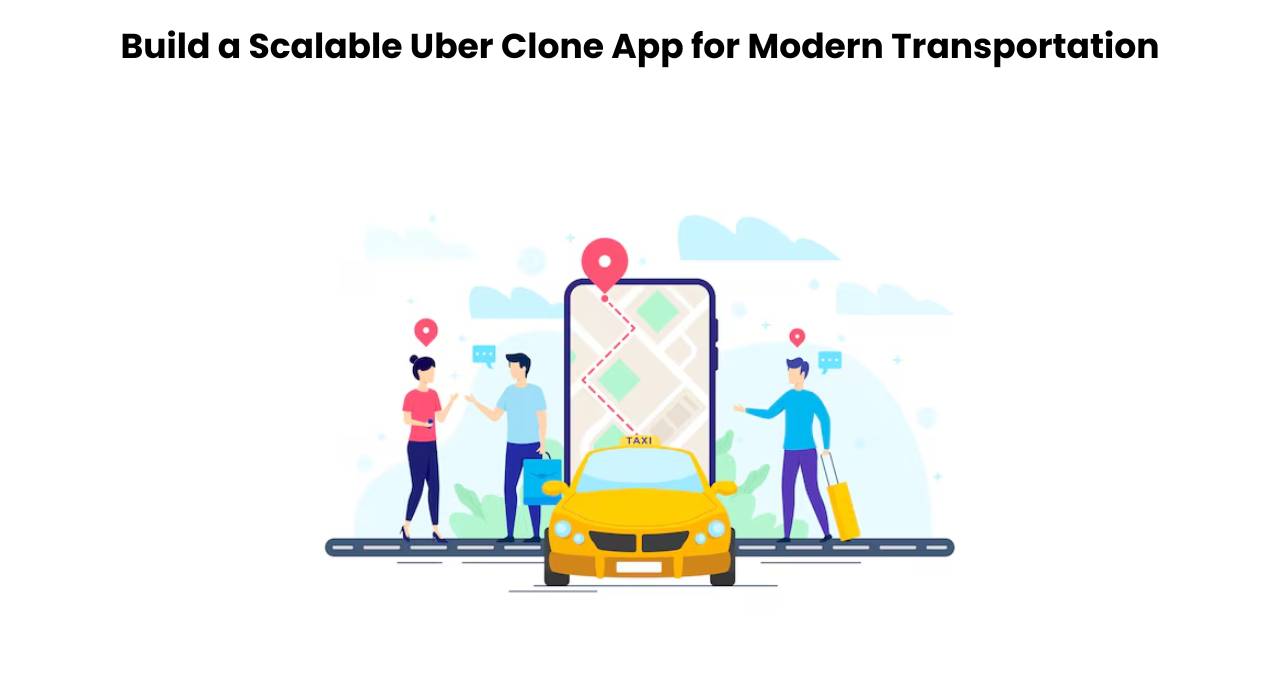
The transportation industry is rapidly moving toward digital booking, real-time tracking, and convenient mobility services. Customers now expect to book rides within seconds, track drivers accurately, choose suitable payment options, and receive a smooth travel experience from start to finish. For entrepreneurs and startups, this shift creates an opportunity to launch a technology-driven transportation business with a scalable Uber clone app.
An Uber clone app provides a ready foundation for building a ride-hailing platform while allowing businesses to customize the solution according to their target market, service model, and business requirements. An experienced Uber Clone App Development Company can help businesses create a platform that connects riders with drivers and supports efficient ride management.
With growing demand for digital mobility services across international markets, businesses can also explore regional opportunities such as taxi apps in Italy and other developing ride-hailing markets.
Why Businesses Are Investing in Uber Clone Apps
Traditional taxi businesses often depend on phone bookings, physical dispatch systems, and limited customer communication. Mobile ride-hailing platforms have changed this model by bringing customers, drivers, and operators into one connected ecosystem.
An Uber clone app can help businesses:
-
Launch a digital ride-booking service
-
Connect passengers with nearby drivers
-
Manage bookings and ride requests
-
Track rides in real time
-
Improve communication between riders and drivers
-
Support multiple payment methods
-
Expand operations across different locations
-
Build a recognizable transportation brand
For startups, this approach provides a structured starting point for entering the mobility sector. Instead of building every component from the ground up, entrepreneurs can begin with a proven business concept and customize the platform around their market.
An Uber Clone App Development Company can further adapt the application to support different vehicle categories, service areas, booking models, and operational requirements.
Understanding the Modern Ride-Hailing Business Model
A successful ride-hailing platform is more than a booking application. It is a complete digital ecosystem that coordinates passengers, drivers, and business administrators.
The customer-facing application should make ride discovery and booking simple. Users can select their pickup and destination locations, review ride details, request a vehicle, and monitor the trip.
The driver side should help transportation professionals manage ride requests, navigate toward pickup locations, update ride status, and monitor their earnings.
For business owners, the management system provides control over users, drivers, rides, service areas, and overall platform activity.
This connected approach makes the Uber clone model suitable for entrepreneurs who want to build a transportation business that can evolve as demand increases.

Key Features That Strengthen an Uber Clone App
Easy Ride Booking
A simple booking process is essential for customer adoption. Riders should be able to enter their pickup and destination locations and request a suitable vehicle without unnecessary steps.
Real-Time Ride Tracking
Real-time tracking allows customers to follow their driver's location and understand the progress of their journey. It can also improve transparency and provide a better overall experience.
Driver-Rider Matching
A smart driver assignment process can connect ride requests with suitable nearby drivers. This can help reduce waiting time and improve operational efficiency.
Fare Estimation
Customers can view an estimated fare before confirming their ride. Clear fare information helps users make informed decisions and builds trust in the platform.
Multiple Payment Options
Supporting different payment methods allows businesses to serve customers with different preferences. Digital payments can also make the booking and checkout process more convenient.
Ratings and Reviews
Rider and driver ratings provide a way to collect feedback about service quality. Businesses can use this information to understand customer satisfaction and improve operations.
Read more :- Best Taxi Apps in Italy: Compare the Top 10 Ride Services in 2026
Ride Scheduling
Scheduled rides allow customers to arrange transportation in advance. This feature can be particularly useful for airport transfers, business travel, events, and planned journeys.
Push Notifications
Notifications can keep users informed about booking confirmations, driver arrivals, ride updates, and other important activities.
Expanding Into International Transportation Markets
Transportation businesses are no longer limited to a single city or country. Digital platforms make it possible for entrepreneurs to develop services for specific regions and gradually expand into new markets.
For example, taxi apps in Italy are part of a broader shift toward convenient digital mobility. Travelers and local customers increasingly look for simple ways to find and book transportation through their smartphones.
Entrepreneurs entering the Italian market need to understand local customer expectations, transportation regulations, service availability, and regional travel behavior. Rather than simply copying an existing platform, businesses can customize an Uber clone according to the needs of their selected market.
This localized approach can make a transportation platform more relevant and competitive.
The Opportunity Behind Rideshare in Italy
The concept of rideshare in Italy presents opportunities for businesses that want to provide convenient transportation through digital platforms. Different cities and regions can have different mobility patterns, which means entrepreneurs can design services around specific customer groups.
For instance, a platform may focus on daily commuters, tourists, airport transportation, corporate travel, or local taxi services.
An Uber Clone App Development Company can help businesses create flexible ride-booking solutions that support these different use cases while maintaining a consistent customer experience.
The objective should not simply be to create another ride-booking application. Businesses should identify a specific market gap and use technology to solve real transportation challenges.
Building an Alternative to Existing Ride Platforms
Entrepreneurs entering a competitive market may consider developing an Italy uber alternative that provides a differentiated customer experience.
A new platform can compete by focusing on areas such as:
-
Faster booking experiences
-
Better local service coverage
-
Transparent ride information
-
Flexible vehicle categories
-
Convenient scheduled rides
-
Strong driver engagement
-
Localized customer support
Businesses do not necessarily need to replicate every function offered by major ride-hailing brands. Instead, they can select features that align with their target customers and gradually introduce additional services as their platform grows.
An experienced Uber Clone App Development Company can support this customization strategy by helping businesses adapt the solution to their operational goals.
Final Thoughts
The growing adoption of digital transportation services creates strong opportunities for startups and entrepreneurs interested in launching their own mobility businesses. An Uber clone app can provide the foundation needed to connect riders and drivers while supporting booking, tracking, payments, scheduling, and business management.
Markets such as taxi apps in Italy demonstrate how regional transportation opportunities can be explored through localized digital platforms. Entrepreneurs can study existing services, identify market gaps, and create a differentiated experience rather than simply reproducing an established brand.
Choosing the right Uber Clone App Development Company is an important part of this process. The right technology partner can help transform a business concept into a scalable platform that is prepared for future expansion.
Ultimately, working with a reliable clone app development company can help startups and established transportation businesses enter the digital mobility market with a practical and adaptable solution.
Frequently Asked Questions
1. What is an Uber clone app?
An Uber clone app is a ready-to-customize ride-hailing application inspired by the business model of popular transportation platforms. It connects riders and drivers and can include booking, tracking, payments, ratings, notifications, and ride management capabilities.
2. Can an Uber clone app be customized for different countries?
Yes. Businesses can customize an Uber clone for different markets based on local transportation requirements, languages, service categories, customer preferences, and operational needs.
3. Is an Uber clone suitable for startups?
Yes. An Uber clone can provide startups with a structured foundation for launching a ride-hailing business. Entrepreneurs can begin with their core service and expand the platform as their customer base and operational requirements grow.
4. Can businesses launch a taxi platform in Italy with an Uber clone?
Yes. Businesses can develop a localized transportation platform for the Italian market. Before launching, entrepreneurs should research local market conditions, transportation regulations, customer expectations, and service requirements.
5. How do I choose an Uber Clone App Development Company?
Look for a development partner with experience in ride-hailing solutions, customization, scalable architecture, mobile application development, and ongoing technical support. Reviewing previous projects and understanding the company's development approach can also help businesses make an informed decision.

 English
 Arabic
 Spanish
 Portuguese
 Deutsch
 Turkish
 Dutch
Dutch
 Italiano
 Russian
 Romaian
 Portuguese (Brazil)
 Greek
Greek
