
Discovering the Qualities of Freshly Roasted Specialty Beans
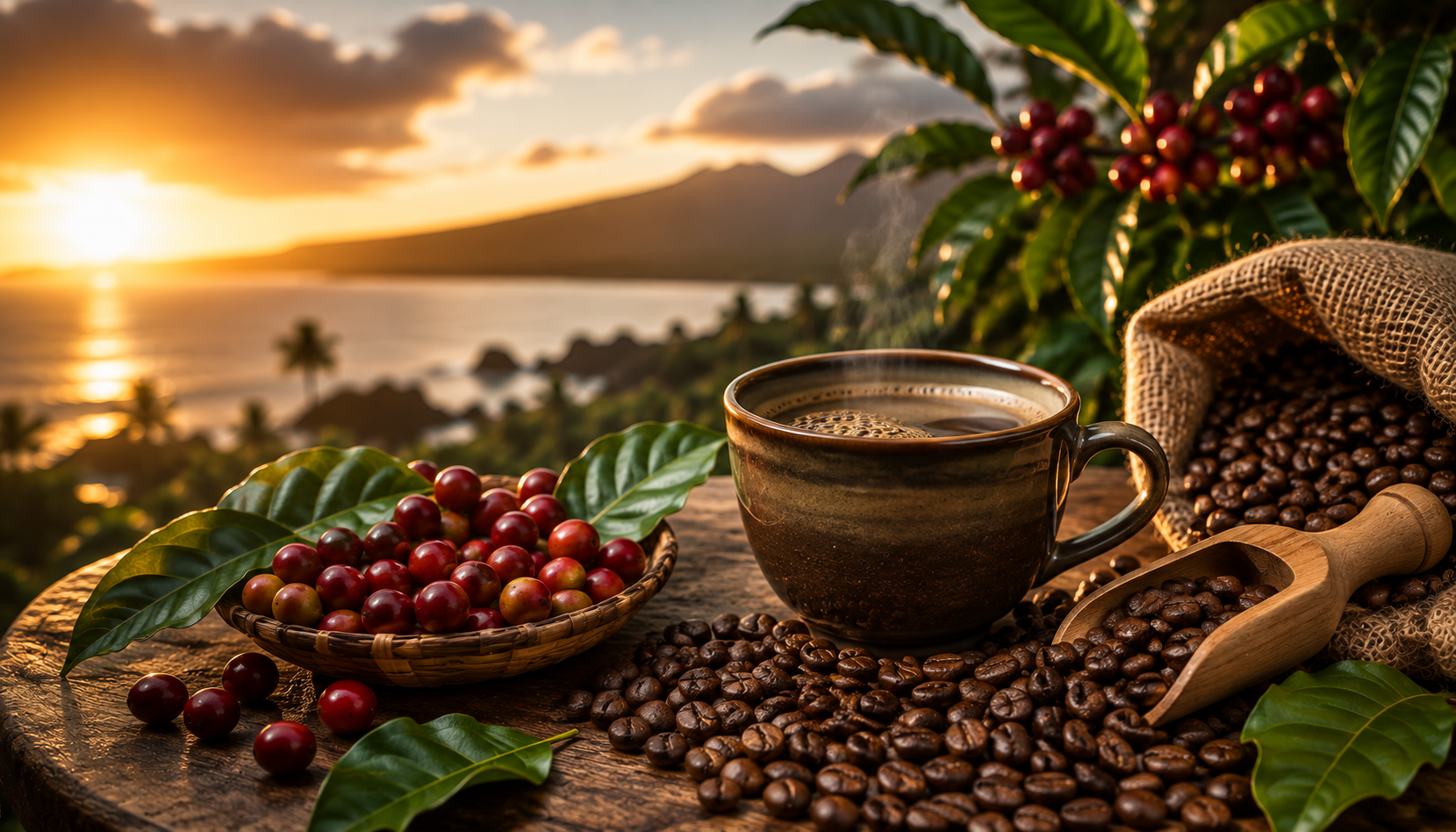
Coffee enthusiasts around the world constantly search for exceptional flavors that elevate their daily morning ritual. Among the most celebrated agricultural treasures in the specialty beverage industry is the famous bean harvested from the volcanic slopes of Hawaii. This region produces beans that are globally renowned for their smooth texture, rich aroma, and lack of bitterness.
Cultivating these precious beans requires a very specific set of environmental conditions that only a tiny coastal strip on the Big Island can provide. Farmers invest generations of knowledge into nurturing every single cherry, ensuring that traditional harvesting and meticulous processing methods are strictly followed from seed to cup.
Navigating the vast marketplace requires careful attention to detail because many commercial products blend these prized beans with ordinary varieties. Securing genuine and pure Kona coffee ensures that you experience the authentic heritage and distinct flavor notes that make this Hawaiian harvest so legendary.
The Unique Geography And Microclimate Of The Kona Belt
The secret behind the remarkable quality of Kona coffee lies within its precise geographical location. Situated on the western slopes of two massive volcanoes, Hualalai and Mauna Loa, the Kona coffee belt spans a narrow strip of land that is roughly thirty miles long and only a couple of miles wide. This specific terrain creates an ideal microclimate that cannot be replicated anywhere else on Earth.
Morning sunlight bathes the coffee trees in gentle warmth, waking up the foliage and encouraging steady growth. By afternoon, natural cloud cover rolls in from the ocean, providing a protective canopy that shields the delicate coffee cherries from intense tropical sun rays. This daily weather pattern acts as a natural shield, allowing the fruit to mature at an optimal pace.
Furthermore, the volcanic soil plays a crucial role in shaping the flavor profile of the harvest. The rich earth is packed with essential minerals, providing superior drainage and deep nourishment for the root systems. As rainwater filters down through the porous volcanic rock, it delivers clean hydration directly to the trees, resulting in exceptionally vibrant and healthy coffee cherries.
Understanding Kona Coffee Grades And Classifications
The state of Hawaii enforces rigorous grading standards to protect the integrity of its signature agricultural product. Every batch of harvested beans undergoes thorough inspection and sorting based on bean size, shape, moisture content, and overall defect count. Knowing these classifications helps consumers make informed purchasing decisions.
Extra Fancy represents the pinnacle of quality. These beans are exceptionally large, dense, and virtually flawless, offering the most refined flavor experience available. Fancy beans follow closely behind, featuring slightly smaller dimensions while maintaining remarkable aromatic qualities and smooth taste characteristics.
Another notable grade is Number One, which meets high standards for everyday enjoyment. Additionally, producers often separate Peaberry beans, which occur when a coffee cherry develops a single rounded bean instead of the usual two flat sides. Peaberries are celebrated for their concentrated flavor profile and intense aromatic punch, making them highly sought after by connoisseurs.
The Distinct Flavor Profile And Aroma
When you brew a cup of freshly roasted Hawaiian coffee, the sensory experience begins long before the first sip. The aroma fills the room with rich notes of toasted nuts, warm caramel, and subtle hints of sweet fruit or floral undertones. This complex fragrance is a direct result of the unique volcanic growing environment.
On the palate, the coffee delivers an exceptionally silky and smooth mouthfeel. Unlike many commercial coffees that carry a sharp, acidic bite or an unpleasant bitterness, high grade Hawaiian coffee maintains a harmonious balance. The acidity is bright and pleasant, resembling citrus or crisp apple, while the body remains smooth, round, and deeply satisfying.
The finish is clean and lingering, leaving a pleasant sweetness that stays on the tongue long after the cup is empty. This lack of harsh aftertaste is the primary reason why even individuals who typically add cream or sugar often prefer to drink this brew completely black.
How To Identify Authentic Kona Coffee And Avoid Blends
Because true Hawaiian coffee commands a premium price in the global market, counterfeit products and commercial blends pose a significant challenge for buyers. Many supermarket brands sell packages labeled as Kona blends, which often contain only a tiny fraction of actual authentic beans mixed with cheaper imported coffee from various countries.
To guarantee authenticity, buyers must carefully inspect packaging labels. Legitimate bags of genuine origin will clearly state that the contents consist of one hundred percent authentic beans from the designated region. If a label mentions a blend percentage, such as ten percent Kona, consumers should realize they are paying a high price for mostly generic coffee.
Purchasing directly from reputable estates and specialized online platforms eliminates the risk of receiving diluted or counterfeit products. Transparency in sourcing ensures that the money spent goes directly toward supporting traditional farming families who maintain the highest standards of agricultural excellence.
Best Roasting Practices For Hawaiian Beans
Roasting is both an art and a science that requires immense precision to honor the hard work put into farming the beans. Because the raw seeds possess such delicate and complex natural characteristics, master roasters must carefully monitor temperature curves and timing to avoid masking the inherent origin flavors.
Light roasts are exceptional for highlighting the bright acidity, floral notes, and delicate fruit undertones of the harvest. This roast level preserves the unique terroir of the volcanic slopes, offering a vibrant and complex cup that appeals to purists and specialty coffee enthusiasts.
Medium roasts strike a harmonious balance between origin characteristics and traditional roasting flavors. They accentuate notes of milk chocolate, brown sugar, and toasted nuts while subduing any sharp acidity. Dark roasts, while less common for this specific bean due to the risk of muting delicate flavors, appeal to those who enjoy a bolder, more robust cup with lower acidity and deep caramelization.
Optimal Brewing Techniques For Maximum Flavor
Preparing your coffee using the correct technique ensures that you extract the maximum amount of flavor without introducing unwanted bitterness. Water quality plays a fundamental role, as water makes up the vast majority of the final beverage. Using filtered water prevents mineral impurities from interfering with the delicate taste profile.
For an optimal extraction, a pour over method such as a cone dripper allows complete control over water flow and extraction time. This method highlights the bright aromatics and clean finish of the beans. French press immersion brewing is another fantastic choice for those who prefer a heavier body and richer mouthfeel, as it allows the natural oils to pass into the cup.
Grind size should match your chosen brewing device. A medium fine grind works wonderfully for pour over systems, while a coarse grind prevents over extraction and bitterness when using a French press. Maintaining water temperatures between two hundred degrees Fahrenheit ensures optimal compound extraction without scorching the grounds.
Proper Storage Methods To Preserve Freshness
Even the finest coffee beans will lose their vibrant character if exposed to unfavorable environmental conditions after purchase. Oxygen, moisture, heat, and light are the primary enemies of roasted coffee, causing volatile aromatic compounds to degrade rapidly over time.
To maintain peak freshness, beans should be stored in an opaque, airtight container at room temperature. Clear glass jars should be avoided unless kept inside a dark pantry, as ultraviolet light breaks down essential flavor oils. Buying whole beans instead of pre ground options also extends shelf life significantly, as grinding increases the surface area exposed to oxygen.
Consuming the coffee within a few weeks of the roast date ensures that you experience the full spectrum of flavors and aromas. Avoiding refrigeration or freezing is generally recommended for daily use containers, as temperature fluctuations cause condensation to form inside the packaging, which ruins the quality of the grounds.
Sustainable Farming And Ethical Production Practices
The long term viability of the coffee industry depends heavily on sustainable agricultural practices that protect the natural environment and support local farming communities. Ethical producers prioritize soil health, utilizing organic fertilizers, cover crops, and natural pest management techniques to maintain the fertility of the volcanic earth.
Water conservation is another critical priority during the processing stage. Modern washing and depulping stations utilize efficient water recycling systems to minimize waste and protect local watersheds. Furthermore, fair labor practices ensure that field workers receive fair compensation, safe working conditions, and respect for their invaluable contributions to the harvest.
Supporting estates that embrace sustainability guarantees that future generations will continue to enjoy world class agricultural products while preserving the delicate ecosystem of the Big Island. Conscious consumer choices drive positive change throughout the entire global supply chain.
Frequently Asked Questions About Kona Coffee
What makes Kona coffee different from other coffees?
The combination of rich volcanic soil, warm morning sunlight, afternoon cloud cover, and gentle tropical rainfall creates an environment that produces exceptionally smooth, aromatic beans with zero harsh bitterness.
How can I tell if my coffee is one hundred percent authentic Kona?
Check the packaging for clear labeling that states one hundred percent authentic origin rather than a blend. Purchasing directly from trusted estates or specialized retailers provides an additional layer of assurance.
What is the best grind size for brewing Kona coffee?
The ideal grind size depends entirely on your brewing method. A medium fine grind is perfect for pour over systems, while a coarse grind works best for French press and immersion brewing.
Why is Kona coffee more expensive than regular commercial coffee?
The limited geographical size of the growing region, high labor costs in Hawaii, strict quality grading standards, and meticulous hand harvesting methods all contribute to the higher cost of production.
Should I buy light roast or dark roast Kona coffee?
Light roasts highlight bright acidity and delicate floral or fruit notes, while medium roasts offer a balanced flavor profile with chocolate and caramel hints. Choose based on your personal preference for acidity and body.
Conclusion
Experiencing the finest agricultural products from Hawaii transforms a routine morning habit into a moment of pure culinary delight. By understanding the unique geography, strict grading standards, and proper brewing methods, you can truly appreciate the dedication poured into every harvest.

 English
 Arabic
 French
 Spanish
 Portuguese
 Deutsch
 Turkish
 Dutch
Dutch
 Italiano
 Russian
 Romaian
 Portuguese (Brazil)
