
DNA Test Dubai: Testing Process Explained
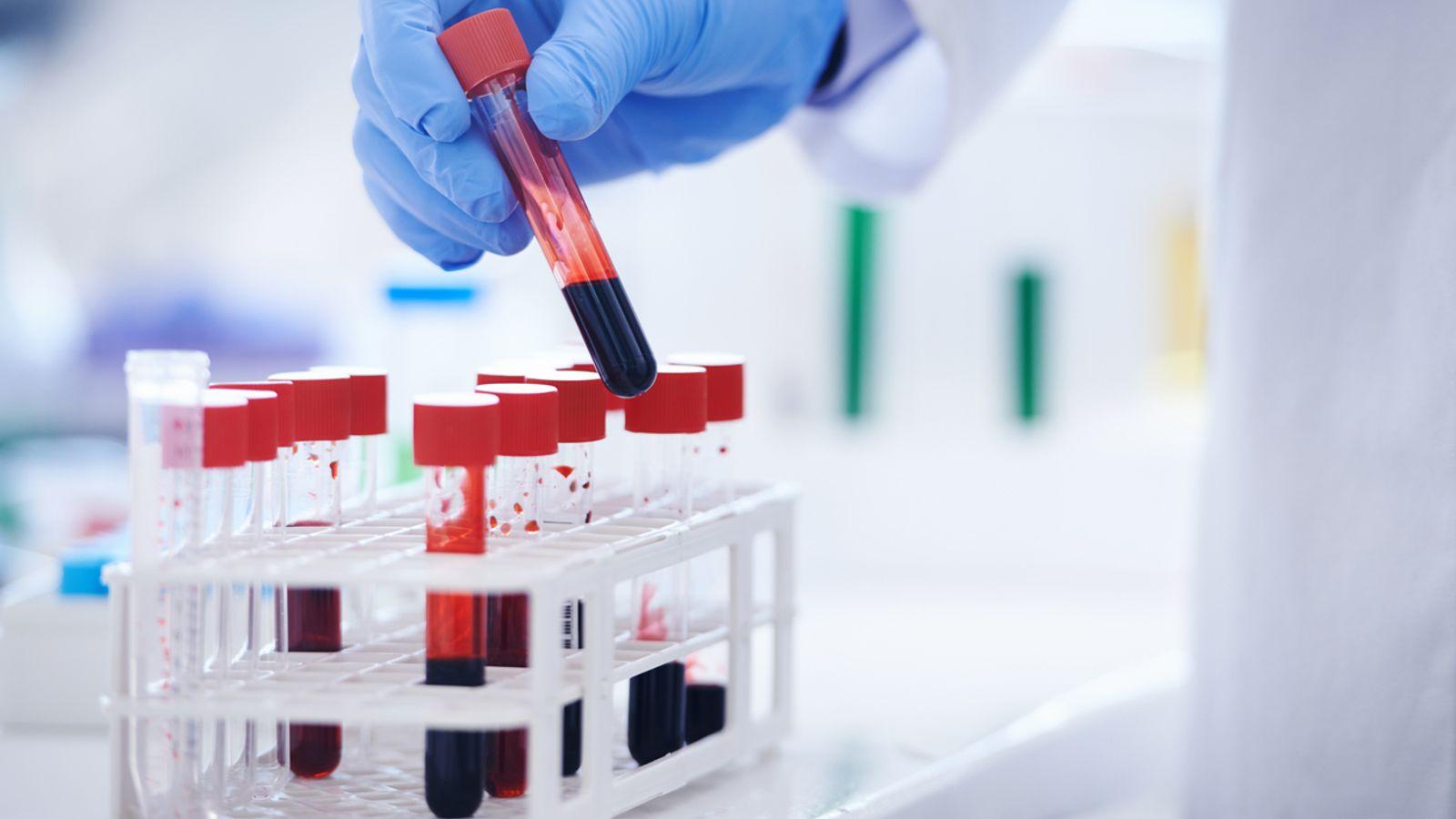
A DNA Test Dubai involves collecting biological samples, analyzing selected genetic markers, and comparing DNA profiles to evaluate a potential biological relationship. The process is commonly used for paternity testing, parentage verification, sibling testing, and other family relationship assessments. Although DNA testing is based on scientific laboratory analysis, the experience can be straightforward when the correct test is selected and sample collection instructions are followed carefully.
An STD Test Dubai has a different purpose from relationship DNA testing. STD testing is intended to detect sexually transmitted infections, while DNA relationship testing examines genetic markers to investigate biological connections. Both may involve professional laboratory services, but their objectives, sample requirements, and reporting processes are different. Understanding this distinction helps people arrange the correct service for their specific needs.
Step 1: Selecting the Appropriate DNA Test
The first step is identifying what biological relationship needs to be examined. Paternity testing is appropriate when the question involves an alleged father and child, while sibling or grandparent testing may be considered for other family relationship questions.
The choice of test can also depend on which family members are available to provide samples. Discussing the situation with the testing provider can help determine which testing method is most suitable.
Personal or Legal Testing
Another important consideration is whether the results are required for personal information or an official purpose. Private testing may be suitable when someone wants information for their own knowledge.
Legal testing generally involves additional identity verification and controlled sample collection because the results may be submitted to a court, government authority, immigration organization, or another official body.
Step 2: Collecting DNA Samples
Once the appropriate test has been selected, biological samples are collected from the participants. A cheek swab is commonly used because it is non-invasive and can collect cells containing DNA.
Participants should carefully follow the provider's instructions during collection. Samples must be correctly identified and handled to help maintain their integrity.
For legal testing, a professional may supervise the collection process. Participants may also need to provide identification and complete documentation.
Step 3: Sending Samples to the Laboratory
After collection, samples are prepared for laboratory analysis. Proper packaging, labeling, and transportation are important to prevent administrative errors and protect the condition of the samples.
The laboratory records the samples and prepares them for DNA extraction. If a sample does not contain sufficient usable genetic material, the provider may request another sample.
Step 4: DNA Extraction and Analysis
Inside the laboratory, technicians extract DNA from the collected cells. The extracted genetic material is then prepared for analysis.
Relationship testing focuses on selected genetic markers rather than examining every aspect of a person's DNA. These markers are used to create genetic profiles that can be compared between participants.
Advanced laboratory procedures allow multiple markers to be analyzed, providing substantial genetic information for relationship assessment.
Step 5: Comparing Genetic Profiles
After genetic profiles are produced, the laboratory compares them according to the type of test being performed.
For paternity testing, the child's genetic markers are compared with those of the alleged father. Because a child inherits genetic information from biological parents, the laboratory can assess whether the observed markers support the proposed father-child relationship.
Other relationship tests use different comparisons based on the biological connection being investigated.
Step 6: Reviewing the Genetic Evidence
The laboratory evaluates the genetic comparisons using statistical methods appropriate to the test. The findings may indicate that a proposed relationship is supported or excluded.
For example, a paternity report may provide a probability of paternity. If the genetic evidence is inconsistent with biological fatherhood, the report may indicate exclusion.
The exact wording and statistical information provided can vary by laboratory and testing method.
Step 7: Preparing the Final Report
Once analysis is complete, the laboratory prepares a report explaining the findings. The report may include information about the participants, samples analyzed, testing methodology, and relationship conclusion.
For legal testing, the report may also include documentation related to participant identification and sample custody.
Participants should ask the provider how the report will be delivered and who is authorized to receive it.
How Accurate Is the Process?
DNA relationship testing can provide highly reliable evidence when suitable samples are collected and validated laboratory procedures are followed. Several factors can influence the testing process, including sample quality, relationship type, number of participants, and genetic markers examined.
It is important to remember that accuracy relates to the specific test performed. A paternity test is designed to assess biological paternity and does not automatically provide information about health conditions, ancestry, or other genetic characteristics.
Legal DNA Testing Requirements
When results are needed for official purposes, additional procedures may be required. These can include government-issued identification, professional sample collection, photographs, signatures, and documented chain-of-custody procedures.
Anyone planning to use a DNA report for an official matter should explain this before testing begins. A private test may not satisfy the requirements of an authority requesting legally recognized results.
Privacy During DNA Testing
DNA testing involves highly personal information, so privacy should be considered when selecting a provider. Ask how samples and personal data are stored, who can access the results, and how reports are delivered.
Understanding confidentiality procedures before testing can help participants make informed decisions about sharing their genetic information.
Final Thoughts
The DNA testing process involves several important stages, from selecting the appropriate relationship test and collecting biological samples to laboratory analysis and final reporting. Understanding each stage can make the experience easier and help participants know what to expect. When professional relationship analysis is required, DNA Test Dubai can be considered as an option for individuals seeking structured genetic testing and documented results.

 English
 Arabic
 Spanish
 Portuguese
 Deutsch
 Turkish
 Dutch
Dutch
 Italiano
 Russian
 Romaian
 Portuguese (Brazil)
 Greek
Greek
