
How Gastric Bypass Surgery Affects Appetite and Hunger
Living with obesity can make hunger and appetite difficult to manage, especially when lifestyle changes alone do not provide lasting results. Gastric bypass surgery is a well established bariatric procedure that changes the digestive system and can support significant, long term weight loss. One of the important reasons patients experience changes after surgery is that the procedure affects not only stomach size but also appetite regulation, digestion, and the hormones involved in hunger.
-
Gastric Bypass Surgery in Islamabad is increasingly considered by people who have struggled with obesity and related health problems despite conventional weight loss methods. Understanding how the procedure affects hunger can help patients develop realistic expectations before deciding whether bariatric surgery is suitable for them.
What Is Gastric Bypass Surgery
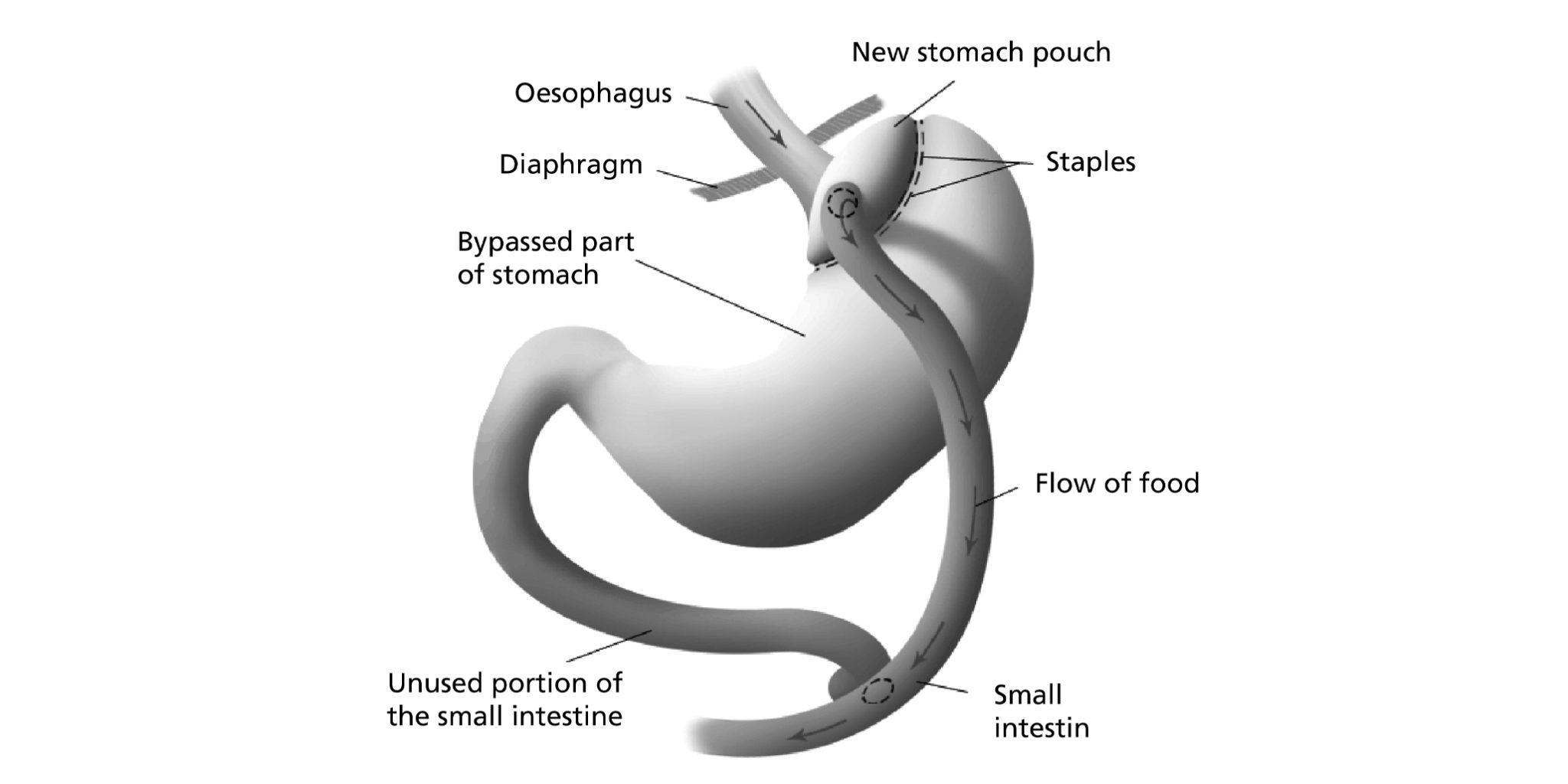
Gastric bypass surgery, commonly known as Roux en Y gastric bypass, is a bariatric procedure designed to help people with obesity achieve substantial weight loss. During the operation, the surgeon creates a small pouch from the upper part of the stomach and connects it directly to a section of the small intestine. Food therefore bypasses most of the stomach and the first portion of the small intestine.
-
The smaller stomach pouch limits how much food can be consumed at one time.
-
The altered digestive pathway changes how food and nutrients are processed.
-
Changes in gut hormones can influence hunger, fullness, and appetite.
-
The combination of these effects can support long term weight management.
How Gastric Bypass Changes Hunger
One of the most noticeable changes after gastric bypass is a reduction in hunger for many patients. Before surgery, appetite can be influenced by several factors, including stomach signals, hormones, eating patterns, emotional triggers, and food availability. Gastric bypass can modify some of these biological signals, making it easier for patients to feel satisfied with smaller meals.
-
Patients may notice that their appetite decreases during the early stages after surgery.
-
Hunger signals may become less intense or less frequent.
-
Smaller meals can produce a stronger feeling of fullness.
-
Some patients develop a different relationship with food as their appetite changes.
The Role of Hunger Hormones
The digestive system plays an important role in regulating appetite. Hormones released by the stomach and intestines communicate with the brain and help determine when a person feels hungry or full. Gastric bypass can change the levels and activity of several of these hormones.
-
Ghrelin is commonly associated with hunger and is produced largely in the stomach.
-
Gastric bypass can reduce hunger signaling involving ghrelin, although individual responses vary.
-
Gut hormones such as GLP 1 and PYY may increase after eating.
-
These hormonal changes can contribute to greater feelings of fullness and reduced appetite.
Why Patients Feel Full More Quickly
The newly created stomach pouch is much smaller than the original stomach. As a result, patients cannot comfortably consume the same volume of food they could before surgery. Food entering the small pouch produces signals that contribute to satiety, or the feeling of being comfortably full.
-
A smaller stomach pouch means smaller meal portions.
-
Eating slowly helps patients recognize their new fullness signals.
-
Continuing to eat beyond comfortable fullness can cause nausea, discomfort, or vomiting.
-
Portion control becomes an important part of maintaining successful weight loss.
Does Gastric Bypass Remove Hunger Completely
Gastric bypass does not permanently eliminate hunger, and patients should not expect to stop feeling hungry altogether. Hunger is a normal biological sensation and can return at different times depending on the individual, eating pattern, physical activity, sleep, stress, and other factors.
-
Some patients experience a significant reduction in hunger.
-
Others continue to experience hunger but find it easier to manage.
-
Emotional eating may continue even when physical hunger decreases.
-
Long term success requires healthy habits alongside the effects of surgery.
Appetite and Emotional Eating After Surgery
Physical hunger and emotional hunger are different. A person may eat because of stress, boredom, anxiety, social situations, or habitual behavior rather than because the body requires food. Gastric bypass can influence physical appetite, but it does not automatically eliminate emotional or behavioral reasons for eating.
-
Patients should learn to recognize physical hunger versus emotional cravings.
-
Keeping a food journal can help identify eating patterns.
-
Psychological support can be beneficial when emotional eating remains a concern.
-
Healthy coping strategies can reduce reliance on food for managing emotions.
How Appetite Changes During Recovery
Appetite can change considerably during the first few weeks after gastric bypass. Immediately following surgery, patients generally progress through carefully planned dietary stages, beginning with liquids and gradually introducing soft and solid foods according to their surgeon and dietitian recommendations.
-
Appetite may be very low during the initial recovery period.
-
Patients gradually learn how much food their smaller pouch can tolerate.
-
Protein and fluid intake become important priorities.
-
Dietary progression should always follow the medical team's instructions.
What Happens to Food Cravings
Food cravings may also change after gastric bypass. Some patients report reduced interest in certain foods, particularly foods that previously triggered overeating. Others may continue to experience cravings, especially for foods associated with habits or emotional experiences.
-
Cravings can be influenced by routine, emotions, stress, and food exposure.
-
High sugar and high fat foods may become less appealing to some patients.
-
Patients should focus on nutritious foods that provide protein and essential nutrients.
-
Understanding personal food triggers can make long term weight management easier.
Can Hunger Return After Gastric Bypass
It is possible for hunger to increase again after gastric bypass. Changes in appetite are not necessarily a sign that the surgery has failed. The body continues to adapt over time, and appetite can be affected by dietary habits, weight changes, sleep, stress, medications, and other factors.
-
Occasional hunger is normal after bariatric surgery.
-
Regularly increasing hunger should be discussed with a healthcare professional if it is accompanied by weight regain or other concerns.
-
Eating adequate protein and maintaining hydration can support satiety.
-
Consistent follow up helps identify and address potential problems early.
Gastric Bypass and Long Term Weight Loss
The appetite related effects of gastric bypass can support weight loss by making it easier to consume smaller portions and control hunger. However, surgery should not be viewed as a standalone solution. Long term results depend on a combination of the surgical changes, nutritional habits, physical activity, behavioral adjustments, and ongoing medical care.
-
Follow the recommended post surgery meal plan.
-
Prioritize protein rich and nutrient dense foods.
-
Avoid frequent consumption of high calorie foods and sugary drinks.
-
Maintain regular physical activity as recommended by your healthcare team.
-
Attend scheduled follow up appointments.
How to Manage Hunger After Gastric Bypass
Although appetite may decrease after surgery, patients still need practical strategies to manage hunger and maintain healthy eating habits. Establishing a structured routine can help prevent grazing, overeating, and unnecessary snacking.
Focus on Protein
Protein can help support fullness while also helping the body maintain muscle during weight loss. Patients should follow their dietitian's recommendations regarding daily protein requirements.
-
Include appropriate protein sources in meals.
-
Choose foods that fit the dietary stage recommended by your medical team.
-
Use protein supplements only when recommended or approved by your healthcare provider.
Drink Enough Fluids
Dehydration can sometimes be confused with hunger. Staying adequately hydrated is therefore an important part of post surgery care.
-
Drink fluids throughout the day according to your medical team's guidance.
-
Avoid sugary beverages that can add unnecessary calories.
-
Follow any instructions regarding separating fluids from meals.
Eat Slowly
After gastric bypass, eating too quickly can lead to discomfort because the stomach pouch has limited capacity. Slow eating also gives the body more time to recognize fullness.
-
Take small bites.
-
Chew food thoroughly.
-
Stop eating when you feel comfortably satisfied.
-
Avoid eating while distracted whenever possible.
Gastric Bypass Surgery Versus Other Weight Loss Procedures
Different bariatric procedures affect appetite and digestion in different ways. Gastric sleeve surgery, for example, reduces the size of the stomach and can also influence hunger hormones. Gastric bypass combines restriction with changes to the digestive pathway and gut hormone activity.
-
Gastric bypass may be particularly useful for some patients with severe obesity and certain obesity related conditions.
-
Gastric sleeve involves reducing stomach capacity without creating an intestinal bypass.
-
The best procedure depends on medical history, BMI, eating patterns, existing health conditions, and professional assessment.
-
Patients should discuss their options with a qualified bariatric surgeon rather than choosing a procedure based solely on weight loss claims.
Who May Benefit From Gastric Bypass
Gastric bypass may be considered for adults with obesity who meet appropriate medical criteria and have not achieved adequate or sustainable results through conventional approaches. Eligibility is determined individually after reviewing overall health, BMI, previous weight loss attempts, medications, eating behavior, and obesity related conditions.
-
A detailed medical assessment is required before surgery.
-
Blood tests and other investigations may be recommended.
-
Patients should disclose existing medical conditions and medications.
-
A multidisciplinary team may include a surgeon, physician, dietitian, and other specialists.
What to Expect From Gastric Bypass Surgery in Islamabad
People considering Gastric Bypass Surgery in Islamabad should look beyond the procedure itself and evaluate the complete treatment pathway. A reputable bariatric program should provide proper assessment, surgical planning, nutritional guidance, postoperative monitoring, and long term support.
-
Start with a consultation with a qualified bariatric surgeon.
-
Discuss expected weight loss and appetite changes realistically.
-
Ask about the surgical technique and potential risks.
-
Understand the dietary plan before and after surgery.
-
Confirm how postoperative follow up will be managed.
Risks and Considerations
Although gastric bypass can provide significant health benefits for suitable patients, it is still major surgery and carries potential risks. These can include bleeding, infection, blood clots, leaks, nutritional deficiencies, bowel problems, dumping syndrome, and other complications. The individual risk depends on several medical and surgical factors.
-
Patients should understand both short term and long term risks.
-
Nutritional monitoring is important after gastric bypass.
-
Vitamin and mineral supplementation may be required.
-
Persistent or unusual symptoms should be reported to the medical team promptly.
Is Gastric Bypass a Permanent Solution
Gastric bypass creates long lasting anatomical changes, but maintaining weight loss still requires lifelong attention to nutrition and health habits. Patients who return to frequent overeating or high calorie eating patterns may experience weight regain over time.
-
Surgery provides powerful biological and physical support for weight management.
-
Healthy eating remains essential after the procedure.
-
Regular exercise supports overall health and weight maintenance.
-
Long term medical follow up helps protect nutritional health and surgical outcomes.
Final Thoughts
Gastric bypass can affect appetite through several interconnected mechanisms, including reduced stomach capacity, earlier fullness, and changes in gut hormones involved in hunger and satiety. For many suitable patients, these changes can make portion control easier and provide valuable support for long term weight management. However, successful results require commitment to nutrition, physical activity, behavioral changes, and professional follow up.
-
Anyone considering bariatric surgery should receive an individualized medical assessment.
-
Understanding appetite changes can help patients prepare for life after surgery.
-
Professional nutritional and medical guidance remains important throughout recovery.
-
Choosing an experienced bariatric team can make the treatment journey more structured and supportive.
Choosing the Right Bariatric Care in Islamabad
If you are exploring bariatric surgery and want to understand whether gastric bypass is appropriate for your weight loss goals, Slimthetics Clinic can be a valuable starting point for professional guidance. The clinic focuses on weight management and bariatric care, helping patients understand their treatment options and prepare for their surgical journey with appropriate medical and nutritional support.
-
Schedule a consultation to discuss your individual health and weight loss goals.
-
Ask questions about gastric bypass, expected appetite changes, recovery, and long term care.
-
Make your decision based on professional assessment rather than general information alone.
-
With the right guidance and ongoing commitment, bariatric treatment can become an important step toward a healthier lifestyle.

 English
 Arabic
 French
 Spanish
 Portuguese
 Deutsch
 Turkish
 Dutch
Dutch
 Italiano
 Russian
 Romaian
 Portuguese (Brazil)
