
How Neurostimulator Devices Are Transforming Neurological Care
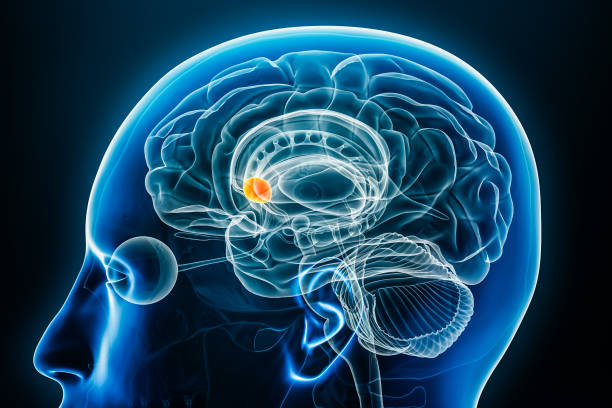
Neurological disorders affect millions of people worldwide, often leading to chronic pain, movement disorders, epilepsy, and other conditions that significantly impact quality of life. While medications remain the first line of treatment for many patients, they do not always provide adequate relief. This has accelerated the adoption of neurostimulator devices, which deliver targeted electrical stimulation to specific nerves or regions of the brain to help manage symptoms. As technology advances, these devices are becoming smaller, more precise, and increasingly personalized, offering patients a minimally invasive alternative to conventional therapies.
The demand for innovative neurological treatment solutions continues to rise due to the increasing prevalence of neurological disorders and the growing aging population. According to an analysis by MarkNtel Advisors, the neurological device industry analysis forecasts steady growth between 2026 and 2032, supported by continuous technological advancements, expanding clinical applications, and increasing healthcare investments. These factors are encouraging healthcare providers to adopt advanced neurostimulation therapies across hospitals and specialized treatment centers.
Understanding Neurostimulator Devices
Neurostimulator devices are implantable or external medical systems designed to send controlled electrical impulses to nerves or targeted regions of the nervous system. These electrical signals help regulate abnormal nerve activity, reducing pain or improving neurological function depending on the condition being treated.
Several types of neurostimulator devices are currently used in clinical practice, including:
- Spinal Cord Stimulators (SCS)
- Deep Brain Stimulators (DBS)
- Sacral Nerve Stimulators
- Vagus Nerve Stimulators (VNS)
- Peripheral Nerve Stimulators
Each therapy targets specific neurological conditions and is tailored to individual patient needs.
Growing Burden of Neurological Disorders
One of the primary factors driving demand is the increasing number of patients diagnosed with neurological disorders worldwide. Conditions such as Parkinson's disease, epilepsy, chronic back pain, dystonia, essential tremor, and treatment-resistant depression continue to affect millions of individuals.
As populations age, healthcare systems are witnessing higher incidences of neurodegenerative diseases. Since many patients eventually experience limited effectiveness from medication alone, physicians are increasingly considering neurostimulation therapies that provide long-term symptom management with fewer systemic side effects.
Technological Advancements Driving Innovation
Modern neurostimulator devices have evolved significantly over the past decade. Manufacturers are focusing on improving battery life, device miniaturization, wireless programming, MRI compatibility, and adaptive stimulation technologies.
Artificial intelligence and advanced software algorithms are also enhancing therapy personalization. Closed-loop neurostimulation systems can automatically adjust electrical stimulation based on patient feedback or physiological signals, improving treatment outcomes while reducing unnecessary stimulation.
Rechargeable batteries and remote monitoring capabilities further improve patient convenience by reducing replacement surgeries and allowing physicians to optimize therapy without frequent hospital visits.
Expanding Clinical Applications
Originally developed to treat chronic pain and movement disorders, neurostimulator devices are now being evaluated for a broader range of neurological and psychiatric conditions.
Researchers continue investigating their effectiveness in managing:
- Treatment-resistant depression
- Obsessive-compulsive disorder
- Migraine disorders
- Alzheimer's disease
- Stroke rehabilitation
- Urinary and bowel dysfunction
The expansion of approved indications is creating new opportunities for healthcare providers and medical device manufacturers alike.
Role of Minimally Invasive Procedures
Patients and healthcare professionals increasingly prefer minimally invasive treatment options whenever possible. Compared to extensive surgical procedures, many neurostimulation therapies involve relatively shorter recovery times, reduced hospital stays, and improved patient comfort.
Advances in surgical navigation, imaging technologies, and electrode placement techniques have also improved procedural accuracy, contributing to better clinical outcomes and fewer complications.
Challenges Affecting Wider Adoption
Despite significant progress, several challenges continue to influence the adoption of neurostimulator devices.
- High treatment and implantation costs
- Limited reimbursement coverage in certain regions
- Need for specialized neurosurgeons and trained clinicians
- Regulatory approval complexities
- Patient awareness regarding advanced treatment options
Addressing these barriers through improved reimbursement policies, physician training, and patient education will be essential for expanding accessibility worldwide.
Regional Outlook
North America continues to represent one of the leading regions for neurostimulator device adoption due to advanced healthcare infrastructure, favorable reimbursement systems, and ongoing research initiatives. Europe also maintains strong demand supported by growing investments in neurological care.
Meanwhile, Asia-Pacific is emerging as one of the fastest-growing regions. Rising healthcare expenditure, expanding hospital infrastructure, increasing awareness of neurological disorders, and improving access to advanced medical technologies are encouraging broader adoption across developing economies.
Future Opportunities
The future of neurostimulator devices extends beyond symptom management. Researchers are exploring personalized neuromodulation therapies that integrate wearable monitoring devices, artificial intelligence, cloud-based data analytics, and digital health platforms.
Future innovations may enable real-time adaptive stimulation tailored to each patient's neurological activity, improving treatment precision while minimizing side effects. Continued collaboration among healthcare providers, technology companies, and research institutions is expected to accelerate the development of next-generation neurostimulation systems.
Conclusion
Neurostimulator devices are reshaping the treatment landscape for neurological disorders by offering patients effective alternatives when traditional therapies are insufficient. Continuous technological innovation, expanding therapeutic applications, and increasing awareness among healthcare professionals are supporting sustained adoption across global healthcare systems.
As research continues to unlock new clinical possibilities, neurostimulation technologies are expected to play an increasingly important role in personalized neurological care. Healthcare organizations, investors, and industry stakeholders seeking deeper insights into emerging opportunities, competitive developments, and long-term forecasts can benefit from comprehensive research published by MarkNtel Advisors on this evolving sector.

 Arabic
 French
 Spanish
 Portuguese
 Deutsch
 Turkish
 Dutch
Dutch
 Italiano
 Russian
 Romaian
 Portuguese (Brazil)
 Greek
Greek
