
Laparoscopic Surgery for Older Adults: What to Consider
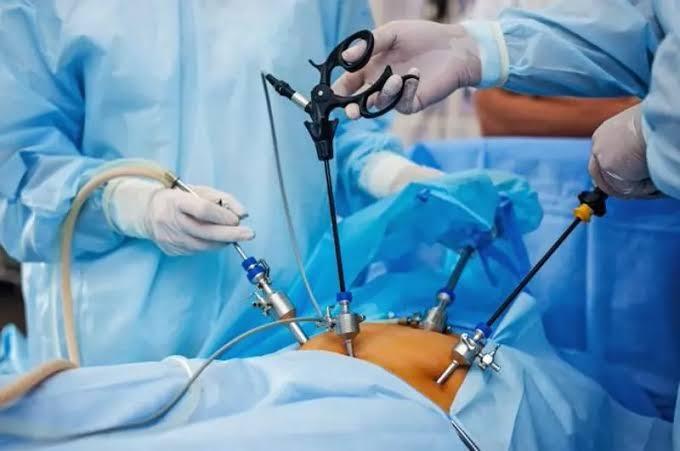
Laparoscopic surgery is a minimally invasive surgical technique that uses small incisions, a camera, and specialized instruments to treat various abdominal and pelvic conditions. For older adults, laparoscopic surgery in Islamabad may offer several advantages compared with traditional open surgery, but suitability depends on overall health, the type of procedure, and individual surgical risks. A thorough medical evaluation is essential before deciding whether minimally invasive surgery is appropriate.
What Is Laparoscopic Surgery?
Laparoscopic surgery, often called keyhole surgery, involves making several small incisions rather than one large incision. A laparoscope—a thin tube with a camera and light—is inserted through one incision, allowing the surgeon to view the internal organs on a monitor.
Specialized surgical instruments are inserted through additional small openings to perform the required procedure. Laparoscopic techniques may be used for conditions such as gallstones, hernias, appendicitis, gastrointestinal problems, and some gynecological conditions.
Why Can Laparoscopic Surgery Be Beneficial for Older Adults?
Older adults may experience a longer recovery after major open surgery because healing capacity, mobility, and underlying health conditions can vary with age. Minimally invasive surgery can potentially reduce some of the physical stress associated with larger surgical wounds.
Because laparoscopic procedures generally involve smaller incisions, patients may experience less wound discomfort and reduced tissue disruption. Smaller wounds can also make movement easier during the early recovery period.
Another potential advantage is a shorter hospital stay for suitable procedures. Getting mobile sooner can be particularly important for older patients because prolonged inactivity can contribute to complications such as muscle weakness and reduced mobility.
However, these advantages do not mean laparoscopic surgery is automatically safer for every older adult. The decision should be based on the patient's complete medical profile.
Important Health Factors to Consider
Age alone does not determine whether someone can undergo laparoscopic surgery. Surgeons usually consider the patient's overall physical condition and existing medical problems.
Conditions such as heart disease, high blood pressure, diabetes, lung disease, kidney problems, or previous abdominal surgeries may affect surgical planning. Doctors may also review current medications, allergies, previous reactions to anesthesia, and the patient's ability to remain active after surgery.
A preoperative assessment can help identify potential risks and determine whether additional tests or specialist consultations are necessary.
Understanding Anesthesia Risks
Laparoscopic procedures are commonly performed under general anesthesia. During this type of anesthesia, the patient is unconscious and receives assistance with breathing.
For older adults, the anesthesia team may pay particular attention to cardiovascular, respiratory, and other age-related considerations. The anesthesiologist reviews the patient's medical history and medications before surgery and monitors vital signs throughout the procedure.
Patients should provide complete information about all prescription medicines, over-the-counter medications, and supplements they use. Some medications may need to be adjusted before surgery, but changes should only be made according to medical advice.
Recovery After Laparoscopic Surgery
Recovery varies according to the procedure, the patient's general health, and whether complications occur. Although laparoscopic surgery generally involves smaller wounds, older adults may still require adequate time to regain strength and normal activity.
Following postoperative instructions is important. Patients may be advised to gradually increase walking and physical activity while avoiding strenuous movements until their surgeon considers them safe.
Adequate nutrition, hydration, wound care, and prescribed medications can support recovery. Family members or caregivers may also be helpful during the first few days, particularly if the patient has limited mobility or lives alone.
Possible Risks and Complications
Like every surgical procedure, laparoscopic surgery carries potential risks. These can include bleeding, infection, blood clots, reactions to anesthesia, injury to nearby organs, or complications related to the specific operation.
Some patients may also experience temporary abdominal discomfort or shoulder pain caused by the gas used to create space inside the abdomen during surgery.
Older adults with multiple medical conditions may have additional risks, which is why individualized assessment is particularly important. Patients should discuss their personal risks and expected benefits with their surgeon before proceeding.
How to Prepare for Laparoscopic Surgery
Good preparation can help make the surgical process smoother. Patients should attend all preoperative appointments and complete any recommended blood tests, imaging, or cardiac and respiratory evaluations.
The surgical team may provide instructions about fasting, medications, bathing, and activity before the procedure. Patients should also arrange transportation home and, when necessary, have someone available to assist them during the initial recovery period.
It is equally important to understand the expected recovery timeline and know which symptoms require immediate medical attention.
When Should Older Adults Seek Medical Advice?
After surgery, symptoms such as increasing pain, persistent vomiting, difficulty breathing, heavy bleeding, high fever, severe weakness, or signs of infection should be reported promptly. Patients should follow their surgeon's specific postoperative instructions rather than relying on a general recovery timeline.
Final Thoughts
Laparoscopic surgery can be an effective minimally invasive option for many older adults when appropriately selected. Smaller incisions, reduced tissue trauma, and potentially faster recovery can make it an attractive alternative to conventional open surgery for certain conditions. Nevertheless, age, medical history, medications, fitness level, and the type of surgery all need to be considered.
A consultation with an experienced laparoscopic surgeon and anesthesiology team can help determine whether the procedure is appropriate and what precautions may be required. With careful evaluation and proper postoperative care, many older patients can undergo laparoscopic procedures safely and work toward a comfortable recovery.

 Arabic
 French
 Spanish
 Portuguese
 Deutsch
 Turkish
 Dutch
Dutch
 Italiano
 Russian
 Romaian
 Portuguese (Brazil)
 Greek
Greek
