
Abdominoplasty Dubai: Understanding Recovery and Aftercare
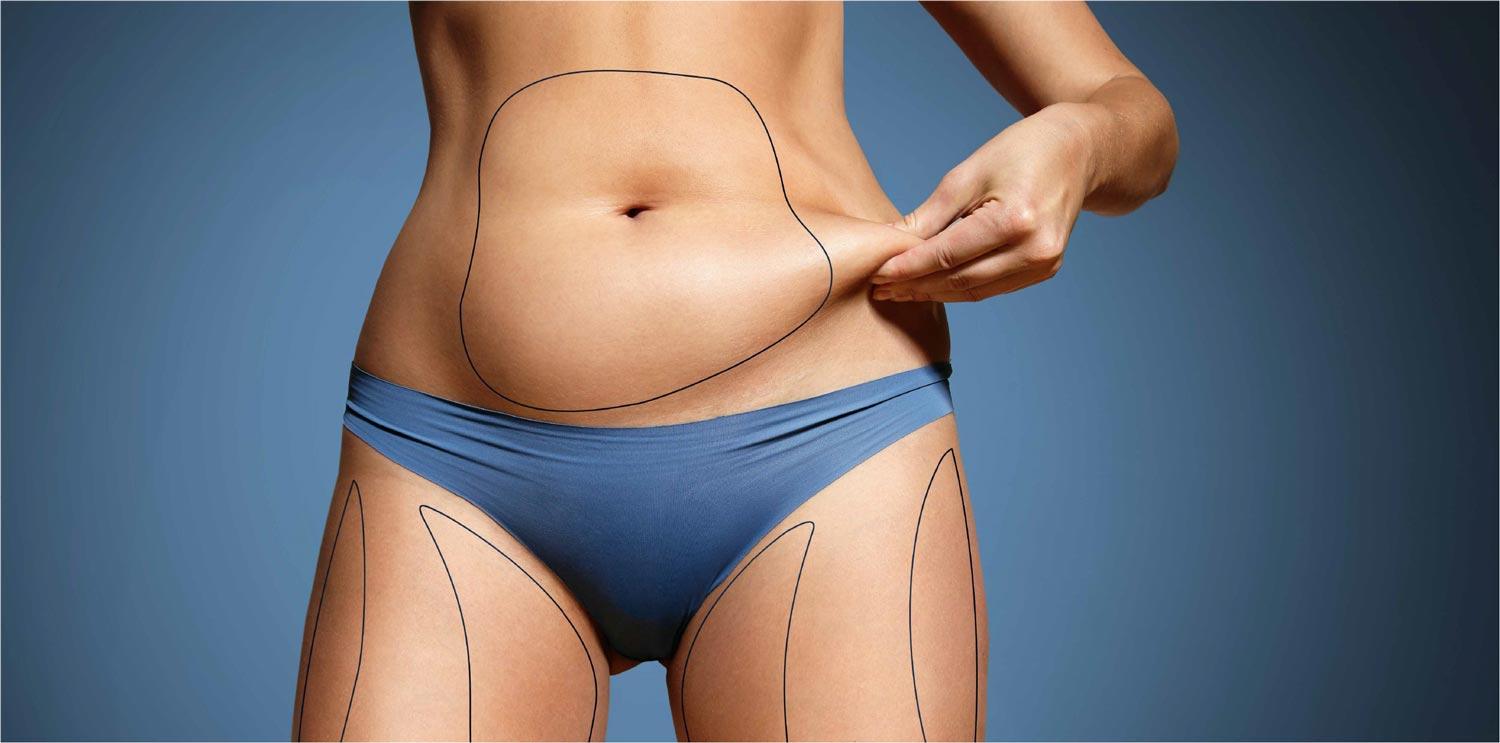
Abdominoplasty is a surgical procedure designed to reshape and contour the abdominal area by addressing excess skin and, when appropriate, underlying abdominal tissues. While much attention is often given to the procedure itself, recovery and aftercare are equally important parts of the overall treatment journey.
For people researching Abdominoplasty Dubai, understanding what happens after surgery can help with practical planning and realistic expectations. Recovery is a gradual process, and each person's experience can vary depending on the extent of the procedure, individual healing, and the instructions provided by the surgical team.
A consultation with an experienced specialist such as Dr. Shahram Sajjadi can help patients understand the procedure, expected recovery stages, and the personalised aftercare instructions that may apply to their treatment plan.
What Is Abdominoplasty?
Abdominoplasty, commonly called a tummy tuck, is a surgical procedure that focuses on reshaping the abdominal area. It can involve removing excess skin and addressing the abdominal tissues according to the patient's anatomy and surgical goals.
The procedure is not simply about changing the surface appearance of the abdomen. A surgeon evaluates the abdominal area carefully before deciding how the procedure should be performed.
Because each patient has different anatomy and expectations, the recovery process can also vary. Understanding the general stages of recovery can help patients prepare appropriately.
Why Recovery Is an Important Part of Abdominoplasty
Recovery allows the body time to heal following surgery. The early period usually involves following specific instructions concerning movement, rest, wound care, clothing, and follow-up appointments.
Patients should understand that recovery is not necessarily a linear process. Energy levels and comfort can change during the first several days and weeks.
Following the surgeon's instructions and attending scheduled appointments can help the surgical team monitor progress and provide personalised guidance throughout the recovery period.
Preparing for Recovery Before Surgery
Good aftercare planning begins before the operation. Patients can make their recovery period easier by preparing their home, arranging transportation, and organising assistance where appropriate.
Before surgery, consider preparing:
- A comfortable resting area
- Loose and easy-to-wear clothing
- Essential personal items within easy reach
- Meals and drinks that are convenient to manage
- Arrangements for transportation
- Help with household responsibilities
- Time away from work and demanding activities
Planning these details beforehand allows patients to focus more on rest and following postoperative instructions after returning home.
The First Days After Abdominoplasty
The initial days following abdominoplasty are generally focused on rest, basic mobility, and following the surgical team's instructions.
Patients may be advised to avoid unnecessary physical exertion while still engaging in appropriate gentle movement according to their surgeon's guidance.
The surgical team may provide specific instructions concerning dressings, garments, medication, bathing, and wound care.
It is important to follow these instructions exactly as provided because aftercare recommendations can vary depending on the surgical technique and individual circumstances.
Understanding Early Mobility
Movement after surgery should be approached carefully. Complete inactivity is generally not the objective; instead, patients should follow their surgeon's recommendations regarding safe and appropriate mobility.
Short, gentle movement may be incorporated according to individual instructions, while strenuous activity is typically postponed until the surgical team considers it appropriate.
Patients should not attempt to accelerate recovery by returning to demanding physical activity earlier than advised.
Caring for the Surgical Area
Aftercare instructions may include specific guidance about keeping the surgical area clean and protected.
Patients should follow their surgeon's recommendations regarding dressings, showering, wound care products, and clothing.
Avoid applying products to the surgical area unless they have been recommended by the healthcare team.
If you are unsure about how to care for the treated area, contacting your surgical clinic for clarification is preferable to relying on general online advice.
Wearing Compression Garments
Some abdominoplasty patients may be advised to wear a compression garment during part of their recovery.
The purpose, duration, and type of garment can vary depending on the surgical plan and the surgeon's recommendations.
Patients should follow the specific instructions they receive regarding when to wear the garment and how to manage it during personal care.
A compression garment should not be selected or used according to generic recommendations without discussing it with the surgical team.
Managing Everyday Activities
During the early recovery period, everyday tasks may need to be adjusted. Activities such as bending, lifting, reaching, and prolonged standing can require additional effort after abdominal surgery.
Patients can make the recovery period more manageable by keeping frequently used items nearby and arranging help with household responsibilities when necessary.
The return to normal activities should be gradual and guided by the surgeon's instructions.
Nutrition During Recovery
Adequate nutrition is an important part of general recovery after surgery. Patients should follow their healthcare provider's dietary recommendations and maintain a balanced eating routine.
Meals containing a variety of nutritious foods can support general wellbeing during the recovery period.
Staying appropriately hydrated is also important unless a healthcare professional has advised otherwise.
Rather than following restrictive diets during recovery, patients should focus on nourishing their bodies and following the advice provided by their medical team.
Rest and Sleep After Abdominoplasty
Rest is an important component of recovery. Patients may need to adjust their sleeping position or use pillows for additional support, depending on their surgeon's instructions.
The most suitable sleeping arrangement can vary between individuals and surgical techniques.
It can be helpful to prepare a comfortable sleeping and resting area before surgery so that necessary items are easy to access without excessive movement.
Returning to Work
The timing of a return to work depends on the nature of the patient's job and their individual recovery.
Someone with a desk-based role may have different requirements from a person whose work involves lifting, prolonged standing, or physical activity.
Patients should discuss their work responsibilities with their surgeon before surgery. This allows the recovery plan to take occupational demands into account.
Your surgeon can provide personalised guidance about when it is appropriate to resume work.
Resuming Exercise
Exercise should be reintroduced gradually and only according to the surgical team's guidance.
Abdominoplasty affects the abdominal area, so activities that place significant demands on the core or involve heavy lifting may require additional recovery time.
Patients should avoid using exercise as a way to speed up the recovery process. Instead, follow the staged return-to-activity plan provided by the surgeon.
Once cleared for exercise, activities can generally be increased progressively according to individual instructions.
Follow-Up Appointments
Follow-up appointments are an important part of postoperative care. These visits allow the surgeon to evaluate healing, discuss progress, and provide updated instructions.
Appointments may be scheduled at different intervals depending on the procedure and the patient's progress.
Patients should attend all recommended follow-ups and raise any questions they have about their recovery during these visits.
Regular communication with the surgical team helps ensure that aftercare remains personalised throughout the healing process.
Understanding Changes During Healing
The appearance and feel of the abdominal area can change throughout recovery. The body needs time to adjust and heal after surgery.
Patients should avoid judging the final appearance too early in the recovery process.
Your surgeon can explain the expected progression based on the specific procedure performed and your individual healing pattern.
Patience is an important part of the recovery journey because tissue healing and gradual changes occur over time.
Returning to Normal Routines
The transition back to normal routines should be gradual. Patients may progressively resume household activities, work, exercise, and social plans according to their surgeon's recommendations.
Trying to return to every activity immediately can make the recovery period unnecessarily demanding.
Instead, listen to your body, follow professional guidance, and allow adequate time between stages of activity.
Maintaining Results After Recovery
Once recovery is complete, maintaining a stable lifestyle can help patients preserve their abdominal contour.
Regular physical activity, balanced nutrition, and healthy everyday habits can support general wellbeing.
Patients should remember that abdominoplasty is a surgical contouring procedure rather than a replacement for healthy lifestyle habits.
If major changes in body weight occur after surgery, the appearance of the abdominal area may change as well.
Why Personalised Aftercare Matters
There is no universal recovery schedule that applies identically to every patient. The extent of surgery, individual anatomy, general health, surgical technique, and lifestyle can all influence recovery.
For patients researching Abdominoplasty Dubai, it is therefore important to understand that online recovery timelines are only general guidance.
A surgeon such as Dr. Shahram Sajjadi can provide instructions based on the individual's procedure and progress. Personalised guidance is particularly valuable when deciding when to return to work, exercise, travel, or other normal activities.
Choosing a Surgeon for Abdominoplasty in Dubai
Selecting a qualified and experienced surgeon is an important part of the abdominoplasty journey.
Patients can research the surgeon's qualifications, experience, consultation process, surgical approach, and communication style.
A thorough consultation should allow patients to discuss their goals, understand the proposed procedure, learn about recovery, and receive personalised aftercare instructions.
The quality of the planning and follow-up process is an important consideration when choosing an abdominoplasty provider.
Conclusion
Recovery and aftercare are essential parts of the abdominoplasty journey. From preparing your home and arranging support to following wound-care instructions, managing activity, attending follow-up appointments, and gradually returning to everyday routines, each stage contributes to an organised recovery process.
For individuals considering Abdominoplasty Dubai, understanding the recovery period before surgery can help with realistic planning and better preparation. Every patient heals differently, so postoperative instructions should always be based on the advice of their own surgical team.
Working with a qualified specialist such as Dr. Shahram Sajjadi can provide patients with an opportunity to discuss their individual procedure and receive guidance that reflects their anatomy, surgical plan, and recovery progress.
With appropriate preparation, careful aftercare, regular follow-up, and patience, patients can approach their recovery with greater confidence and a clearer understanding of what the journey involves.
Frequently Asked Questions
How long does recovery after abdominoplasty take?
Recovery varies from person to person. Your surgeon can provide a personalised timeline based on the extent of surgery, your general health, and how your body progresses through healing.
What should I prepare before abdominoplasty?
Arrange transportation, prepare a comfortable resting area, organise convenient meals, and plan time away from work and demanding activities. You may also want to arrange assistance with household tasks.
When can I return to work after abdominoplasty?
The timing depends on your occupation and recovery. Desk-based work may have different requirements from physically demanding jobs. Your surgeon can advise you according to your circumstances.
Can I exercise after a tummy tuck?
Exercise should be resumed gradually and only when your surgeon advises that it is appropriate. Activities involving significant abdominal effort or heavy lifting may require additional time.
Do I need to wear a compression garment?
Some patients are advised to wear a compression garment during recovery. Your surgeon will explain whether one is appropriate, which type to use, and how long it should be worn.
How should I care for the surgical area?
Follow the wound-care, dressing, bathing, and garment instructions provided by your surgical team. Do not apply products to the area unless they have been recommended by your healthcare provider.
Why are follow-up appointments important?
Follow-up appointments allow the surgical team to assess your recovery, answer questions, and update your aftercare instructions as healing progresses.
Can I travel after abdominoplasty?
Travel plans should be discussed with your surgeon before making arrangements. The appropriate timing depends on the procedure, recovery progress, travel distance, and follow-up requirements.
How should I sleep after abdominoplasty?
Your surgeon can recommend a suitable sleeping position based on your procedure and recovery. Preparing a comfortable resting area before surgery can make the early recovery period easier.
Will my abdomen look different during recovery?
The abdominal area can change in appearance as the body heals. Your surgeon can explain the expected progression and help you understand why the final appearance should not be judged immediately after surgery.
Is nutrition important during recovery?
A balanced diet and appropriate hydration support general wellbeing during recovery. Follow any dietary recommendations provided by your healthcare professional.
Can I resume normal activities immediately?
Normal activities should be resumed gradually and according to your surgeon's instructions. Work, exercise, lifting, and other activities may each have different timelines.
Why is personalised aftercare important?
Every patient has different anatomy, surgical requirements, and recovery patterns. Personalised aftercare instructions ensure that recommendations are appropriate for the individual's procedure and healing progress.

 English
 Arabic
 French
 Spanish
 Portuguese
 Deutsch
 Turkish
 Dutch
Dutch
 Russian
 Romaian
 Portuguese (Brazil)
 Greek
Greek
