
Quality Rebuilding for Better Battery Efficiency
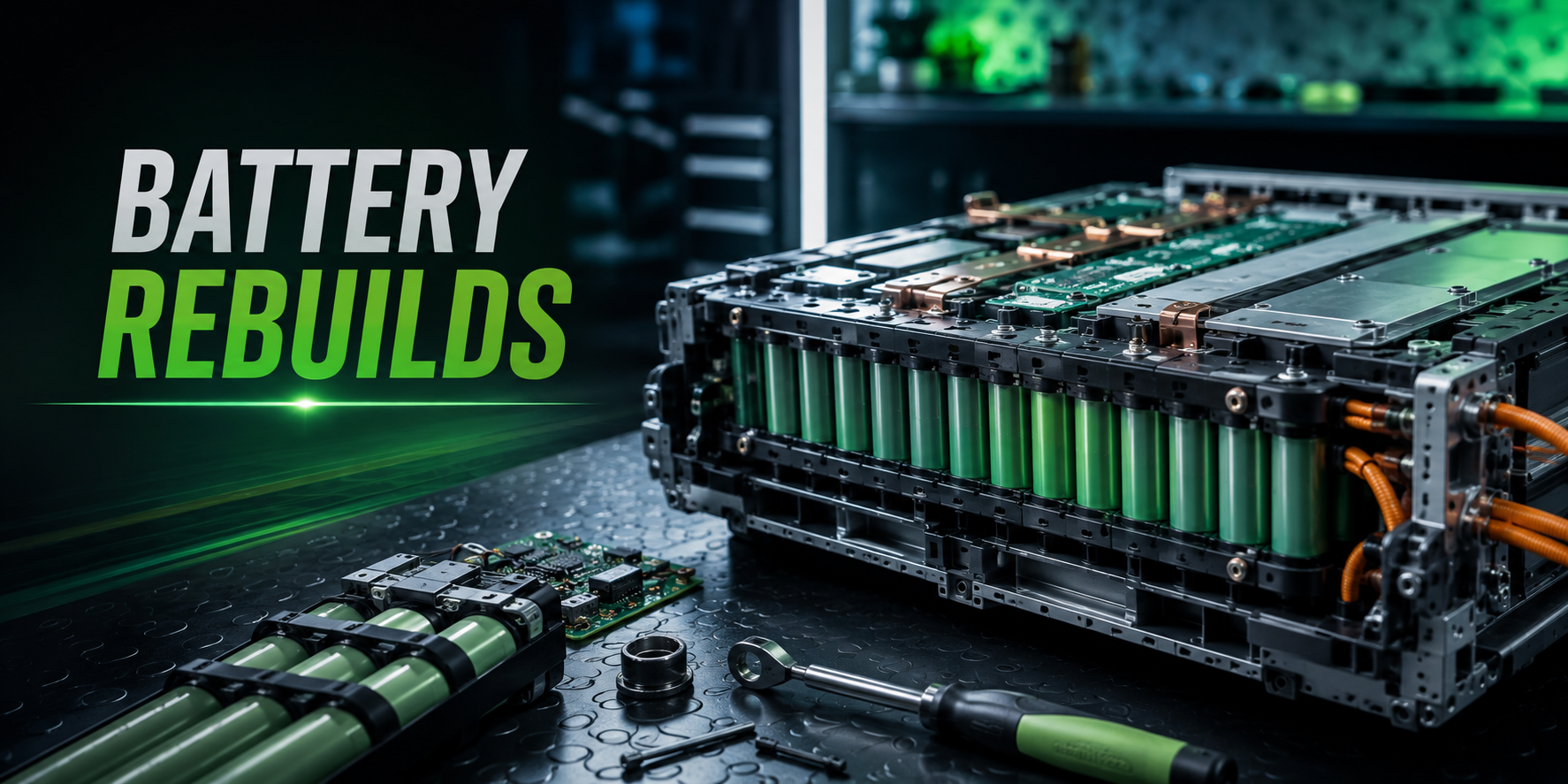
Modern transportation has shifted significantly toward efficiency and environmental responsibility. Hybrid vehicles represent a major milestone in this evolution by combining internal combustion engines with electric propulsion systems. At the heart of every hybrid car sits a sophisticated energy storage unit that powers the electric motor and captures regenerative braking energy. Maintaining this crucial component ensures optimal fuel economy and smooth daily operation. Vehicle owners often wonder how to maximize the operational lifespan of their power systems and what steps to take when performance begins to drop. Proper education regarding hybrid technology empowers drivers to make smart choices regarding vehicle upkeep and preventive care.
Hybrid systems rely heavily on advanced energy storage technologies. Most older and standard models utilize nickel metal hydride chemistry, while newer models increasingly feature lithium ion cells. Each chemistry offers unique advantages regarding energy density, thermal stability, and charge discharge cycles. Despite robust engineering, these power units degrade gradually over years of operation. Exposure to extreme ambient temperatures, frequent deep discharging, and heavy traffic conditions accelerate wear and tear inside the individual modules. Understanding these degradation factors helps drivers adopt better driving habits that minimize stress on the electrical architecture.
When drivers experience declining fuel economy or warning lights on the dashboard, they often face a choice between purchasing a brand new replacement pack or opting for battery rebuilds to restore original performance levels. Addressing battery issues early prevents secondary strain on the inverter and electric motor. Recognizing the initial symptoms of pack failure saves vehicle owners considerable money and avoids unexpected roadside breakdowns. Professional diagnostic testing can pinpoint exact voltage imbalances and weak individual modules within the assembly.
Detailed Examination of Hybrid Battery Chemistry and Degradation
The chemical reactions inside a hybrid energy storage pack determine how efficiently the vehicle operates under various driving conditions. Nickel metal hydride chemistry has proven remarkably durable over decades of automotive use, offering reliable energy delivery and stable thermal characteristics. However, these systems are susceptible to memory effects and gradual capacity loss if not cycled regularly. Lithium ion alternatives provide higher energy density and faster charging capabilities, making them popular in modern hybrid designs. Regardless of chemistry, all packs experience internal resistance increases as they age.
Thermal management plays a vital role in slowing down chemical degradation. Hybrid vehicles typically utilize specialized cooling fans and ducting to maintain optimal operational temperatures for the energy storage modules. When cooling passages become clogged with dust and debris, internal temperatures rise significantly during operation. Elevated temperatures accelerate chemical breakdown and lead to premature cell failure. Regular inspection of the thermal cooling system ensures that heat dissipates efficiently, thereby preserving the structural integrity of the individual modules inside the pack.
State of charge management also dictates overall battery health. The vehicle computer continuously monitors the charge level to prevent deep discharging or overcharging, both of which damage the internal plates and chemistry. Driving habits that involve frequent heavy acceleration followed by abrupt braking place continuous demands on the electrical system. Over time, imbalances develop between individual modules, meaning some cells hold less charge than others. When an imbalance reaches a critical threshold, the vehicle computer triggers warning lights, signaling the need for professional evaluation and corrective action.
How Hybrid Vehicle Power Units Operate
To truly appreciate the necessity of proper maintenance, one must understand the underlying mechanics of hybrid energy storage. Most hybrid models utilize nickel metal hydride or lithium ion chemistry within their cell structures. These advanced chemical formulations allow the pack to absorb massive surges of energy generated during regenerative braking and release that energy instantly when the driver presses the accelerator pedal. A sophisticated computer management system continuously monitors voltage levels, temperature thresholds, and state of charge across every individual module within the pack.
Thermal regulation plays a critical role in preserving pack longevity. Excessive heat is the primary enemy of chemical storage cells, accelerating degradation and reducing overall capacity. Hybrid manufacturers incorporate specialized cooling fans and air ducts to maintain optimal operating temperatures. When dust and debris accumulate within these cooling pathways, internal temperatures rise, leading to premature cell failure. Routine inspection and cleaning of the cooling system represent vital steps in preventing catastrophic pack failure and ensuring reliable daily operation.
Identifying Common Symptoms of Hybrid Battery Failure
Recognizing early warning signs of hybrid battery degradation allows vehicle owners to address problems before complete failure occurs. One of the most noticeable indicators is a sudden and unexplained drop in fuel economy. When the energy storage pack loses capacity, the internal combustion engine must run more frequently to provide propulsion and generate electricity, resulting in increased fuel consumption. Drivers might also observe that the battery charge indicator on the dashboard fluctuates erratically, moving from full to empty in a very short span of time.
Another common symptom involves the frequency and duration of electric only driving modes. In a healthy hybrid vehicle, the car frequently shuts off the gas engine during coasting or low speed cruising, relying solely on electric power. As the energy storage capacity diminishes, the vehicle computer keeps the gas engine running to compensate for the weak power reserve. Furthermore, drivers may experience sluggish acceleration or notice that the engine works harder than usual when climbing hills. Diagnostic trouble codes stored in the vehicle computer often point directly to voltage variances or module degradation within the hybrid assembly.
Comprehensive Overview of Battery Restoration and Reconditioning Methods
When hybrid battery performance declines, replacement is not the only viable solution available to vehicle owners. Professional reconditioning involves disassembling the battery pack to evaluate every individual module. Technicians test each module for internal resistance, capacity, and voltage retention. Modules that fall below acceptable standards are either replaced with healthy units or subjected to specialized cycling procedures that break down crystalline buildup on the internal plates.
Balancing the pack is another critical step in the restoration process. Over time, individual modules drift out of synchronization regarding their state of charge. Technicians use specialized computerized equipment to bring all modules to an identical voltage level, ensuring harmonious operation when reinstalled in the vehicle. This meticulous process restores the overall amp hour capacity and power output of the assembly, allowing the hybrid system to function as efficiently as a brand new unit at a fraction of the cost.
Why Expert Care Matters for Your Hybrid Investment
Working with high voltage automotive systems involves significant safety risks and technical complexity. Attempting unauthorized repairs without proper protective gear and specialized diagnostic tools can lead to severe electrical shock or permanent damage to the vehicle computer network. Professional service providers possess the necessary training, safety equipment, and technical expertise to handle these powerful systems safely and effectively.
Entrusting your vehicle to knowledgeable specialists guarantees accurate diagnosis and precise execution of repair procedures. Professionals understand the subtle nuances of different hybrid models, ensuring that every service meets the highest industry standards. By relying on experienced technicians, vehicle owners protect their financial investment and enjoy peace of mind knowing their automobile is operating safely and efficiently.
Evaluating New Replacements Versus Reconditioned Energy Storage Solutions
Choosing between a brand new replacement pack and a reconditioned unit involves balancing financial considerations with long range performance expectations. Brand new assemblies offer factory freshness and extended warranties, but they come with a substantial price tag that can sometimes exceed the overall market value of an older vehicle. For budget conscious drivers, opting for professionally restored energy storage solutions provides an economical alternative without compromising reliability or fuel efficiency.
Quality assurance remains paramount regardless of the chosen path. Reputable service providers utilize rigorous testing protocols to ensure that every restored module meets strict performance benchmarks before installation. Warranties provided on reconditioned units give vehicle owners peace of mind, demonstrating confidence in the craftsmanship and durability of the restoration work. Evaluating the age, mileage, and general condition of the vehicle helps owners determine the most logical investment for their automotive needs.
Exploring Professional Reconditioning Options
When degradation symptoms become severe, vehicle owners face critical decisions regarding repair strategies. Dealerships typically recommend purchasing a brand new replacement unit, which comes with a substantial price tag that often exceeds the current resale value of older vehicles.
Fortunately, advanced automotive technology has paved the way for specialized restoration services. Skilled technicians utilize diagnostic equipment to identify weak modules, test electrical resistance, and replace faulty components with rigorously tested cells.
Practical Maintenance Strategies to Protect Your Hybrid Powertrain
Proactive maintenance significantly extends the operational lifespan of a hybrid vehicle energy storage pack. Keeping the cooling system clean is one of the most effective preventive measures a driver can take. Dust, pet hair, and debris frequently accumulate around the intake vents and cooling fans, restricting airflow and causing the battery to overheat. Periodic cleaning of these intake pathways prevents thermal stress and protects delicate internal electronics.
Driving style also influences battery longevity. Smooth acceleration and gradual braking allow the regenerative system to capture energy efficiently without subjecting the electrical architecture to sudden surges. Avoiding extended parking periods in extreme heat without adequate shelter helps prevent thermal degradation. If a vehicle must remain parked for an extended duration, starting it periodically or maintaining a moderate charge level safeguards the chemistry against severe voltage drops.
Preventive Maintenance Best Practices for Long Term Reliability
Proactive care significantly extends the operational lifespan of hybrid vehicle components. Owners should adopt specific habits that minimize stress on the electrical storage system. Parking in shaded areas during hot summer months protects the vehicle from excessive heat buildup, safeguarding sensitive internal chemistry.
Furthermore, keeping the cabin air filter and hybrid battery cooling intake clean ensures uninterrupted airflow, preventing thermal overload during heavy traffic or steep hill climbs.
Economic and Environmental Advantages of Sustainable Battery Stewardship
Choosing battery restoration over outright replacement offers profound benefits for both personal finances and environmental conservation. Manufacturing brand new energy storage packs requires mining rare earth metals, processing raw materials, and consuming significant industrial energy.
Reconditioning existing modules reduces electronic waste and extends the life cycle of valuable components. This sustainable approach minimizes the environmental footprint associated with automotive ownership while delivering substantial cost savings to consumers.
Frequently Asked Questions
How long does a typical hybrid vehicle battery last?
Most hybrid batteries are designed to last between eight to fifteen years or one hundred fifty thousand to two hundred thousand miles, depending on driving habits, climate conditions, and maintenance history.
Can a failing hybrid battery be repaired instead of replaced?
Yes, failing hybrid batteries can often be repaired through professional reconditioning, which involves testing individual modules, replacing weak cells, and rebalancing the entire assembly.
What causes a hybrid battery to fail prematurely?
Premature hybrid battery failure is primarily caused by extreme ambient temperatures, clogged cooling fans, frequent deep discharging, and lack of routine maintenance.
Will a bad hybrid battery damage other vehicle components?
Operating a vehicle with a severely degraded hybrid battery places extra strain on the inverter, electric motor, and internal combustion engine, potentially leading to more expensive mechanical repairs.
How can I improve my hybrid vehicle fuel economy if the battery is aging?
Improving fuel economy with an aging battery involves practicing smooth acceleration, maintaining proper tire pressure, cleaning the battery cooling fan vents, and scheduling a professional diagnostic inspection.
Conclusion
Maintaining the energy storage system of a hybrid vehicle ensures reliable transportation, optimal fuel efficiency, and long term savings on automotive expenses. Understanding how these advanced power packs operate and recognizing the early indicators of wear empowers vehicle owners to make informed decisions regarding their upkeep.

 English
 French
 Spanish
 Portuguese
 Deutsch
 Turkish
 Dutch
Dutch
 Italiano
 Russian
 Romaian
 Portuguese (Brazil)
 Greek
Greek
