
Root Canal Treatment in Dubai: Signs You Need It
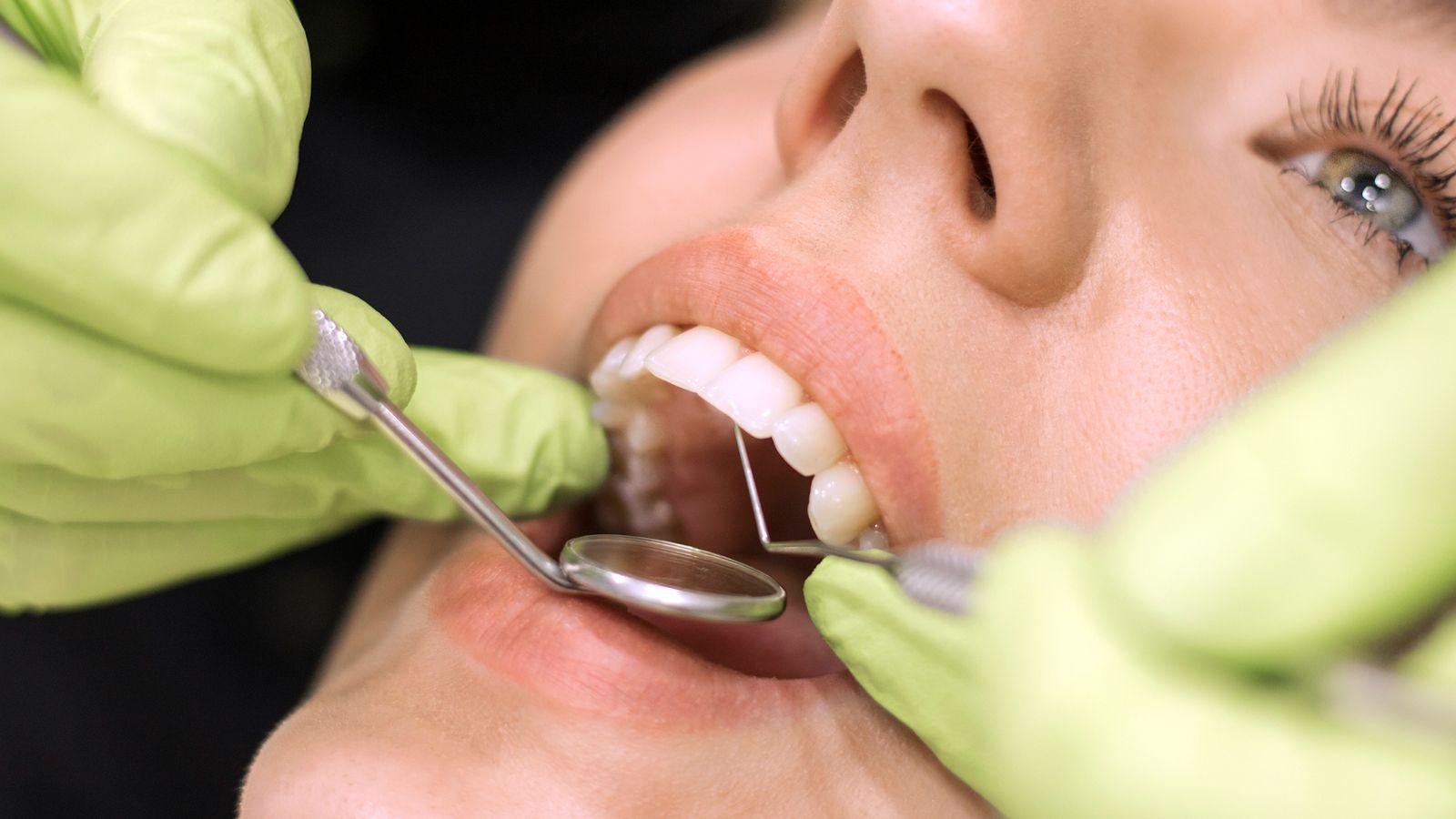
Tooth pain or unusual sensitivity can sometimes be an early warning sign of a deeper dental problem. Root Canal Treatment in Dubai may be recommended when the pulp inside a tooth becomes severely inflamed or infected. A qualified dental clinic in dubai can examine your symptoms and determine whether root canal therapy is appropriate or whether another treatment would better address the problem.
What Is Root Canal Treatment?
Root canal treatment is an endodontic procedure used to treat infection or serious inflammation inside a tooth.
The inner pulp contains nerves and blood vessels. Deep decay, cracks, trauma, or repeated dental procedures can damage this tissue.
During treatment, the affected pulp is removed, the root canals are cleaned and disinfected, and the tooth is sealed before receiving an appropriate restoration.
Sign 1: Persistent Toothache
One of the most common warning signs is tooth pain that does not go away.
The pain may be continuous or may occur without an obvious trigger. It can sometimes become worse when lying down or while chewing.
Persistent pain does not automatically mean you need a root canal, but it should be evaluated by a dentist.
Sign 2: Prolonged Sensitivity to Hot or Cold
Temporary sensitivity can occur for several reasons.
However, if pain from hot or cold foods or drinks continues after the source has been removed, it may indicate inflammation within the pulp.
A dental examination can help determine whether the sensitivity is related to the pulp or another condition.
Sign 3: Pain When Biting
Pain when biting or applying pressure to a tooth can be associated with pulp inflammation, infection, a crack, or problems around the tooth's supporting tissues.
If biting pain persists, the dentist may perform diagnostic tests and imaging to identify its cause.
Sign 4: Swollen Gums
Swelling around a specific tooth can occur when infection has spread beyond the root.
The area may feel tender, and the gum can appear red or swollen.
Swelling should not be ignored because dental infections can sometimes progress beyond the original tooth.
Sign 5: A Darkened Tooth
A tooth that becomes noticeably darker than surrounding teeth can sometimes indicate previous trauma or damage to the pulp.
Not every discolored tooth requires root canal treatment, but a change in color should be assessed by a dentist.
The cause may need to be determined before any cosmetic treatment is considered.
Sign 6: Tenderness Around the Tooth
The tissues surrounding an infected tooth may become sensitive to pressure.
You may notice discomfort when touching the gum near the affected tooth or when chewing.
This symptom can have several causes, so professional diagnosis is important.
Sign 7: A Pimple or Drainage on the Gum
A small bump on the gum near a tooth can sometimes be associated with an infection.
Drainage may temporarily reduce pressure and pain, but it does not necessarily mean the infection has resolved.
A dentist should evaluate any recurring swelling, drainage, or unusual gum lesion.
Sign 8: Deep Tooth Decay
A cavity that has progressed deep into a tooth can reach the pulp.
At this stage, a regular filling may not be sufficient to restore the tooth.
The dentist will assess the remaining tooth structure and pulp condition before deciding whether root canal therapy is appropriate.
Sign 9: Cracked or Damaged Tooth
A crack can create a pathway for bacteria to reach the inner part of a tooth.
Symptoms may include pain while chewing, sensitivity, or intermittent discomfort.
The treatment depends on the location and extent of the crack. Some teeth can be treated and restored, while others may not be suitable for preservation.
Sign 10: Previous Dental Trauma
A strong impact to a tooth can damage the pulp.
Symptoms may appear immediately or develop months or even years after the injury.
If a previously injured tooth becomes painful, discolored, or sensitive, dental evaluation is recommended.
Can a Tooth Infection Exist Without Pain?
Yes. Some infected teeth may produce few noticeable symptoms.
The absence of pain does not always mean that the pulp and surrounding tissues are healthy.
Routine dental examinations can help identify problems that have not yet produced obvious symptoms.
Why Does Pulp Become Infected?
The pulp can become infected when bacteria gain access through deep decay, cracks, fractures, or other openings in the tooth.
Repeated dental procedures can also affect the pulp in some situations.
Once the pulp is severely damaged, it may not recover without treatment.
How Is the Problem Diagnosed?
The dentist reviews your symptoms and examines the tooth.
Dental X-rays may be used to assess the roots and surrounding bone. Additional tests can help determine how the pulp responds to temperature, pressure, or other stimuli.
A proper diagnosis helps avoid unnecessary treatment.
What Happens During Root Canal Treatment?
The procedure is normally performed under local anesthesia.
The dentist accesses the pulp chamber, removes the damaged tissue, cleans and shapes the root canals, and seals them.
A temporary or permanent restoration is then placed depending on the treatment plan.
Is Root Canal Treatment Painful?
Local anesthesia is used to make the procedure comfortable.
Some tenderness can occur after treatment, particularly when the tooth was already infected or inflamed.
If discomfort becomes severe or continues to worsen, contact your dental professional for assessment.
What Happens If You Delay Treatment?
An untreated pulp infection can potentially spread into the surrounding tissues.
Infection may result in swelling, an abscess, bone damage, or other complications.
Pain can also disappear temporarily if the pulp loses vitality, but this does not necessarily indicate that the infection has gone away.
Can Root Canal Treatment Save the Tooth?
When the tooth has enough healthy structure and can be properly restored, root canal therapy can often help preserve it.
Saving a natural tooth may help maintain chewing function and reduce the immediate need for tooth replacement.
If the tooth cannot be restored predictably, extraction may be considered.
What Happens After Treatment?
The tooth may be sensitive for a short period.
Follow your dentist's recommendations regarding oral hygiene, eating, medication, and follow-up appointments.
If a crown or other permanent restoration is recommended, completing it can help protect the treated tooth from fracture.
How to Reduce the Risk of Future Infection
Good oral hygiene can help prevent the deep decay that can lead to pulp infection.
Brush twice daily with fluoride toothpaste, clean between your teeth, reduce frequent sugary foods and drinks, and attend routine dental checkups.
Protective mouthguards can also help reduce dental injuries during certain sports.
Choosing a Dental Clinic in Dubai
When looking for Root Canal Treatment in Dubai, consider the dentist's qualifications, relevant experience, diagnostic technology, hygiene standards, and treatment approach.
Ask the dental team to explain your diagnosis, treatment alternatives, expected appointments, restoration requirements, and aftercare.
A detailed consultation can help you understand whether root canal therapy is suitable for your tooth.
Conclusion
Persistent toothache, prolonged temperature sensitivity, pain when biting, swelling, gum tenderness, tooth discoloration, and signs of infection can indicate a dental problem that requires professional assessment. These symptoms do not always mean that root canal treatment is necessary, but they should not be ignored.
If you notice possible warning signs and are considering Root Canal Treatment in Dubai, a qualified dental clinic in dubai can examine the affected tooth and identify the appropriate treatment. Early diagnosis and timely care can help protect your natural tooth and reduce the risk of more complicated dental problems.

 English
 Arabic
 French
 Spanish
 Portuguese
 Deutsch
 Turkish
 Dutch
Dutch
 Italiano
 Russian
 Romaian
 Greek
Greek
