
Teeth Cleaning in Dubai: Professional Cleaning Explained
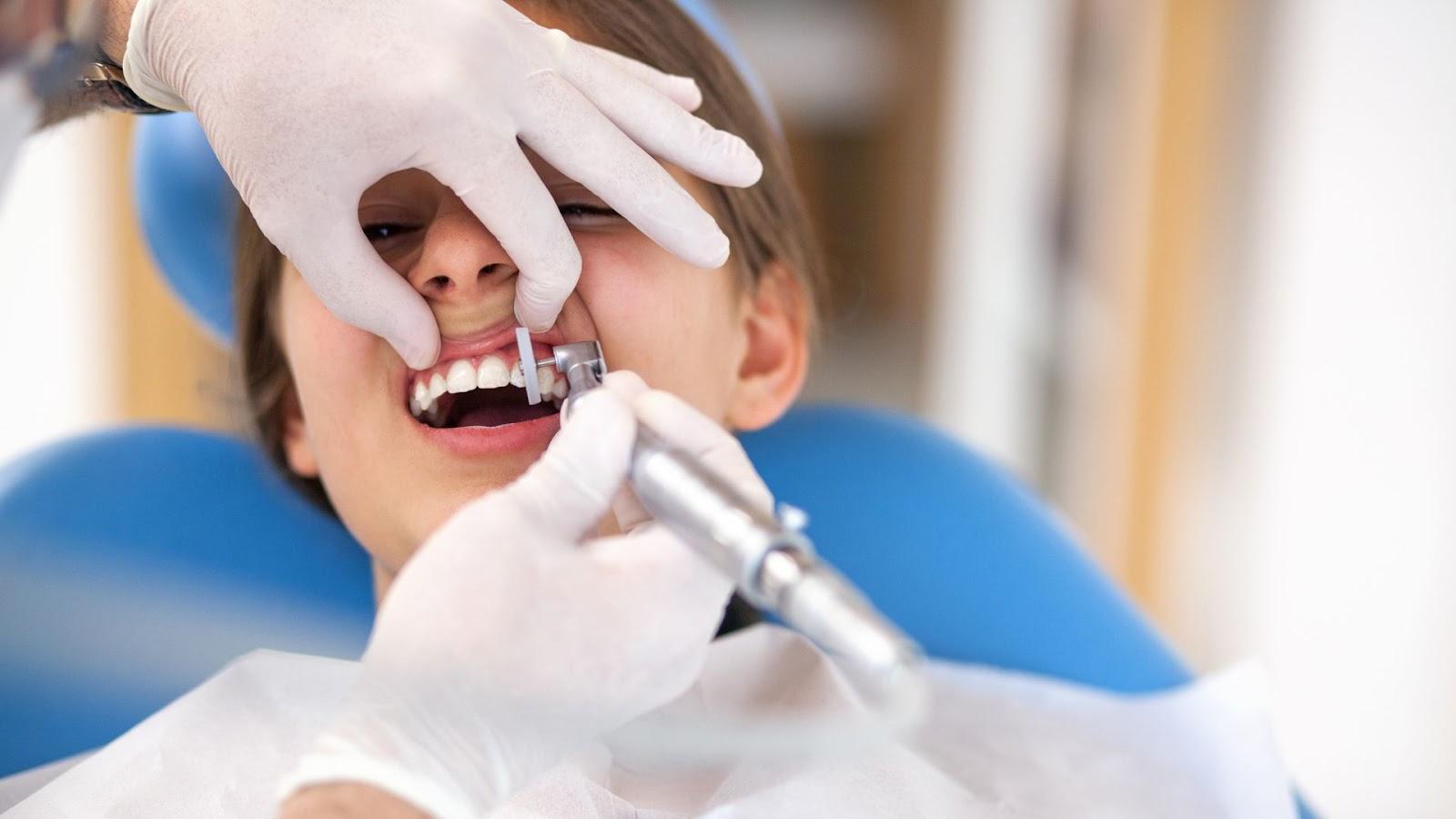
Good oral hygiene starts at home, but brushing and cleaning between teeth may not remove every deposit from the mouth. Hardened tartar and certain surface stains often require professional attention. Teeth Cleaning in Dubai provides a preventive approach to removing these deposits and supporting healthier teeth and gums. A qualified dental clinic in dubai can examine your oral condition and determine the type of cleaning that is appropriate for your teeth, gums, and overall dental health.
What Is Professional Teeth Cleaning?
Professional teeth cleaning is a routine dental procedure that focuses on removing plaque, tartar, and certain external stains from tooth surfaces.
The process commonly includes an examination, scaling, polishing, and oral hygiene guidance. However, the exact procedure depends on the patient's dental condition.
Patients with advanced gum problems may need periodontal treatment rather than a standard cleaning.
Why Is Professional Cleaning Necessary?
Plaque is constantly forming on teeth. Brushing and flossing remove much of this buildup, but some areas can be difficult to reach.
When plaque remains on tooth surfaces, it can harden into tartar. Hardened tartar cannot normally be removed with a toothbrush and requires professional scaling.
Regular professional care helps control these deposits and supports a healthier mouth.
Understanding Dental Plaque
Plaque is a sticky film containing bacteria that forms naturally on teeth.
It can accumulate along the gumline, between teeth, and around dental restorations. If not removed regularly, plaque may contribute to tooth decay and gum inflammation.
Daily brushing and interdental cleaning are the first line of defense against plaque buildup.
Understanding Tartar
Tartar, also known as dental calculus, is hardened plaque.
Because it is firmly attached to tooth surfaces, normal brushing cannot effectively remove it. Tartar can develop above the gumline and around areas where cleaning is difficult.
Professional scaling is used to remove this hardened material.
What Happens During a Professional Cleaning?
A professional cleaning generally begins with an examination of the teeth and gums.
The dental professional checks for plaque, tartar, staining, gum inflammation, cavities, and other visible concerns. This helps determine how much cleaning is required.
The treatment is then performed according to the patient's individual needs.
Dental Scaling Explained
Scaling is the process of removing hardened deposits from tooth surfaces.
The dental professional uses specialized instruments to carefully remove tartar from areas around the gumline and between teeth.
The duration of scaling depends on the amount of tartar present and the overall condition of the mouth.
Teeth Polishing Explained
After scaling, polishing may be performed.
Polishing smooths the tooth surfaces and can remove certain external stains caused by foods, drinks, and tobacco.
It can make teeth appear cleaner and brighter, but it is not the same as professional teeth whitening. Whitening is a separate cosmetic treatment designed to lighten tooth color.
Is Professional Cleaning Painful?
Most routine cleaning appointments are well tolerated.
Patients with sensitive teeth, gum inflammation, exposed tooth roots, or heavy tartar may experience temporary sensitivity during or after treatment.
Tell your dental professional about any sensitivity before the procedure. They can adjust the cleaning approach and provide suitable advice.
How Long Does Teeth Cleaning Take?
The appointment length varies depending on your oral health.
A patient with minimal plaque and tartar may require a relatively short appointment. More extensive buildup can require additional time.
If gum disease or significant deposits are present, the dentist may recommend a deeper cleaning procedure and multiple appointments.
Professional Cleaning and Gum Health
The condition of your gums is closely connected to plaque and tartar control.
Buildup around the gumline can cause irritation and inflammation. Signs may include redness, swelling, tenderness, or bleeding.
Professional cleaning can help control deposits, while regular dental examinations allow the dentist to monitor gum health.
Can Cleaning Prevent Gum Disease?
Professional cleaning can help reduce factors that contribute to gum inflammation, but it cannot guarantee prevention of gum disease.
Good home care, regular checkups, healthy lifestyle habits, and early treatment of gum problems are also important.
If gum disease is already present, your dentist may recommend a personalized periodontal treatment plan.
Teeth Cleaning and Tooth Decay
Plaque bacteria contribute to the processes that can lead to tooth decay.
Removing plaque regularly through brushing and professional cleaning can support cavity prevention. However, cavities can still occur, so routine dental examinations remain important.
Fluoride toothpaste and reduced frequency of sugary foods and drinks can also help protect teeth.
Can Professional Cleaning Whiten Teeth?
Professional cleaning can remove some external stains and improve the overall appearance of teeth.
However, it does not necessarily change the natural color of the enamel. Patients seeking a significantly brighter smile may need professional whitening after a dental assessment.
Your dentist can explain which option matches your cosmetic goals.
Teeth Cleaning for Smokers
Tobacco can contribute to stubborn surface staining and increase the risk of gum problems.
Professional cleaning may remove some external tobacco stains and tartar, but it does not eliminate the oral health risks associated with smoking.
If you use tobacco, discuss your oral health with your dentist and ask about appropriate preventive care.
Teeth Cleaning During Orthodontic Treatment
Braces and other orthodontic appliances can make daily cleaning more difficult.
Plaque and food particles can collect around brackets and wires. Professional cleaning can help maintain oral hygiene while teeth are being straightened.
Patients should continue following their orthodontist's home-care instructions throughout treatment.
What Should You Do After Cleaning?
Continue your regular oral hygiene routine after professional cleaning.
Brush twice daily with fluoride toothpaste and clean between your teeth. If your dentist recommends a particular mouthwash, interdental brush, or toothpaste, use it according to their instructions.
Temporary sensitivity may occur in some patients and usually requires only simple supportive care.
How Often Is Professional Cleaning Needed?
There is no universal schedule for every patient.
Your cleaning frequency depends on plaque buildup, tartar formation, gum health, oral hygiene habits, orthodontic treatment, smoking, and other individual factors.
A dentist can recommend an appropriate interval after examining your teeth and gums.
Choosing a Professional Dental Clinic
When choosing a provider for Teeth Cleaning in Dubai, look at dentist qualifications, hygiene standards, available equipment, patient communication, and preventive dental services.
The clinic should provide a clear explanation of your oral health condition and recommend treatment according to your needs.
You can also ask about the cleaning procedure, expected duration, sensitivity management, and long-term oral hygiene.
Maintaining Clean Teeth Between Appointments
Professional cleaning is only one part of maintaining oral health.
Brush twice a day, clean between teeth daily, drink water regularly, and limit frequent sugary snacks and drinks. Avoid aggressive brushing because excessive pressure can irritate gums and contribute to enamel wear.
Regular dental examinations should also remain part of your preventive care routine.
Conclusion
Professional teeth cleaning helps remove plaque, tartar, and certain surface stains that may remain despite regular home care. Scaling and polishing can improve oral cleanliness while routine examinations allow dental professionals to monitor teeth and gum health.
If you are considering Teeth Cleaning in Dubai, a qualified dental clinic in dubai can assess your mouth and recommend the appropriate cleaning approach. Combining professional care with consistent brushing, interdental cleaning, and regular checkups can help maintain healthier teeth and gums for years to come.

 English
 Arabic
 French
 Spanish
 Portuguese
 Deutsch
 Dutch
Dutch
 Italiano
 Russian
 Romaian
 Portuguese (Brazil)
 Greek
Greek
