
How Portland Trade Shows Help Businesses Build Valuable Connections
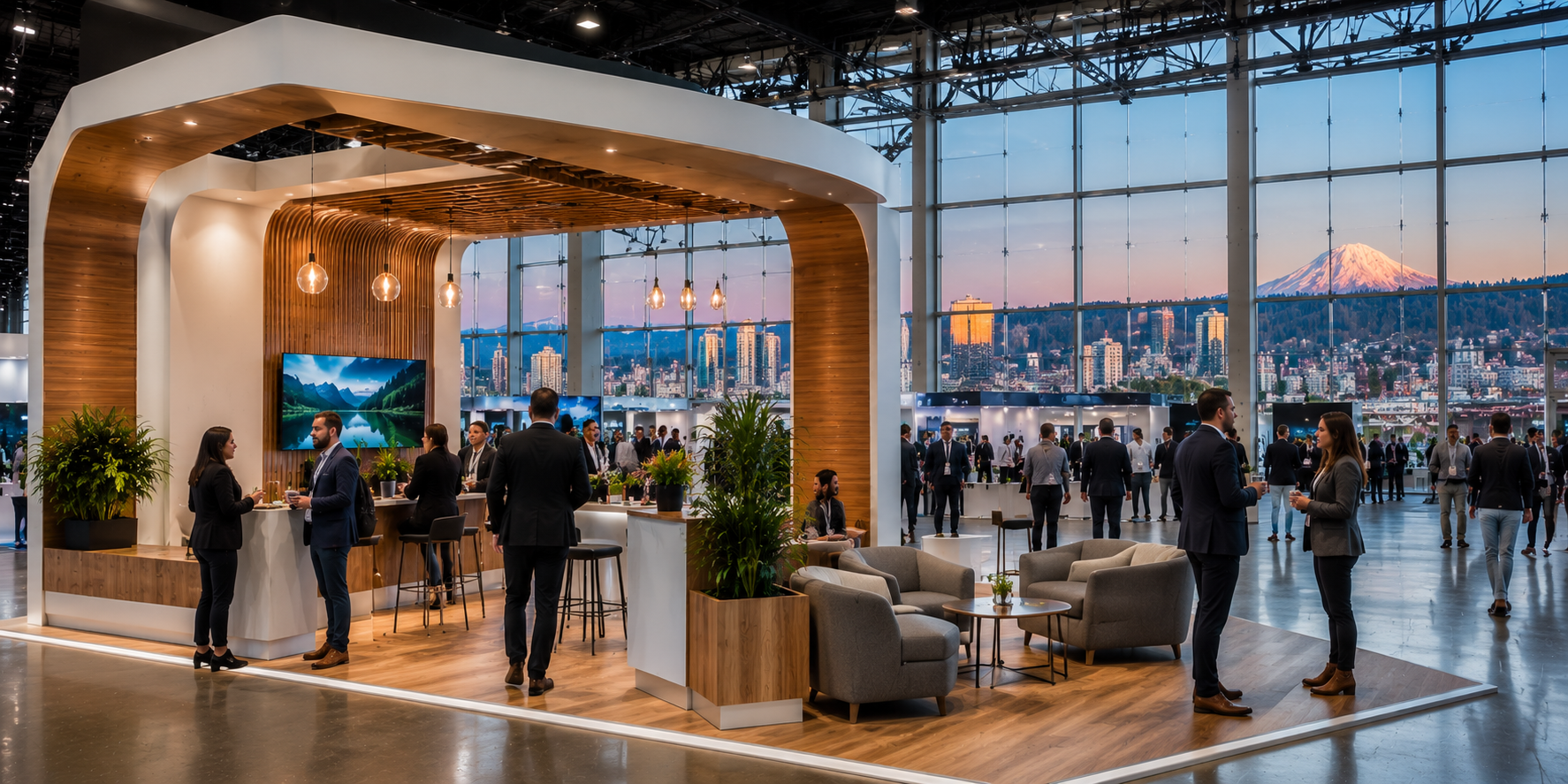
Participating in corporate exhibitions requires a meticulous approach to planning, design, and execution. Businesses invest substantial time and financial resources into developing physical spaces that reflect their corporate identity and effectively communicate their core values to a diverse audience. The Pacific Northwest business environment offers unique opportunities for companies looking to expand their market reach, connect with industry peers, and generate high quality leads. Navigating this competitive landscape demands a thorough understanding of what makes an exhibit stand out in a crowded exhibition hall. From spatial layout to graphic design choices, every single element contributes to the overall impression left on prospective clients and partners.
Creating an immersive brand experience begins long before the doors of the exhibition hall open to the public. Companies must analyze their target demographic and design their physical footprint to guide visitor flow naturally through the space. Effective booth architecture combines aesthetic appeal with functional utility, ensuring that promotional materials, product demonstrations, and staff interactions occur seamlessly. When attendees walk past rows of competing exhibits, they gravitate toward spaces that look professional, welcoming, and visually compelling. Investing in premium display solutions elevates a brand above the noise, establishing instant credibility and fostering meaningful business conversations.
When organizations prepare to showcase their latest innovations and services at a major corporate gathering, choosing the right venue and local presentation partner becomes crucial for success, especially during any major trade show portland oregon event where competition for attendee attention is exceptionally fierce and market dynamics require precise localization strategies to capture the interest of regional decision makers.
The Strategic Importance of Professional Exhibition Design
Professional exhibition design goes far beyond simply placing a company logo on a backdrop. It involves translating abstract brand concepts into tangible, physical environments that resonate with visitors on an emotional and intellectual level. When attendees step into an exhibition space, they form an opinion about the company within seconds. This initial impression dictates whether they will stop to learn more or walk away. A thoughtfully engineered display utilizes psychology, architecture, and marketing principles to draw people inward, encourage exploration, and facilitate organic conversations between potential clients and company representatives.
Furthermore, professional design ensures structural integrity and safety compliance, which are mandatory requirements in major convention centers. Working with experienced professionals eliminates the risk of structural failures, equipment malfunctions, or layout inefficiencies. Every component from flooring to overhead signage must work in absolute harmony to project stability and trustworthiness. Businesses that prioritize professional booth development consistently report higher engagement rates, longer visitor dwell times, and superior lead generation outcomes compared to those utilizing makeshift or outdated setups.
Understanding Local Market Dynamics and Visitor Expectations
Every geographic region possesses distinct business characteristics that influence how attendees interact with corporate exhibits. In the Pacific Northwest, audiences often value innovation, sustainability, authenticity, and clear communication. Exhibitors who understand these regional nuances can tailor their messaging and display elements to align directly with local values. This cultural alignment creates an immediate sense of connection, making visitors feel understood and respected. Researching attendee demographics prior to the event allows marketing teams to fine tune their presentations, product displays, and promotional giveaways for maximum relevance.
Additionally, understanding venue layouts and local logistical regulations prevents costly delays during installation and teardown. Major convention venues have specific rules regarding electrical hookups, rigging heights, and material handling. Familiarity with these guidelines ensures that the booth build goes smoothly without unexpected interruptions. By combining regional insight with flawless operational planning, exhibitors can focus their energy entirely on networking, relationship building, and closing business deals rather than troubleshooting last minute procedural hurdles.
Selecting the Ideal Display Type for Your Brand Goals
Choosing the correct display hardware is a foundational decision that impacts both budget and visual impact. Companies can choose from portable displays, modular systems, island exhibits, and fully customized permanent structures. Portable options offer unmatched convenience and cost effectiveness for businesses that attend multiple regional events throughout the year. Modular displays provide scalability, allowing companies to reconfigure their footprint depending on available floor space at different venues. Island exhibits command maximum visibility from all angles, making them ideal for large corporations seeking dominant market presence.
The selection process should be guided by long term marketing objectives, frequency of travel, storage capabilities, and budget allocations. Collaborating with knowledgeable display providers helps businesses evaluate their options objectively. These experts analyze corporate goals and recommend solutions that maximize visual appeal while maintaining financial discipline. By investing in versatile hardware, companies ensure their exhibition assets remain functional and attractive across numerous future marketing campaigns.
Maximizing Floor Space Efficiency in Modern Booths
Floor space inside bustling exhibition halls is a valuable commodity that must be utilized with absolute precision. Overcrowded booths create friction and discourage hesitant visitors from entering, while overly sparse layouts fail to convey substance or activity. Achieving the ideal balance requires strategic zoning. Dedicated areas should be established for welcoming guests, conducting product demonstrations, holding private consultations, and storing marketing literature out of sight. Every square foot should serve a distinct purpose designed to enhance the visitor experience.
Vertical space is another powerful tool that is frequently underutilized. Suspended signage, towering backdrops, and multi level structures allow brands to draw attention from across the entire exhibition hall without cluttering the floor level. Directing traffic flow through intentional placement of counters and display pedestals prevents bottlenecks and keeps the environment open and inviting. Efficient space planning ultimately translates to higher visitor turnover and more productive interactions for the entire on site team.
The Power of Visual Branding and Graphic Messaging
Visual communication remains the fastest and most effective way to convey a brand message in a noisy exhibition environment. Human beings process visual information significantly faster than text, meaning high impact graphics must do the heavy lifting when capturing attention from afar. Bold color schemes, crisp typography, and high resolution imagery must align seamlessly with overall corporate branding guidelines. Consistency across all visual touchpoints reinforces brand recall and builds familiarity among industry peers.
Messaging should be concise, legible, and focused primarily on customer benefits rather than internal corporate jargon. Attendees walking past a booth should be able to understand what the company offers within three seconds. Key value propositions must be positioned at eye level or higher to ensure unobstructed visibility. Integrating dynamic visual elements such as fabric graphics, backlit displays, and dimensional lettering adds depth and sophistication, transforming a standard booth into a magnetic focal point.
Integrating Interactive Technology to Boost Engagement
Modern trade show attendees expect active engagement rather than passive observation. Incorporating interactive technology into booth designs is no longer a luxury but a fundamental requirement for maintaining competitive advantage. Touch screen kiosks, virtual reality product simulations, augmented reality demonstrations, and gamified lead capture stations invite visitors to physically participate with the brand. These digital tools create memorable experiences that leave lasting impressions long after the event concludes.
Technology also streamlines the lead generation process, replacing traditional paper sign up sheets with instant digital data collection. Visitors can easily request product brochures, schedule follow up meetings, or enter contests by scanning QR codes or entering their details on tablet interfaces. This instantaneous data transfer eliminates manual entry errors and allows sales teams to initiate follow up communications while interest remains high. Blending physical architecture with cutting edge digital interactivity delivers a comprehensive brand experience.
Lighting Techniques That Transform Exhibit Atmosphere
Lighting plays a transformative role in architectural design and emotional psychology within a trade show booth. Poorly lit displays often appear dull and uninviting, regardless of how much effort went into graphic design. Implementing a multi layered lighting strategy allows exhibitors to highlight specific products, illuminate key messaging, and create an inviting ambiance. Spotlights draw focus toward hero products, ambient lighting establishes a welcoming overall mood, and backlit panels provide vibrant color saturation.
Energy efficient LED lighting solutions are the industry standard due to their longevity, brightness, and low heat emission. Programmable lighting systems can even shift colors or intensity throughout the day to match different phases of the event schedule. Thoughtful illumination alters how visitors perceive spatial dimensions, making smaller booths feel larger and more open. By controlling light and shadow, brands can direct visitor attention precisely where it matters most.
Overcoming Logistical Challenges in Pacific Northwest Venues
Successful exhibition participation extends far beyond the physical design of the booth; it relies heavily on flawless logistical execution. Shipping delicate display components across state lines, coordinating union labor regulations, managing drayage fees, and scheduling timely installation require meticulous project management. Unexpected transit delays or missing hardware can jeopardize an entire marketing investment before the doors even open. Partnering with seasoned industry professionals mitigates these risks completely.
Local expertise ensures that all transport, warehousing, and on site setup procedures comply with regional venue standards. Experienced handlers treat fragile graphic panels and expensive electronic equipment with utmost care, ensuring everything arrives pristine and operational. Having a dedicated support team on the ground provides immense peace of mind, allowing corporate marketing teams to focus exclusively on attendee engagement, networking, and achieving their primary business objectives.
Training Booth Staff for Maximum Conversion Rates
Even the most visually stunning and technologically advanced booth will fail to deliver results without a well prepared and enthusiastic on site team. Booth staff act as the human face of the organization, responsible for turning passing curiosity into qualified business opportunities. Comprehensive training programs must cover active listening techniques, elevator pitches, lead qualification questions, and proper etiquette within the exhibition space. Staff members should be approachable, knowledgeable, and proactive in engaging visitors.
Body language and demeanor set the tone for every interaction. Slouching, checking mobile phones, or standing in defensive clusters discourages potential clients from approaching. Encouraging staff to stand near the perimeter, maintain open postures, and greet visitors with genuine enthusiasm creates an accessible environment. Role playing common scenarios during pre event training builds confidence, ensuring every team member represents the brand with absolute professionalism and poise.
Measuring Success and Calculating Return on Investment
Evaluating the effectiveness of a trade show investment requires clear metrics and disciplined post event analysis. Simply counting total attendees is insufficient; businesses must track specific Key Performance Indicators aligned with initial campaign goals. Relevant metrics include the total number of qualified leads gathered, cost per lead acquired, social media engagement generated, meetings scheduled, and estimated sales revenue resulting from closed contracts. Establishing these benchmarks prior to the event provides a clear framework for evaluation.
Post event debriefs with booth staff and management help identify operational strengths and areas for improvement. Collecting feedback on visitor reactions, popular product displays, and logistical hiccups ensures future exhibitions become progressively more efficient and profitable. Comparing total marketing expenditures against generated revenue reveals the true financial return, justifying future exhibition budgets and guiding strategic decisions for upcoming industry gatherings.
Common Pitfalls to Avoid When Exhibiting Locally
Navigating the exhibition landscape successfully requires avoiding common pitfalls that frequently plague unprepared companies. One major mistake is overloading the booth space with excessive signage and cluttered product displays, which overwhelms visitors and dilutes the core message. Another frequent error is failing to allocate adequate budget for logistical services, resulting in unexpected last minute expenses. Additionally, neglecting staff training often leads to missed opportunities as representatives struggle to communicate value effectively.
Failing to establish a clear lead follow up system represents perhaps the most damaging oversight. Collecting business cards or digital contact information without executing a prompt follow up strategy allows warm leads to cool rapidly. Successful exhibitors implement automated CRM workflows and assign dedicated sales representatives to contact leads within forty eight hours of the event concluding. Being aware of these common missteps allows marketing planners to safeguard their investments and achieve optimal outcomes.
Frequently Asked Questions
What are the primary benefits of renting versus purchasing a custom display?
Renting a display offers exceptional financial flexibility and eliminates long term storage or maintenance costs, making it ideal for companies attending infrequent events. Purchasing provides long term value and complete creative ownership for brands with frequent exhibition schedules throughout the year.
How can technology integration improve visitor engagement within a booth?
Interactive technology such as touch screen kiosks, augmented reality applications, and gamified lead capture stations transforms passive observers into active participants. These digital tools create memorable brand encounters while streamlining data collection for sales teams.
How early should companies begin planning a major exhibition booth?
Comprehensive planning should ideally begin six to nine months prior to the event date. This extended timeline allows adequate duration for strategic conceptualization, custom fabrication, graphic design revisions, logistical scheduling, and staff training without rushing critical details.
What factors should businesses consider when selecting graphic materials?
Key considerations include durability, fabric texture, color vibrancy, glare resistance, and ease of assembly. High quality tension fabric graphics provide a seamless appearance, resist wrinkles, and are lightweight for cost effective shipping.
How do professional presentation partners simplify the exhibition process?
Experienced exhibition partners handle everything from initial architectural design and hardware fabrication to logistics, drayage coordination, and on site installation. Their local expertise eliminates stress and ensures flawless execution from start to finish.
Elevating Your Brand Presence With Expert Solutions
Participating in corporate exhibitions is a powerful growth strategy for businesses looking to showcase their innovations, build valuable industry partnerships, and capture the interest of key decision makers. Achieving maximum impact requires a harmonious blend of stunning architectural design, strategic space utilization, engaging visual messaging, and flawless logistical execution.

 English
 Arabic
 Spanish
 Portuguese
 Deutsch
 Turkish
 Dutch
Dutch
 Italiano
 Russian
 Romaian
 Portuguese (Brazil)
 Greek
Greek
