
Dental Braces in Dubai: What to Expect at Your Visit
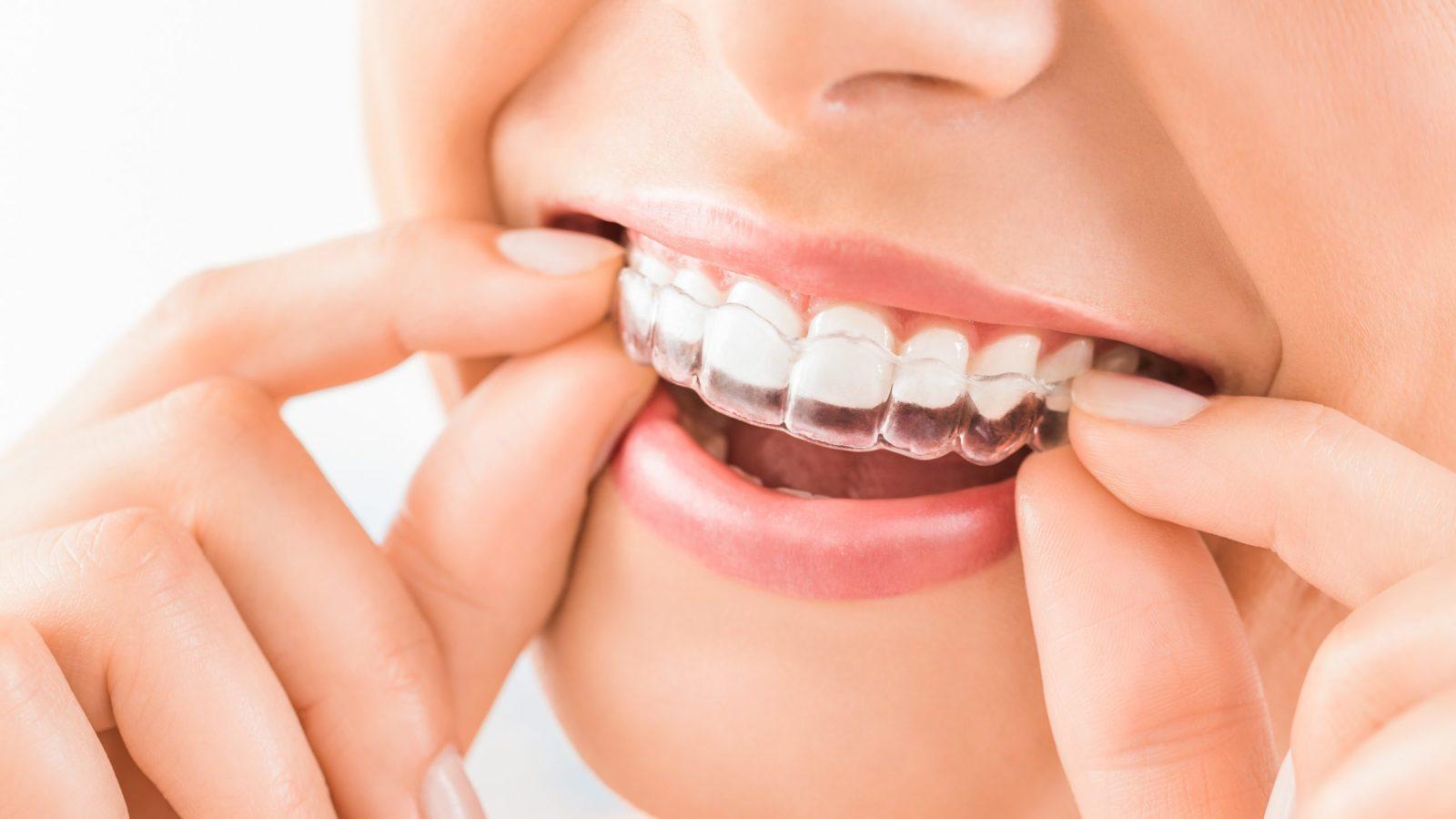
Dental Braces in Dubai: What to Expect at Your Visit
Starting orthodontic treatment can feel easier when you know what will happen during your appointments. From the initial examination to braces fitting and regular adjustments, each stage has a specific purpose. A professional dental clinic in dubai can assess your dental condition and explain the most suitable Dental Braces in Dubai treatment according to your alignment, bite, oral health, and personal goals.
Your First Orthodontic Consultation
Your first appointment usually begins with a conversation about your dental concerns.
You may discuss crooked teeth, crowded teeth, gaps, bite problems, or other issues that affect your smile. The orthodontist will also ask about your dental history and previous treatments.
This information helps the dental professional understand your concerns before performing a detailed examination.
Dental Examination
The orthodontist examines your teeth and gums carefully.
They assess tooth alignment, spacing, crowding, the relationship between your upper and lower teeth, and the overall condition of your mouth.
The examination helps determine whether orthodontic treatment is appropriate and whether any other dental care is needed first.
Diagnostic Records
Depending on your case, the orthodontist may take dental photographs, scans, or X-rays.
These records provide information that cannot always be seen by simply looking at the teeth.
They can help the orthodontist evaluate tooth roots, jaw relationships, bone structure, and other factors that influence treatment planning.
Discussing Your Treatment Goals
Every patient has different expectations.
Some people primarily want straighter front teeth, while others need treatment for crowding, spacing, or bite problems.
Discussing your goals allows the orthodontist to explain what can realistically be achieved and which treatment approach may be appropriate.
Understanding Your Treatment Options
Your orthodontist may explain different types of braces depending on your case.
Traditional metal braces are widely used for many orthodontic problems. Ceramic braces can offer a more discreet appearance for suitable patients.
The recommended option depends on treatment complexity, aesthetic preferences, oral health, and other individual factors.
Creating a Personalized Plan
After completing the examination, the orthodontist develops a treatment plan.
The plan may explain the type of appliance, expected treatment duration, adjustment schedule, oral hygiene requirements, and estimated cost.
If additional dental treatment is required before braces, this will usually be discussed at this stage.
Treating Existing Dental Problems
Healthy teeth and gums are important before starting orthodontic treatment.
If you have cavities, gum inflammation, or other oral health concerns, your dentist may recommend treating them first.
Addressing these issues can help create a healthier environment for orthodontic tooth movement.
What Happens During Braces Fitting?
When you are ready to begin treatment, the brackets are carefully attached to your teeth.
An orthodontic wire is then placed through the brackets to create the system that will gradually guide tooth movement.
The fitting process is performed carefully to position the components according to the treatment plan.
Is Braces Fitting Painful?
Braces fitting is generally not considered a painful procedure.
However, you may experience pressure or mild sensitivity afterward as your teeth begin responding to the orthodontic forces.
This discomfort is usually temporary, and your orthodontic team can provide advice for making the adjustment period more comfortable.
Your First Few Days With Braces
It can take some time to become accustomed to the appliance.
You may notice that your teeth feel different and that your lips, cheeks, or tongue need time to adjust to the brackets.
Choosing softer foods during the initial period can make eating more comfortable.
Eating After Braces Are Fitted
Some foods can damage orthodontic appliances.
Hard candies, sticky foods, chewing gum, and very hard foods may place excessive pressure on brackets and wires.
Your orthodontist will provide dietary guidance and explain how to protect your braces while eating.
Oral Hygiene During Treatment
Brushing becomes especially important when you have braces.
Food particles can collect around brackets and wires, increasing the risk of plaque buildup.
Brush carefully around every bracket and along the gumline. Your orthodontist may also recommend interdental brushes or other cleaning tools.
Regular Adjustment Visits
After braces are fitted, you will return for regular appointments.
During these visits, the orthodontist evaluates tooth movement and makes necessary adjustments.
The frequency of visits depends on your treatment plan and the type of braces being used.
What Happens During Adjustments?
An adjustment may involve changing the orthodontic wire, replacing elastic components, or making other modifications.
These changes help continue the controlled forces required to move the teeth toward their planned positions.
You may experience temporary pressure or mild soreness after some adjustments.
Monitoring Your Progress
Your orthodontist monitors the changes throughout treatment.
The teeth may move at different rates, so adjustments can be made according to your individual response.
Regular monitoring helps ensure that treatment remains focused on the planned alignment and bite goals.
How Long Will Your Visit Take?
Appointment length varies depending on the purpose of the visit.
An initial consultation may take longer because it involves examination and treatment planning. Routine adjustment appointments are often more straightforward.
Your clinic can provide specific appointment details when you schedule your visit.
What If You Have Crowded Teeth?
Crowding occurs when there is insufficient space for teeth to align properly.
Braces can gradually move the teeth into better positions, depending on the severity of the condition.
The orthodontist will determine the safest approach after assessing your available space and overall bite.
What If You Have Gaps?
Braces can be used to close certain gaps between teeth.
The orthodontist first determines why the spacing exists before deciding how it should be treated.
The teeth are then gradually guided toward their planned positions.
What If You Have a Bite Problem?
Braces may help correct certain overbites, underbites, crossbites, and other alignment concerns.
Treatment is planned around the relationship between the upper and lower teeth.
The goal is not only a straighter appearance but also an improved functional bite when appropriate.
What Happens If a Bracket Breaks?
A bracket may occasionally become loose or damaged.
If this happens, contact your orthodontic clinic rather than trying to repair it yourself.
Your orthodontist can determine whether the bracket needs to be replaced or whether you can wait until your next scheduled appointment.
The Importance of Follow-Up
Regular appointments are essential for keeping treatment on track.
Missing appointments may delay necessary adjustments and potentially extend the overall treatment period.
Following your orthodontist's schedule can help maintain steady progress.
When Are Braces Removed?
Braces are removed when the orthodontist determines that the desired alignment and bite objectives have been achieved.
The brackets are carefully detached, and the teeth are cleaned.
Your orthodontist then begins the retention phase to help protect your results.
Retainers After Braces
Retainers are an important part of orthodontic treatment.
Teeth can naturally move after braces are removed, so retainers help maintain their new positions.
Your orthodontist will explain how often and how long you should wear your retainer.
How to Prepare for Your Visit
Before an orthodontic appointment, maintain good oral hygiene and make a note of any questions or concerns.
If you are attending your first consultation, bring relevant dental information when available.
Being prepared can help you make the most of your appointment.
Questions to Ask Your Orthodontist
You may want to ask which type of braces is recommended, how long treatment is expected to take, what the complete cost includes, how frequently you need appointments, and what aftercare will be required.
Understanding these details can help you feel more confident about starting treatment.
Choosing a Dental Clinic
When selecting a clinic for orthodontic treatment, consider the professional's qualifications, experience, diagnostic facilities, treatment planning, hygiene standards, and follow-up services.
Clear communication is also important because braces treatment involves regular appointments over an extended period.
Conclusion
Knowing what to expect can make your orthodontic journey more comfortable and predictable. Dental Braces in Dubai treatment generally begins with an examination and diagnostic assessment before moving to treatment planning, braces fitting, regular adjustments, and eventual retainer care.
Every patient has different orthodontic needs, so the exact process and treatment duration can vary. A professional consultation can help you understand your options and prepare for each stage of your braces treatment.

 English
 Arabic
 French
 Spanish
 Portuguese
 Deutsch
 Turkish
 Dutch
Dutch
 Italiano
 Russian
 Romaian
 Greek
Greek
