
Facelift in Dubai: Advanced Facial Rejuvenation for a Youthful Appearance
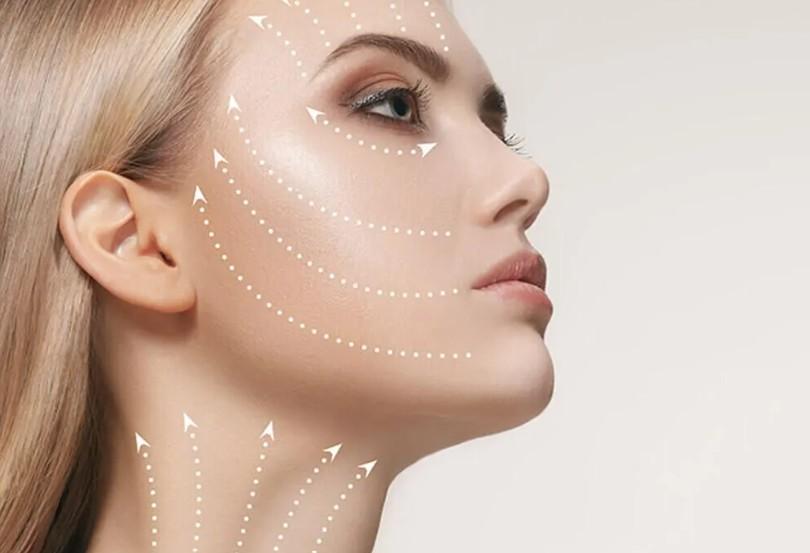
A youthful appearance is often associated with smooth skin, defined facial contours, and balanced proportions. However, natural aging can gradually affect the skin, muscles, and underlying tissues of the face, resulting in wrinkles, sagging, loose skin, and less-defined contours. A facelift is an advanced facial rejuvenation procedure designed to address these visible signs of aging and create a more refreshed and harmonious appearance.
With modern surgical techniques and personalized treatment planning, Facelift in Dubai has become an option for individuals looking for comprehensive facial rejuvenation. The procedure can be tailored according to facial structure, skin condition, age-related changes, and aesthetic goals.
What Is a Facelift?
Understanding the Facelift Procedure
A facelift, medically known as rhytidectomy, is a cosmetic surgical procedure designed to rejuvenate the lower and middle portions of the face. It works by repositioning underlying facial tissues, improving skin laxity, and removing carefully planned amounts of excess skin.
Unlike treatments that focus primarily on the surface of the skin, a facelift can address deeper structural changes associated with facial aging. The goal is to create a refreshed appearance while maintaining natural-looking facial characteristics.
How Facial Aging Changes Appearance
As people age, several changes can occur throughout the face. Collagen and elastin production gradually decreases, while facial tissues may lose volume and support. Skin can become less firm, and the cheeks, jawline, and neck may develop visible laxity.
These changes can contribute to:
- Loose facial skin
- Deeper facial folds
- Sagging cheeks
- Jowls along the jawline
- Less-defined facial contours
- Loose skin around the neck
- A tired or aged facial appearance
A facelift is designed to address several of these concerns simultaneously.
Why Choose Facelift in Dubai?
Advanced Facial Rejuvenation
Facelift in Dubai offers access to modern cosmetic surgery techniques designed around individual facial anatomy and aesthetic objectives. Contemporary approaches focus on achieving balanced results rather than simply tightening the skin.
Modern facelift techniques may involve repositioning deeper facial tissues and carefully managing excess skin to create a smoother and more naturally rejuvenated appearance.
Personalized Treatment Planning
Every face has different proportions, skin characteristics, and aging patterns. For this reason, facelift treatment should be customized rather than based on a standard surgical approach.
During a consultation, a specialist can assess facial structure, skin laxity, areas of volume loss, and the overall relationship between the face and neck. This evaluation helps determine which facelift technique is most appropriate.
How Does a Facelift Work?
Addressing Facial Skin Laxity
One of the main objectives of a facelift is to improve loose skin. During the procedure, carefully planned incisions allow the surgeon to access and reposition facial tissues.
Excess skin can then be adjusted to improve facial contours while avoiding an overly tight appearance.
Repositioning Deeper Facial Structures
Modern facelift procedures can involve the underlying connective tissue and facial structures. Depending on the chosen technique, deeper tissues may be repositioned to restore support to areas affected by aging.
This approach can help improve the appearance of the cheeks, lower face, and jawline.
Improving Facial Contours
A well-planned facelift can enhance the transition between the cheeks, jawline, and neck. By addressing laxity in these areas, the face may appear more defined and refreshed.
The objective is not to change someone's identity but to restore a more youthful version of their existing facial appearance.
Different Facelift Techniques
Traditional Facelift
A traditional facelift generally addresses significant skin laxity throughout the middle and lower face. It can provide comprehensive rejuvenation by treating both excess skin and deeper tissue changes.
This approach may be considered when signs of aging are more pronounced and broader facial rejuvenation is desired.
Mini Facelift
A mini facelift is generally designed for individuals with more limited skin laxity. It uses smaller incisions and focuses primarily on specific areas of the lower face.
The suitability of this technique depends on the individual's facial anatomy and degree of aging.
SMAS Facelift
The superficial musculoaponeurotic system, commonly known as SMAS, is a layer of connective tissue beneath the skin. A SMAS facelift focuses on repositioning this underlying layer as part of the rejuvenation process.
This technique can provide structural support while improving the appearance of sagging facial tissues.
Deep Plane Facelift
A deep plane facelift works at a deeper anatomical level and involves repositioning facial tissues together rather than relying primarily on skin tightening.
It may be considered for individuals seeking comprehensive rejuvenation of the cheeks, lower face, and jawline.
Areas That Can Be Improved With a Facelift
Cheeks
Age-related tissue descent can cause the cheeks to appear less elevated and less defined. A facelift can reposition sagging facial tissues to create a smoother transition between the cheeks and lower face.
Jawline
Jowls and loose skin can reduce jawline definition. Facelift techniques can improve the appearance of the lower face and create a more refined jawline.
Lower Face
The lower face is one of the primary areas addressed during facelift surgery. Improvements can include reduced skin laxity and a more balanced facial contour.
Neck
Depending on the technique and treatment plan, facelift surgery can also improve the appearance of the upper neck. Some patients may benefit from combining facial and neck rejuvenation techniques for more comprehensive results.
Facelift and Neck Rejuvenation
Creating Facial Balance
Facial aging does not always occur in isolation. Changes in the lower face can occur alongside loose skin beneath the chin and along the neck.
Combining facelift and neck rejuvenation may help create a smoother transition between the jawline and neck. The appropriate combination depends on individual anatomy and treatment objectives.
When Neck Treatment May Be Considered
Neck rejuvenation may be considered when there is noticeable skin laxity, reduced definition beneath the chin, or age-related changes extending from the lower face toward the neck.
A personalized consultation can determine whether facial rejuvenation alone or a combined approach is more appropriate.
Who May Consider a Facelift?
Individuals With Visible Facial Aging
A facelift may be considered by adults who have noticeable sagging skin, jowls, deeper facial folds, or reduced definition of the lower face.
The decision should be based on facial characteristics and personal aesthetic goals rather than age alone.
People Seeking Long-Term Facial Rejuvenation
Individuals who want a more comprehensive approach to facial aging may consider surgical rejuvenation rather than treatments that primarily address surface-level skin concerns.
A facelift can provide structural facial rejuvenation while maintaining the individual's natural facial characteristics.
Facelift Consultation and Treatment Planning
Detailed Facial Assessment
A consultation is an important part of the facelift process. The specialist evaluates facial proportions, skin laxity, tissue position, facial contours, and areas that contribute to an aged appearance.
Photographs and clinical assessment may also be used to develop an individualized treatment plan.
Discussing Aesthetic Goals
Patients should clearly communicate what they would like to improve. Some may primarily want better jawline definition, while others may be more concerned with sagging cheeks, jowls, or loose skin around the neck.
Understanding these goals allows the treatment plan to focus on the areas that matter most.
Selecting the Appropriate Technique
There is no single facelift technique that is ideal for everyone. The chosen approach depends on the degree and location of facial aging, tissue characteristics, facial anatomy, and the desired outcome.
Modern Facelift Techniques for Natural-Looking Results
Avoiding an Overly Tight Appearance
Modern facelift surgery emphasizes repositioning and supporting facial tissues rather than simply pulling the skin tightly.
This can help create a softer and more natural-looking rejuvenated appearance.
Maintaining Facial Identity
An effective facelift should preserve the individual's characteristic facial features. The objective is generally to refresh the face while maintaining natural proportions and expressions.
Enhancing Definition
Strategic repositioning of facial tissues can improve areas such as the jawline and cheeks without creating dramatic or disproportionate changes.
Combining Facelift With Other Facial Treatments
Eyelid Rejuvenation
Some individuals experience aging around the eyes at the same time as facial laxity. Eyelid surgery can be considered separately or as part of a broader facial rejuvenation plan when appropriate.
Dermal Fillers
Volume loss can contribute to changes in facial contours. In selected cases, non-surgical volume restoration may complement surgical rejuvenation.
Skin Rejuvenation
Skin quality can also affect the overall appearance of an aging face. Treatments designed to improve skin texture, pigmentation, and hydration may complement the structural improvements achieved through a facelift.
The combination of procedures should always be based on an individual's facial anatomy and aesthetic objectives.
The Facelift Journey
Before Treatment
Before surgery, patients undergo a detailed consultation and facial assessment. The specialist discusses the planned procedure, incision placement, expected changes, and aftercare requirements.
Patients are also given individualized preparation instructions according to their treatment plan.
During Treatment
A facelift is performed in a surgical setting using an appropriate form of anesthesia. Incisions are carefully planned, often around areas where they can be discreetly positioned.
The surgeon then addresses the underlying facial tissues and excess skin according to the selected technique before closing the incisions.
After Treatment
After surgery, patients receive personalized aftercare instructions. Swelling and temporary changes in facial appearance can occur during the initial healing period, while the final appearance develops progressively as the tissues settle.
Following the specialist's post-treatment guidance is an important part of the recovery process.
Maintaining Your Facial Rejuvenation
Protecting Skin From Sun Exposure
Consistent sun protection can help preserve skin quality following facial rejuvenation. Using appropriate sunscreen and protective measures can support healthier-looking skin over time.
Following a Skincare Routine
A personalized skincare routine can help maintain hydration, texture, and overall skin quality. Products should be selected according to individual skin characteristics.
Healthy Lifestyle Habits
Adequate hydration, balanced nutrition, regular physical activity, and healthy lifestyle habits can contribute to overall skin and facial wellness.
Why Choose EV Clinic Dubai for Facial Rejuvenation?
Personalized Aesthetic Care
EV Clinic Dubai focuses on individualized aesthetic and medical care, allowing treatment plans to be developed according to each patient's specific concerns and goals.
Comprehensive Facial Assessment
A detailed evaluation can help determine the extent of facial aging and identify the most suitable approach for achieving balanced facial rejuvenation.
Modern Approach to Aesthetic Treatment
EV Clinic Dubai provides a range of aesthetic services designed to address different aspects of appearance and facial wellness. A personalized consultation can help determine whether a facelift is appropriate and which treatment strategy best aligns with the patient's goals.
What Makes a Facelift Different From Non-Surgical Treatments?
Surgical Facial Rejuvenation
A facelift is designed to address structural changes associated with facial aging, including skin laxity and tissue descent. It can therefore provide a more comprehensive approach to significant facial sagging.
Non-Surgical Facial Treatments
Non-surgical procedures can target specific concerns such as fine lines, skin texture, pigmentation, and facial volume. However, they may not provide the same level of correction for substantial skin laxity.
The best option depends on the patient's individual concerns and desired degree of rejuvenation.
Understanding Facelift Results
A More Refreshed Appearance
The objective of facelift surgery is to create a refreshed and rejuvenated appearance while maintaining natural facial characteristics.
Improvements may include a smoother lower face, better jawline definition, reduced appearance of jowls, and improved facial contours.
Gradual Development of the Final Appearance
Facial tissues continue to settle during the healing period. As swelling decreases and the tissues adapt, the final appearance becomes increasingly apparent.
Patients should follow their personalized aftercare plan and attend recommended follow-up appointments.
Conclusion
A facelift can provide comprehensive facial rejuvenation by addressing loose skin, tissue laxity, and changes in facial contours associated with aging. Modern techniques focus on structural support and natural-looking results rather than simply tightening the skin.
For individuals considering Facelift in Dubai, personalized treatment planning is essential for achieving balanced and harmonious facial rejuvenation. Through detailed assessment, appropriate surgical technique, and individualized aftercare, facial rejuvenation can be tailored to each person's unique aesthetic goals.
EV Clinic Dubai offers personalized aesthetic care for individuals seeking modern facial rejuvenation solutions. A professional consultation can help determine the most appropriate approach for creating a refreshed, youthful, and natural-looking appearance.

 English
 Arabic
 French
 Portuguese
 Deutsch
 Turkish
 Dutch
Dutch
 Italiano
 Russian
 Romaian
 Portuguese (Brazil)
 Greek
Greek
