
What Is the Best Driveway Material for Your Home? A Complete Guide for Long Island Homeowners
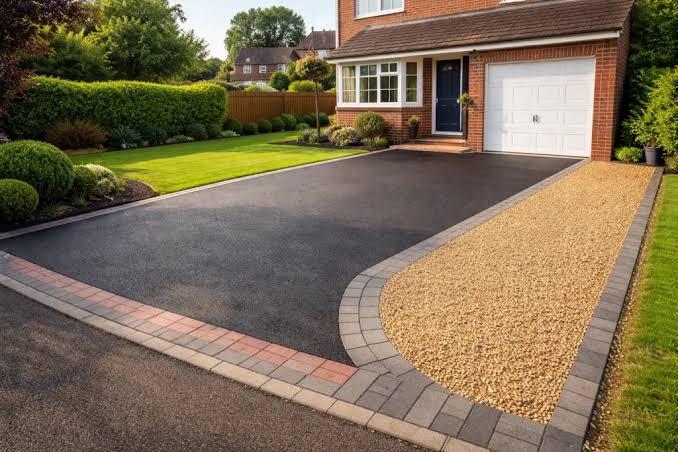
What Is the Best Driveway Material for Your Home?
Choosing the best driveway material is an important decision because your driveway is one of the first parts of your property that visitors see and one of the most frequently used outdoor surfaces around your home. A good driveway should provide durability, safe vehicle access, attractive curb appeal, and reliable performance in different weather conditions. Homeowners can choose from several materials, including asphalt, concrete, gravel, and pavers. Each option has different advantages, costs, maintenance requirements, and expected lifespans. For Long Island homeowners, weather conditions, drainage, soil movement, and installation quality should also be considered before selecting a material. The best choice is not necessarily the most expensive option. It is the material that fits your property, budget, appearance preferences, maintenance expectations, and long-term plans.
Why Is Asphalt One of the Most Popular Driveway Materials?
Asphalt is one of the most common driveway materials because it offers a practical combination of affordability, durability, flexibility, and relatively quick installation. A properly installed asphalt driveway can often last approximately 15 to 25 years with regular maintenance. Asphalt can handle everyday vehicle traffic and has flexibility that allows it to accommodate certain types of seasonal ground movement. It is also generally easier to repair than some rigid driveway materials because cracks and damaged sections can often be patched or resurfaced. For homeowners searching for asphalt paving Long Island services, asphalt can be a particularly practical option because it can perform well in changing weather when the foundation, drainage, and installation are properly handled.
Is Concrete a Good Material for a Long Lasting Driveway?
Concrete is an excellent choice for homeowners who prioritize strength, longevity, and a clean finished appearance. A professionally installed concrete driveway can often last around 30 to 40 years or longer when it receives proper care. Concrete is a rigid material that can handle regular vehicle traffic and provides a solid surface for residential properties. It can also be finished in different textures, patterns, and decorative styles, giving homeowners more design possibilities. However, concrete generally requires a higher initial investment than asphalt, and major cracks or structural damage can sometimes be more difficult to repair. Homeowners should evaluate both the long-term lifespan and upfront cost before deciding whether concrete is suitable for their property.
How Does Gravel Compare With Other Driveway Materials?
Gravel is another driveway option that appeals to homeowners looking for affordability and a simple installation process. A gravel driveway can be less expensive than many paved alternatives and can provide good drainage when properly installed. Gravel is available in different sizes and types, allowing homeowners to select an option that suits their property and budget. However, gravel requires more ongoing maintenance because stones can shift, spread, or develop uneven areas over time. Vehicles may also create ruts in high-traffic sections. Periodic grading and adding fresh gravel can help maintain the surface. Gravel can be a practical choice for certain properties, particularly larger driveways or areas where a lower-cost surface is preferred.
Are Pavers a Good Choice for Driveways?
Pavers can provide an attractive and highly customizable driveway surface for homeowners who want to enhance their property's curb appeal. Concrete pavers, brick pavers, and stone-style pavers are available in many colors, shapes, patterns, and textures. Properly installed pavers can provide excellent durability and can complement the architectural style of a home. One advantage of individual pavers is that damaged pieces can often be removed and replaced without rebuilding the entire driveway. However, paver installation can have a higher upfront cost than asphalt or gravel. A stable base, accurate grading, and professional installation are important for preventing shifting, uneven surfaces, and drainage problems.
What Is the Most Affordable Driveway Material?
Homeowners working with a limited budget often compare asphalt and gravel because both can provide practical driveway surfaces without the higher upfront cost associated with some concrete and paver installations. Gravel is often among the most affordable choices, but it generally requires more regular maintenance. Asphalt usually costs more than gravel but provides a smoother, more finished driving surface with less loose material. Concrete and pavers can require a larger initial investment but may offer longer service life or greater design flexibility. The most affordable driveway material depends on the size of the project, site preparation requirements, local labor costs, drainage needs, and the expected maintenance over time.
What Is an Inexpensive Driveway Material That Still Performs Well?
An inexpensive driveway material can still provide reliable performance when it is properly selected and installed. Asphalt is often considered a cost-effective choice because it offers a smooth surface, good durability, and relatively straightforward maintenance. Gravel can be even more affordable for suitable properties, especially when the homeowner is comfortable with periodic grading and replenishment. Choosing a material based only on the lowest installation price can sometimes lead to higher long-term costs if the surface requires frequent repairs or replacement. Homeowners should compare initial costs with expected lifespan, maintenance, drainage requirements, and repair expenses to determine which option provides the best overall value.
How Does Long Island Weather Affect Driveway Materials?
Long Island experiences hot summers, cold winters, rain, snow, and repeated freeze-thaw cycles, so weather should be an important consideration when selecting a driveway material. Water can enter small cracks and gaps, freeze during cold weather, and expand, potentially causing surface deterioration. Asphalt's flexibility can help it accommodate certain types of ground movement, while concrete provides excellent strength but may be affected by cracking when installation or drainage is inadequate. Gravel provides natural drainage but can shift during heavy rainfall or snow removal. Pavers can perform well when installed over a properly prepared base. Regardless of the material, proper drainage and professional installation are essential for long-term performance.
How Important Is Driveway Drainage?
Driveway drainage is one of the most important factors affecting the lifespan of any driveway. Water that remains on or beneath a driveway can weaken the base, contribute to cracking, encourage settlement, and accelerate deterioration. Proper grading should direct water away from the driveway and toward suitable drainage areas. The base beneath the surface should also be prepared to support the material while allowing appropriate water movement. Even the best driveway material can fail prematurely if water is not properly managed. Before installation begins, homeowners should make sure the contractor evaluates the property's slope, soil, existing drainage, and areas where water naturally collects.
Does Installation Quality Affect Driveway Lifespan?
Installation quality can have as much impact on driveway performance as the material itself. A poorly prepared foundation can cause settlement, cracking, potholes, and uneven surfaces regardless of whether the driveway is made from asphalt, concrete, gravel, or pavers. Professional installation typically includes evaluating the existing ground, removing unsuitable material when necessary, preparing and compacting the base, establishing proper grading, and installing the selected surface correctly. The right thickness and material specifications should also be considered based on expected traffic. Homeowners who want a driveway that lasts should focus on both material quality and experienced workmanship rather than choosing a material based only on price.
Which Driveway Material Requires the Least Maintenance?
Every driveway material requires some level of maintenance, but the type and frequency vary. Asphalt generally requires crack repairs and periodic sealcoating to help protect the surface. Concrete usually needs monitoring for cracks, joint problems, stains, and drainage issues. Gravel requires occasional grading and may need additional material when stones are displaced or lost. Pavers can require joint maintenance and occasional replacement of individual pieces if damage occurs. A homeowner's maintenance preference should therefore be part of the decision-making process. If you want to minimize ongoing work, a professionally installed paved surface may be more convenient than gravel, but proper care is still necessary for long-term performance.
Can Recycled Asphalt Be Used for a Driveway?
Recycled asphalt can be considered for certain driveway and paving applications as part of a more sustainable approach to construction. Reclaimed asphalt pavement can be processed and reused, helping reduce construction waste and the demand for new materials. Homeowners researching how do you recycled asphalt are often interested in how old pavement can be reused in new paving projects. Whether recycled asphalt is suitable depends on the existing site, material quality, intended use, drainage, and installation method. A professional contractor can evaluate the project and determine whether recycled materials can provide an appropriate balance of durability, affordability, and environmental benefits.
What Driveway Material Has the Longest Lifespan?
When lifespan is the primary consideration, concrete generally has an advantage over asphalt and gravel. A properly installed concrete driveway can commonly last 30 to 40 years or longer with appropriate maintenance. Asphalt often provides approximately 15 to 25 years, while gravel can remain usable for many years but usually requires more frequent maintenance and replenishment. Pavers can also provide a long service life when installed over a strong base and maintained correctly. However, actual lifespan depends heavily on installation quality, drainage, traffic, climate, soil conditions, and maintenance. A material with a long theoretical lifespan may not perform well if the underlying foundation is poorly prepared.
Which Driveway Material Offers the Best Curb Appeal?
Curb appeal is another important consideration when selecting a driveway material. Asphalt offers a clean, dark appearance that works well with many residential properties and landscaping styles. Concrete provides a brighter and more finished appearance and can be customized through decorative finishes, textures, or patterns. Gravel gives properties a more natural and rustic appearance, while pavers can provide the greatest range of colors, patterns, and design combinations. Homeowners should consider how the driveway will complement the home's exterior, landscaping, walkways, patios, and other features. A professionally designed driveway can improve the property's overall appearance while providing a practical surface for daily use.
How Much Maintenance Does a Driveway Need?
The amount of maintenance required depends on the material, weather, traffic, and installation quality. Asphalt should be inspected regularly for cracks and surface deterioration, with sealcoating performed when appropriate. Concrete should be monitored for cracks, joint deterioration, drainage issues, and surface wear. Gravel may need periodic grading and replacement of displaced stones. Pavers may require joint maintenance and replacement of individual damaged units. Homeowners should also keep drainage systems clear and remove debris that could block water flow. Addressing small problems early is one of the easiest ways to protect a driveway and avoid larger repair expenses later.
How Should You Choose the Best Driveway Material?
The best driveway material should be selected based on the specific needs of your property rather than a general recommendation. Start by considering your budget, expected lifespan, maintenance preferences, desired appearance, traffic levels, drainage, and local weather. Asphalt can be a strong choice for affordability and practical performance, concrete can be ideal for longevity and a finished appearance, gravel can work well for budget-conscious projects, and pavers can provide excellent design flexibility. A professional evaluation can also help identify soil and drainage conditions that may affect the performance of each material. Making the right choice at the beginning can save time and money while providing a driveway that performs well for years.
Why Choose Promaster Maintenance Corp Paving and Masonry?
Selecting the best driveway material is only one part of creating a durable and attractive driveway. Proper site preparation, drainage, installation, maintenance, and timely repairs are equally important for protecting your investment. Homeowners throughout Long Island can benefit from working with experienced professionals who understand local weather conditions and residential paving requirements. Promaster Maintenance Corp Paving and Masonry provides professional paving and masonry solutions designed to help homeowners create durable, attractive, and functional outdoor surfaces. Whether you are considering asphalt, concrete, gravel, pavers, driveway repairs, or other exterior improvements, professional planning and quality workmanship can help you choose the right solution and get lasting value from your property investment.

 English
 Arabic
 French
 Spanish
 Portuguese
 Deutsch
 Turkish
 Dutch
Dutch
 Italiano
 Romaian
 Portuguese (Brazil)
 Greek
Greek
