
HIV Blood Test in Dubai: Preparation Guide
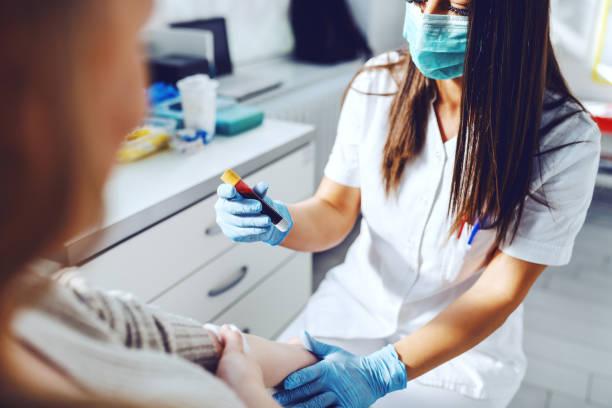
Knowing what to expect before a medical test can make the process more comfortable. An HIV Blood Test in Dubai involves analyzing a blood sample for markers associated with HIV infection. A Blood Test in Dubai may also be performed at the same appointment if additional health investigations are required.
Although HIV-specific testing usually involves minimal preparation, understanding the instructions, test timing, and result process can help you approach your appointment with confidence.
Do You Need to Fast Before HIV Testing?
Most HIV-specific blood tests do not require fasting. You can generally eat and drink normally unless your healthcare provider gives you different instructions.
If your appointment includes other laboratory tests, some of those investigations may require fasting. For this reason, always confirm the preparation requirements before your appointment.
Should You Take Your Regular Medication?
Do not stop prescribed medication simply because you are having an HIV blood test unless a qualified healthcare professional specifically instructs you to do so.
If you take regular medicines or supplements and have questions about whether they could affect another test being performed at the same time, discuss this with your healthcare provider.
Why Does Test Timing Matter?
Preparation is not limited to what you do before your appointment. The timing of HIV testing after a possible exposure can also affect the reliability of the result.
HIV tests detect specific markers that may take time to become detectable. This period is commonly called the window period.
Understanding the Window Period
The window period varies depending on the testing method. A test performed too early may not detect a recent infection.
If you have concerns about a recent potential exposure, a healthcare professional can advise you about the most appropriate testing schedule and whether repeat testing may be needed.
What Information Should You Provide?
Before testing, you may be asked about the reason for screening and, when relevant, the approximate date of a possible exposure.
Providing accurate information can help the healthcare professional determine which testing approach may be appropriate and explain how the result should be interpreted.
You can also ask questions about the testing method, expected turnaround time, privacy procedures, and follow-up.
What Happens During Sample Collection?
A trained healthcare professional generally collects a small blood sample using standard clinical procedures. The sample is then labeled and sent for laboratory analysis.
The collection process is usually brief. If you feel nervous about blood collection, let the healthcare professional know so they can help you feel more comfortable.
What Happens After the Sample Is Collected?
Once the sample reaches the laboratory, it is analyzed using the selected HIV testing method. Depending on the test, the laboratory may look for HIV antibodies, an antigen, or viral genetic material.
The time required to process the sample depends on the laboratory and the type of test being performed.
Can You Exercise Before the Test?
HIV-specific blood testing generally does not require special exercise restrictions. However, if you are having multiple blood investigations, follow any preparation instructions provided by your healthcare provider.
If you are uncertain about exercise, food, beverages, or other activities before testing, confirm the requirements with the testing facility.
What Should You Bring to Your Appointment?
Bring any documents or information requested by the healthcare provider. It can also be helpful to know the approximate timing of a potential exposure if the test is being performed because of a recent concern.
Having your questions prepared beforehand can also make the consultation more productive.
Understanding HIV Test Results
After laboratory analysis, your result will be reported according to the provider's procedures. Results may be described as reactive or non-reactive depending on the testing method.
A non-reactive result generally means the test did not detect the markers it was designed to identify at the time of testing. If the test was performed during the window period, additional testing may sometimes be recommended.
A reactive screening result requires further evaluation and confirmatory testing before HIV infection is diagnosed.
Is HIV Testing Confidential?
Privacy can be particularly important when arranging HIV screening. Before choosing a provider, ask how personal information, blood samples, and laboratory reports are handled.
You can also ask how results are communicated and whether professional support is available if you need help understanding the report.
What If You Are Testing After a Recent Exposure?
If you are concerned about a recent potential exposure, seek professional medical advice promptly. Do not rely on symptoms to determine whether HIV infection is present.
A healthcare professional can assess the circumstances and timing of the event and advise you about appropriate testing and any necessary follow-up.
Final Thoughts
Preparing for an HIV Blood Test in Dubai is usually straightforward. Most HIV-specific blood tests do not require fasting, but test timing and the window period can be important when evaluating a recent potential exposure.
Follow the instructions provided by your healthcare provider and discuss any concerns before testing. Professional guidance can help you understand which test is appropriate and how your results should be interpreted.

 Arabic
 French
 Spanish
 Portuguese
 Deutsch
 Turkish
 Dutch
Dutch
 Italiano
 Russian
 Romaian
 Portuguese (Brazil)
 Greek
Greek
