
Thread Lift in London: How the Treatment Process Works
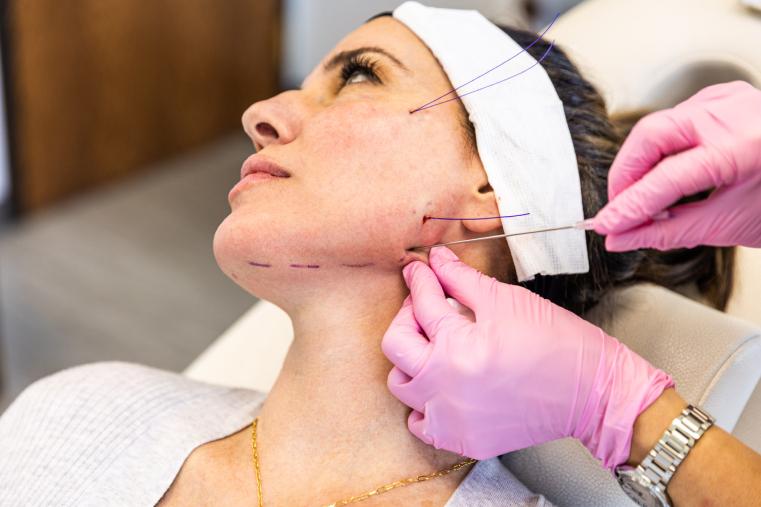
As the face changes over time, many people explore aesthetic treatments that can help create a more lifted and defined appearance. Traditional surgical lifting procedures are not the only option available. Thread lift treatments offer a minimally invasive approach that can be considered by people who want to explore changes in facial contour without undergoing conventional facelift surgery.
If you are researching Thread Lift in London, understanding how the treatment process works can help you prepare for a consultation and know what to expect at each stage. The procedure involves placing specialised threads beneath the skin to support selected facial tissues and create a more lifted appearance.
At a specialist Thread Lift Clinic in London, the treatment is planned according to your facial structure, skin characteristics, and aesthetic goals. The consultation is an important part of the process because it allows the practitioner to assess your needs and determine which approach may be suitable.
What Is a Thread Lift?
A thread lift is a minimally invasive aesthetic procedure designed to provide support and lifting to selected areas of the face. The treatment uses medical-grade threads that are positioned beneath the skin.
Depending on the type of thread and treatment plan, the threads may provide mechanical support while also encouraging natural collagen activity around the treated area.
A thread lift is different from a traditional facelift because it does not involve the same surgical approach. Instead, it uses carefully positioned threads to influence the contour and appearance of specific facial areas.
Thread Lift in London can be tailored according to the patient's facial anatomy and desired treatment outcome.
What Is a PDO Thread Lift?
A PDO Thread Lift London treatment uses threads made from polydioxanone, commonly abbreviated as PDO. PDO is a material that has been used in medical applications and is designed to gradually break down within the body.
PDO threads may be used to provide support to selected areas while also stimulating collagen production around the treatment site.
Different types of threads can have different structures and purposes. During your consultation, your practitioner can explain which type may be appropriate for your treatment goals.
Why Is a Consultation Important?
The consultation is the first major stage of the thread lift process.
During your appointment, your practitioner will discuss your aesthetic concerns and examine your facial structure. They may assess areas such as the cheeks, jawline, lower face, or other areas where you are interested in improving definition.
The practitioner will also consider your skin characteristics and overall facial proportions.
This assessment helps determine whether a thread lift is appropriate for your goals and how the treatment should be planned.
Discussing Your Aesthetic Goals
Before treatment, it is important to explain what you would like to achieve.
Some people may want a more defined jawline, while others may be interested in supporting the cheeks or improving the appearance of mild skin laxity.
Your practitioner may ask what changes you have noticed and which facial areas concern you most.
This discussion allows the treatment plan to be based on your individual goals rather than applying a standard technique.
Assessing Your Facial Structure
Facial anatomy plays a major role in thread lift planning.
Your practitioner may assess:
- Facial proportions
- Skin characteristics
- Areas of skin laxity
- Cheek position
- Jawline definition
- Lower-face contour
- Overall facial symmetry
The assessment allows the practitioner to determine where the threads may be placed and how they should be positioned.
A carefully planned treatment can be adapted to the unique structure of each face.
Creating a Personalised Treatment Plan
After assessing your face and discussing your goals, your practitioner can create a treatment plan.
The plan may include the areas to be treated, the type and number of threads required, and the general direction in which the threads will be positioned.
The exact approach can vary depending on the treatment area and the desired outcome.
At a specialist Thread Lift Clinic in London, the practitioner should explain the proposed plan clearly before treatment begins.
Preparing for the Treatment
Your clinic will provide instructions before your appointment. These instructions may vary depending on your individual circumstances and treatment plan.
During the consultation, you may be asked about your medical history, medications, allergies, previous aesthetic treatments, and other relevant information.
Providing accurate information allows the practitioner to plan your treatment appropriately.
You should also use the consultation to ask questions about the procedure and aftercare so you understand the process before proceeding.
What Happens During a Thread Lift?
On the day of treatment, the practitioner will prepare the selected facial areas and confirm the planned treatment approach.
The treatment area is typically cleansed, and local anaesthetic may be used according to the treatment plan.
The threads are then introduced beneath the skin using a fine needle or cannula. They are positioned according to the previously planned direction and placement.
Once positioned, the threads provide support to the targeted tissues. The practitioner carefully adjusts their position to achieve the intended lifting and contouring effect.
The procedure is performed with attention to the individual's facial anatomy.
How Are the Threads Positioned?
Thread placement is one of the most important aspects of the treatment.
Threads can be positioned in specific directions to support selected areas. The placement depends on the facial region being treated and the desired aesthetic outcome.
For example, treatment around the cheeks may involve a different placement strategy from treatment focused on the jawline.
The practitioner will determine the appropriate positioning during treatment based on the plan established during your consultation.
Areas Commonly Treated With Thread Lifts
Thread lifts can be used for different facial areas depending on individual suitability.
Cheeks
Threads may be used to provide support to the cheek area and influence the appearance of facial contours.
Jawline
The jawline can be treated when the objective involves improving definition and creating a more structured lower-face appearance.
Lower Face
Thread lifts may also be considered for selected areas of the lower face where mild laxity or reduced definition is a concern.
Brows
In some cases, threads may be considered around the brow area as part of a treatment plan designed to create a subtle lifting effect.
The appropriate area depends on the individual's anatomy and treatment objectives.
What Happens Immediately After Treatment?
After your Thread Lift in London, your practitioner will provide specific aftercare instructions.
You will receive guidance about caring for the treated areas and returning to your usual activities. The clinic may also explain how to manage your routine during the early recovery period.
Because the treatment is minimally invasive, the recovery process is generally different from that associated with traditional surgical facelift procedures.
Your practitioner will explain what you should expect based on your specific treatment.
When Do Results Become Visible?
The appearance of the treated area can change gradually following a thread lift.
An initial lifting effect may be visible following treatment, while further changes can develop as the tissues respond and collagen activity takes place around the threads.
The timeline varies according to factors such as the type of threads used, treatment area, skin characteristics, and individual healing process.
Your practitioner can explain the expected progression during your consultation.
How Long Do PDO Threads Last?
PDO threads are designed to gradually break down within the body over time.
Although the material itself is absorbed, the treatment is designed to encourage collagen activity around the treated area. This can contribute to the longer-term appearance of the treated tissue.
The duration of visible results varies from person to person. Your practitioner can explain what may be expected based on the specific threads and treatment plan selected for you.
Thread Lift and Collagen Production
One of the features associated with PDO threads is their relationship with collagen stimulation.
As the threads gradually break down, the body responds to their presence by producing collagen around the treated area. This process can contribute to changes in skin texture and firmness over time.
The results are therefore not necessarily limited to the immediate mechanical lifting effect.
Individual responses vary, so your practitioner can provide more specific information during your consultation.
Recovery and Aftercare
Your clinic will provide personalised aftercare instructions following your PDO Thread Lift London treatment.
These instructions may include guidance about facial movements, skincare, sleeping positions, exercise, and other daily activities during the initial recovery period.
The specific recommendations depend on the areas treated and the type of thread procedure performed.
Following your practitioner's instructions can help you manage your recovery appropriately.
Follow-Up Appointments
Depending on your treatment plan, your practitioner may recommend a follow-up appointment.
A follow-up gives the clinic an opportunity to assess how the treated areas are progressing and answer any questions you may have.
Your practitioner can also discuss whether any further treatment is appropriate based on your individual outcome and aesthetic goals.
Choosing a Thread Lift Clinic in London
Choosing an appropriate Thread Lift Clinic in London is an important step before treatment.
A suitable clinic should provide a detailed consultation, explain the procedure clearly, assess your facial anatomy, and create an individual treatment plan.
Bodyvie Clinic provides consultations for patients exploring aesthetic treatments, allowing them to discuss their concerns and understand the available options.
Before proceeding, make sure you understand the proposed procedure, treatment areas, type of threads being used, aftercare instructions, and expected timeline.
Questions to Ask Before a Thread Lift
Before choosing Thread Lift in London, you may want to ask:
- Am I suitable for a thread lift?
- Which facial areas would you recommend treating?
- Which type of thread would be appropriate for me?
- How many threads will be required?
- Where will the threads be positioned?
- How long will the treatment take?
- What should I expect during recovery?
- When will I see the results?
- How long can the results last?
- Will I need a follow-up appointment?
Asking questions allows you to make an informed decision about your treatment.
Conclusion
Understanding how the treatment process works is an important part of choosing Thread Lift in London. From the initial consultation and facial assessment to thread placement and aftercare, each stage is designed around the individual's anatomy and aesthetic goals.
A PDO Thread Lift London treatment uses specialised threads positioned beneath the skin to provide support to selected facial tissues. PDO threads are gradually absorbed by the body while the treatment can encourage collagen activity around the treated area.
If you are considering this treatment, consulting a specialist Thread Lift Clinic in London can help you understand whether it is suitable for your goals. Bodyvie Clinic can provide information about the consultation, treatment process, aftercare, and follow-up so that you can make an informed decision.
FAQs
What is a Thread Lift in London?
A thread lift is a minimally invasive aesthetic treatment that uses specialised threads placed beneath the skin to provide support and create a more lifted appearance in selected facial areas.
What is a PDO Thread Lift London treatment?
A PDO Thread Lift London treatment uses threads made from polydioxanone. These threads are designed to gradually break down while supporting the treated tissues and encouraging collagen activity.
How does a thread lift work?
The practitioner places threads beneath the skin in carefully selected directions. The threads provide support to targeted tissues, while the treatment can also encourage collagen activity around the treated area.
Which areas can be treated with a thread lift?
Depending on individual suitability, thread lifts may be used for areas such as the cheeks, jawline, lower face, and brows. Your practitioner can recommend suitable treatment areas following an assessment.
How long does a thread lift treatment take?
Treatment time varies depending on the number of areas being treated and the number of threads required. Your practitioner can provide an estimated duration during your consultation.
When will I see the results?
Some lifting may be visible soon after treatment, while further changes can develop gradually as the tissues respond and collagen activity occurs around the threads.
How long do PDO threads last?
PDO threads are gradually absorbed by the body. The duration of visible results varies between individuals and depends on factors such as the treatment area, skin characteristics, and the treatment plan.
Is a thread lift the same as a facelift?
No. A thread lift is a minimally invasive treatment involving threads placed beneath the skin, while a traditional facelift is a surgical procedure involving a different approach to facial tissue.
What happens during a Thread Lift Clinic in London consultation?
The practitioner will discuss your aesthetic goals, assess your facial anatomy, review relevant medical information, and explain the proposed treatment plan.
What should I do after a thread lift?
Your practitioner will provide personalised aftercare instructions. These may include guidance about skincare, facial movements, exercise, sleeping, and returning to normal activities.
Can a thread lift be used for the jawline?
Yes, the jawline can be considered for thread lift treatment when appropriate. Your practitioner will assess the area and determine whether it aligns with your aesthetic goals.
Is a thread lift suitable for everyone?
Suitability is determined individually. Your practitioner will consider your facial anatomy, skin characteristics, medical history, and aesthetic goals before recommending treatment.
What should I ask before having a PDO thread lift?
You can ask about the type of threads being used, treatment areas, number of threads, placement, recovery, expected timeline, aftercare, and follow-up arrangements.

 English
 Arabic
 French
 Spanish
 Portuguese
 Deutsch
 Turkish
 Dutch
Dutch
 Italiano
 Romaian
 Portuguese (Brazil)
 Greek
Greek
