
Keeping Cool in Mountain Climates: Essential Cooling Solutions
Discover the essential role of executive education in shaping customer-centric organizations and driving long-term business resilience and growth.
Discover how efficient cooling systems operate in high-desert climates, keeping mountain homes comfortable year-round.
Living in the picturesque landscapes of California’s mountain and high-desert regions offers stunning views and a tranquil lifestyle, but it also presents unique climate challenges. While winters can bring chilly temperatures and snow, summers often introduce intense, dry heat. Maintaining a comfortable indoor environment requires a solid understanding of how local residential climate control functions.
Understanding High-Desert Climate Control
High-desert regions experience significant temperature swings. It is not uncommon for a scorching afternoon to give way to a surprisingly crisp evening. Because of this unique geography, managing indoor comfort is different here than in traditional coastal or humid environments. A well-designed tehachapi air conditioning system must be robust enough to handle peak summer heat while remaining energy efficient.
Key Components of Effective Cooling
To achieve optimal indoor comfort during the warmest months, several factors come into play:
Proper Sizing: Every home has unique cooling requirements based on square footage, insulation quality, and window placement. An appropriately sized cooling unit ensures consistent temperatures without wasting energy.
Airflow and Ventilation: High-desert air is famously dry, which makes maintaining good indoor air quality and proper airflow essential. Clean filters and unobstructed vents allow the system to circulate air efficiently.
Programmable Thermostats: Because outdoor temperatures fluctuate wildly between day and night, utilizing a smart or programmable thermostat helps regulate indoor climates dynamically, reducing unnecessary energy consumption.
Routine Maintenance for Optimal Performance
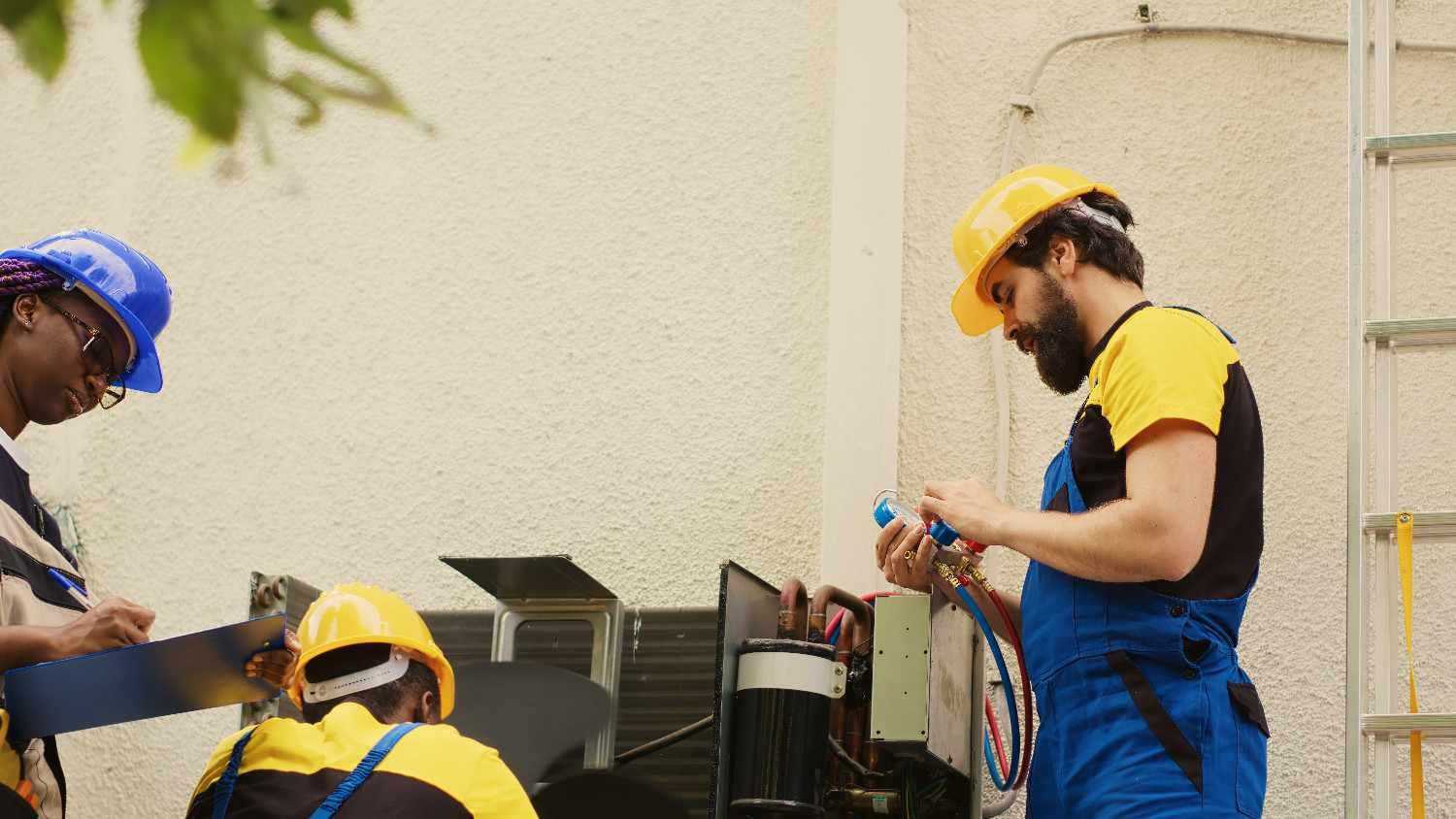
To ensure reliability when the summer sun beats down hardest, consistent upkeep is vital. Dust and debris are common in arid environments, meaning filters and outdoor condenser coils can become clogged more quickly than in other climates. Regular inspections help catch minor issues—such as low refrigerant levels or worn-out electrical components—before they result in a system failure on the hottest day of the year.
Ultimately, mastering tehachapi air conditioning is about respecting the local climate. By understanding how your home interacts with the environment, prioritizing regular maintenance, and focusing on energy-efficient operation, residents can ensure a cool, relaxing indoor sanctuary no matter how high the thermometer climbs outside.

 English
 Arabic
 French
 Spanish
 Portuguese
 Deutsch
 Dutch
Dutch
 Italiano
 Russian
 Romaian
 Portuguese (Brazil)
 Greek
Greek
