
Dental Clinic in Dubai: How to Choose the Right One
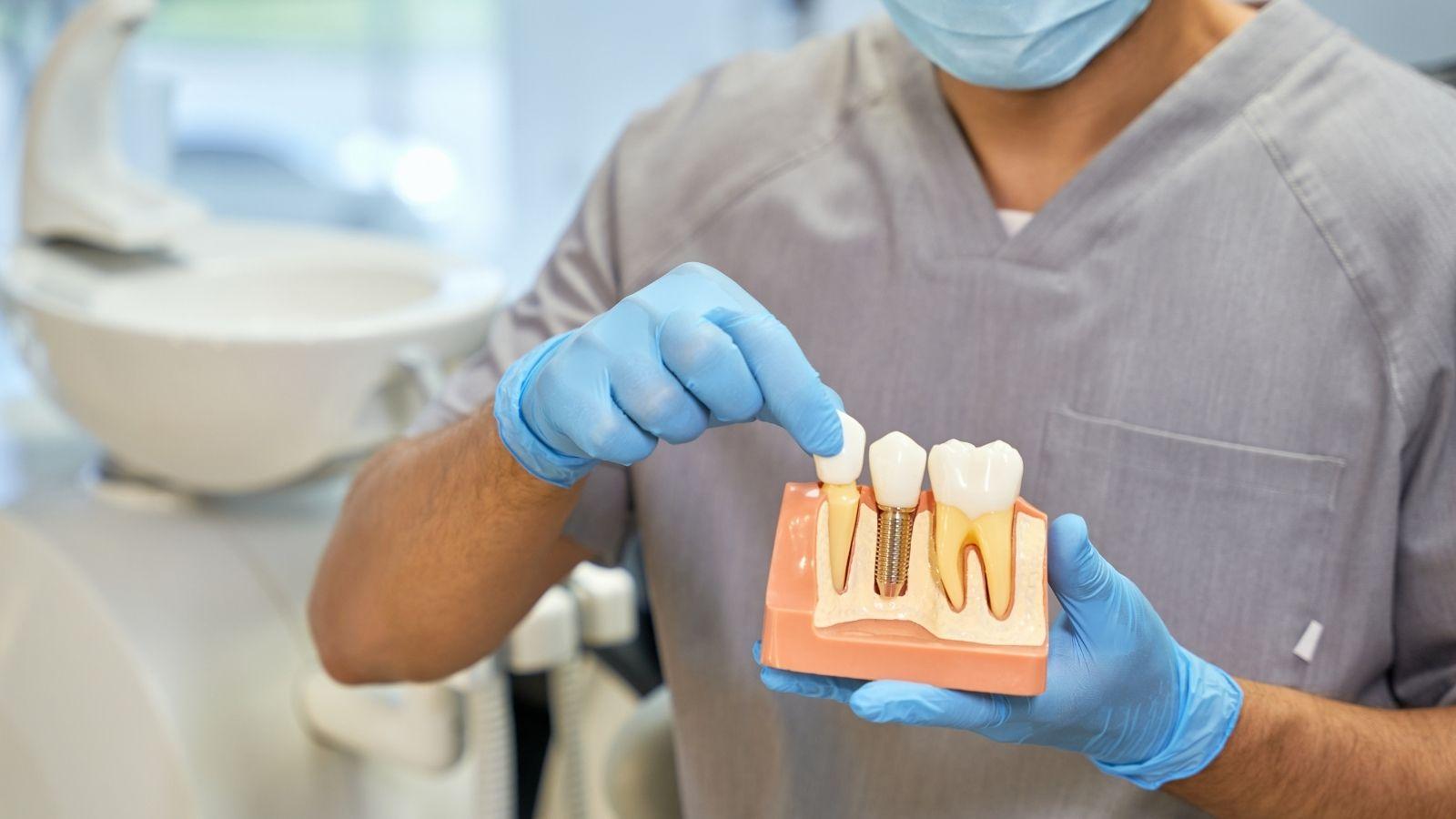
Dental Clinic in Dubai: How to Choose the Right One
Finding the right dental clinic in dubai can make a significant difference in your overall dental care experience. Whether you need a routine checkup, professional teeth cleaning, cosmetic treatment, dental implants, or emergency care, choosing a qualified dental provider is an important decision. Looking at professional experience, available services, technology, hygiene standards, communication, and treatment costs can help you select a clinic that matches your needs.
Check the Dentist's Qualifications
Professional qualifications should be one of the first things you consider when choosing a dental provider.
A qualified dentist should have the appropriate professional credentials and training to provide dental care. If you need a specialized procedure, such as orthodontic treatment, dental implants, or cosmetic dentistry, ask about the dentist's relevant experience and training.
Understanding the professional background of the dentist can give you greater confidence when considering treatment.
Consider the Dental Services Available
Dental needs can change over time. A clinic that provides a broad range of services may make it easier to receive different types of care in one location.
Common services may include routine examinations, professional cleaning, fillings, crowns, root canal treatment, tooth extraction, dental implants, orthodontics, teeth whitening, veneers, and emergency dental care.
Before booking an appointment, check whether the clinic provides the treatment you are looking for.
Look at the Clinic's Experience
Experience can be particularly important when you need complex or specialized dental treatment.
Ask how frequently the dentist performs the procedure you require and whether the clinic has experience treating patients with similar dental concerns.
Experience should be considered alongside qualifications, treatment planning, diagnostic tools, and patient communication rather than as the only factor.
Evaluate Dental Technology
Modern dental technology can support diagnosis and treatment planning.
Depending on the procedure, a clinic may use digital X-rays, three-dimensional imaging, intraoral scanning, digital impressions, or other tools.
These technologies can provide detailed information about the teeth, gums, jawbone, and bite.
When comparing clinics, ask which diagnostic and treatment technologies are available for your specific needs.
Pay Attention to Hygiene Standards
Cleanliness and infection-control practices are essential in any dental environment.
The clinic should maintain appropriate hygiene standards in treatment rooms and equipment.
Dental instruments should be properly sterilized, and staff should follow suitable infection-control procedures.
If you visit a clinic for the first time, take note of the general cleanliness and organization of the facility.
Read Patient Reviews Carefully
Online reviews can provide insight into the experiences of previous patients.
However, reviews should be considered as one part of your research rather than the only reason for choosing a clinic.
Look for recurring comments about communication, punctuality, professionalism, treatment experience, cleanliness, and aftercare.
A combination of reviews, professional credentials, services, and your own consultation can provide a more balanced impression.
Compare Treatment Costs
Dental treatment costs can vary depending on the procedure, materials, complexity, and number of appointments.
Do not automatically choose the cheapest option without understanding what is included.
Ask for a detailed estimate and clarify whether consultation fees, imaging, laboratory work, temporary restorations, follow-up visits, or other services are included.
A clear cost breakdown can help you avoid unexpected expenses.
Ask About the Treatment Plan
Before beginning treatment, ask your dentist to explain the recommended procedure.
You should understand why the treatment is being suggested, what alternatives may be available, how many appointments may be required, and what recovery or maintenance will involve.
A clear treatment plan allows you to make an informed decision.
Look for Personalized Dental Care
Every patient has different dental needs. Your dentist should consider your oral health, dental history, lifestyle, concerns, and treatment goals.
Personalized care may involve adjusting the treatment approach according to your gum health, bite, tooth condition, or aesthetic preferences.
A dentist who takes time to understand your concerns can provide more relevant recommendations.
Consider Communication
Good communication is an important part of dental care.
The dental team should be willing to answer your questions and explain procedures in language you understand.
If you are nervous about treatment, communicating your concerns before the procedure can help the dental team provide appropriate support.
You should feel comfortable asking questions about risks, benefits, alternatives, costs, and aftercare.
Check Emergency Dental Support
Dental emergencies can happen unexpectedly. Severe tooth pain, dental trauma, swelling, broken teeth, or damaged restorations may require prompt attention.
If emergency availability is important to you, ask whether the clinic provides urgent dental appointments and what types of emergencies they handle.
Having access to professional guidance can be valuable when unexpected dental problems occur.
Consider Family Dental Services
If several members of your household need dental care, a clinic offering family services may be convenient.
Children, teenagers, adults, and older patients can have different oral health needs.
A family-friendly dental practice can provide age-appropriate examinations, preventive care, restorative treatment, and oral hygiene guidance.
Evaluate Cosmetic Dentistry Options
If your primary concern is the appearance of your smile, check whether the clinic provides cosmetic dental services.
Teeth whitening, veneers, bonding, and smile restoration may be available depending on the practice.
Before cosmetic treatment, the dentist should assess your teeth and gums and discuss realistic expectations.
Check Restorative Treatment Options
A good dental provider should be able to evaluate damaged or missing teeth and explain appropriate restoration options.
Fillings, crowns, bridges, dental implants, and dentures may be considered depending on your condition.
The dentist should explain why a particular treatment is recommended and whether alternatives are available.
Consider Orthodontic Services
Crooked teeth, crowding, spacing, and bite problems may require orthodontic assessment.
Traditional braces and clear aligners are common options for suitable patients.
If orthodontic treatment is important to you, ask about the available systems, expected treatment duration, follow-up schedule, and maintenance requirements.
Understand Follow-Up Care
Dental treatment does not always end when the procedure is completed.
Follow-up appointments may be necessary to monitor healing, adjust restorations, evaluate orthodontic progress, or maintain gum health.
Ask your dental provider what follow-up care is included and how often you should return for examinations.
Location and Appointment Convenience
Convenience can also influence your ability to maintain regular dental visits.
Consider the clinic's location, appointment availability, operating hours, and ease of scheduling.
A convenient clinic may make it easier to attend routine checkups and follow-up appointments consistently.
What to Ask During Your First Visit
Prepare a few questions before your consultation.
Ask about the condition of your teeth and gums, recommended treatments, alternatives, expected results, treatment timeline, recovery, maintenance, and costs.
If you are considering a complex procedure, you can also ask about the dentist's experience with similar cases.
Taking notes can help you remember important information after the appointment.
When Should You Change Your Dental Provider?
You may consider looking for another dental provider if you consistently experience poor communication, unclear pricing, inadequate explanations, or concerns about hygiene and professionalism.
A change may also be reasonable if the clinic does not offer the treatment or specialist care you require.
Your comfort and confidence should be considered when choosing a long-term dental provider.
Conclusion
Choosing the right dental clinic in dubai involves more than comparing prices or selecting the closest practice. Qualifications, experience, available services, technology, hygiene, communication, treatment planning, and follow-up care should all be considered.
Take time to research your options and ask questions during your consultation. A reliable dental provider should explain your condition clearly, discuss appropriate treatment choices, provide transparent information about costs, and create a plan that supports your long-term oral health.

 English
 Arabic
 French
 Spanish
 Portuguese
 Deutsch
 Turkish
 Dutch
Dutch
 Russian
 Romaian
 Portuguese (Brazil)
 Greek
Greek
