
Tele-Intensive Care Unit (ICU) Market: Industry Trends Improving Patient Outcomes
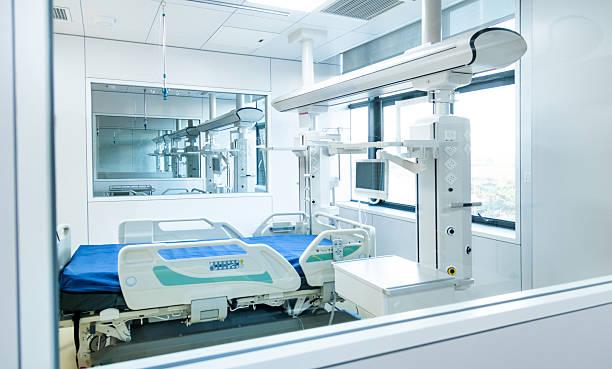
Tele-Intensive Care Unit (ICU) Market: Transforming Critical Care Through Telemedicine and Digital Health
Market Snapshot
The Tele-Intensive Care Unit (ICU) Market is experiencing rapid growth as healthcare providers increasingly adopt telemedicine technologies to improve critical care delivery, optimize ICU operations, and address the global shortage of intensivists. According to M2Square Consultancy, the global Tele-Intensive Care Unit (ICU) Market was valued at USD 5.22 billion in 2026 and is projected to reach USD 15.18 billion by 2034, expanding at a CAGR of 14.3% during the forecast period.
Market growth is driven by increasing demand for advanced critical care services, rising adoption of remote patient monitoring, growing investments in digital healthcare infrastructure, expanding use of artificial intelligence (AI) in intensive care, and the increasing integration of cloud-based telemedicine platforms across hospitals worldwide.
Key Takeaways
-
Market projected to reach USD 15.18 billion by 2034
-
CAGR of 14.3% from 2026–2034
-
Rising demand for remote critical care management
-
Increasing shortage of intensivists and critical care specialists
-
Growing adoption of AI-powered clinical decision support
-
Expanding investments in connected healthcare technologies
Author
Written by Shubham
Senior Market Research Analyst | M2Square Consultancy
Shubham specializes in healthcare technology, digital health, medical devices, artificial intelligence, and telemedicine markets. His research delivers SEO-friendly, data-driven market intelligence that helps organizations identify emerging opportunities and make informed business decisions.
Tele-Intensive Care Unit (ICU) Market Overview
The Tele-Intensive Care Unit (ICU) Market is transforming modern healthcare by enabling intensivists and critical care specialists to remotely monitor, assess, and support ICU patients through advanced telecommunication technologies. Tele-ICU platforms integrate real-time patient monitoring, electronic health records (EHRs), AI-powered analytics, and secure video communication to improve patient outcomes and optimize hospital resources.
Hospitals are increasingly implementing tele-ICU solutions to enhance clinical efficiency, reduce ICU mortality rates, improve patient safety, and provide 24/7 access to specialized critical care expertise. The growing burden of chronic diseases, aging populations, and increasing demand for intensive care services continue to accelerate global adoption.
According to M2Square Consultancy, continuous innovation in digital health, cloud computing, AI, and remote monitoring technologies will support sustained market expansion through 2034.
Why Tele-ICU Matters
Tele-ICU solutions improve access to specialized critical care while enhancing operational efficiency and patient outcomes.
Major Benefits
-
24/7 remote intensivist support
-
Faster clinical decision-making
-
Improved patient monitoring
-
Reduced ICU mortality
-
Better hospital resource utilization
-
Enhanced patient safety
-
Lower healthcare costs
-
Expanded access to critical care expertise
Request a Sample Report: https://m2squareconsultancy.com/request-sample/tele-intensive-care-unit-icu-market/776
Access a complimentary sample of the Tele-Intensive Care Unit (ICU) Market report from M2Square Consultancy to explore detailed market insights, competitive analysis, emerging trends, and growth forecasts through 2034.
Key Market Drivers
Growing Shortage of Intensivists
Healthcare systems worldwide face increasing shortages of critical care specialists, driving adoption of remote ICU management solutions.
Increasing Demand for Critical Care Services
Rising cases of chronic diseases, cardiovascular disorders, respiratory illnesses, trauma, and complex surgeries continue increasing ICU admissions.
Rapid Expansion of Telemedicine
Healthcare providers are investing heavily in telemedicine infrastructure to improve accessibility, efficiency, and continuity of patient care.
Advancements in AI and Remote Monitoring
Artificial intelligence, predictive analytics, cloud computing, wearable medical devices, and real-time patient monitoring technologies are improving tele-ICU capabilities.
Emerging Market Trends
Several innovations are reshaping the Tele-Intensive Care Unit (ICU) Market:
-
AI-powered clinical decision support
-
Cloud-based tele-ICU platforms
-
Remote patient monitoring
-
Predictive analytics
-
Electronic health record integration
-
Virtual intensive care services
-
Internet of Medical Things (IoMT)
-
5G-enabled healthcare connectivity
Market Segmentation
By Component
-
Hardware
-
Software
-
Services
By Type
-
Centralized Tele-ICU
-
Decentralized Tele-ICU
-
Hybrid Tele-ICU
By Application
-
Adult Intensive Care
-
Pediatric Intensive Care
-
Neonatal Intensive Care
By End User
-
Hospitals
-
Specialty Clinics
-
Academic Medical Centers
-
Healthcare Networks
Regional Analysis
North America
North America dominates the market due to advanced healthcare infrastructure, widespread telemedicine adoption, strong digital health investments, and favorable reimbursement policies.
Europe
Europe continues to expand through increasing healthcare digitization, government initiatives supporting telehealth, and rising demand for remote critical care.
Asia-Pacific
Asia-Pacific is expected to witness the fastest growth owing to expanding healthcare infrastructure, increasing ICU capacity, rising healthcare spending, and growing adoption of digital health technologies.
Latin America, Middle East & Africa
Emerging economies are investing in telemedicine and hospital modernization, creating new opportunities for tele-ICU deployment.
Competitive Landscape
Leading companies operating in the Tele-Intensive Care Unit (ICU) Market include:
-
Koninklijke Philips N.V.
-
GE HealthCare
-
Oracle Health (Cerner)
-
Teladoc Health, Inc.
-
Eagle Telemedicine
-
SOC Telemed
-
Advanced ICU Care
-
Hicuity Health
-
InTouch Health
-
Medtronic plc
These companies continue investing in AI-powered monitoring, cloud-based ICU platforms, interoperability, and strategic partnerships to strengthen their market presence.
Market Challenges
Despite strong growth opportunities, the market faces several challenges:
-
High implementation costs
-
Data privacy and cybersecurity concerns
-
Interoperability issues
-
Limited digital infrastructure in developing regions
-
Regulatory compliance requirements
-
Resistance to technology adoption
Future Outlook
The Tele-Intensive Care Unit (ICU) Market is expected to witness sustained double-digit growth through 2034 as hospitals increasingly adopt connected healthcare technologies, AI-driven monitoring systems, and virtual critical care platforms. Continued innovation in telemedicine, IoMT, predictive analytics, and cloud computing will create significant opportunities for healthcare providers and technology companies.
Frequently Asked Questions
What is driving the Tele-Intensive Care Unit (ICU) Market?
The market is driven by increasing demand for critical care services, shortages of intensivists, telemedicine adoption, AI-powered monitoring, and remote patient management.
Which component dominates the market?
Software and integrated tele-ICU platforms account for a significant share due to increasing demand for real-time monitoring and clinical decision support.
Which region leads the market?
North America currently dominates because of advanced healthcare infrastructure, telemedicine adoption, and digital health investments.
What are the latest industry trends?
AI-enabled clinical decision support, cloud-based tele-ICU platforms, remote patient monitoring, predictive analytics, IoMT, and 5G-enabled healthcare are major trends.
Who are the leading companies?
Major companies include Philips, GE HealthCare, Oracle Health, Teladoc Health, Eagle Telemedicine, SOC Telemed, Advanced ICU Care, Hicuity Health, InTouch Health, and Medtronic.
Related Reports
Authoritative References
- • M2Square Consultancy – Primary Market Research & Industry Analysis
- • World Health Organization (WHO)
- • National Institutes of Health (NIH)
- • U.S. Food and Drug Administration (FDA)
- • Centers for Disease Control and Prevention (CDC)
- • American Telemedicine Association (ATA)
- • Society of Critical Care Medicine (SCCM)
- • Government Health Agencies
- • Company Annual Reports and Investor Presentations
- • Peer-Reviewed Scientific Literature
Conclusion
The Tele-Intensive Care Unit (ICU) Market is reshaping critical care by combining telemedicine, AI, and remote monitoring to improve patient outcomes and healthcare efficiency. As hospitals continue investing in digital transformation and connected healthcare ecosystems, the market is expected to witness substantial growth through 2034, creating significant opportunities for technology providers, healthcare organizations, and investors.

 English
 Arabic
 French
 Spanish
 Portuguese
 Deutsch
 Turkish
 Dutch
Dutch
 Italiano
 Russian
 Romaian
 Portuguese (Brazil)
