
Hepatitis B Test in Dubai After Possible Exposure
A possible exposure to hepatitis B can understandably cause concern, especially when you are unsure whether the virus was transmitted. A Hepatitis B Test in Dubai can help healthcare professionals assess your hepatitis B status through specific blood markers. Because some hepatitis B markers may take time to become detectable after exposure, seeking medical advice promptly is important. Depending on the circumstances, a healthcare professional may also recommend an STD Test in Dubai because hepatitis B can be transmitted through sexual contact, infected blood, and certain bodily fluids. Early professional assessment helps determine which tests and preventive measures may be appropriate.
What Is a Hepatitis B Test in Dubai?
A Hepatitis B Test in Dubai is a blood test used to detect markers associated with hepatitis B virus (HBV).
Healthcare professionals may request different markers depending on the type and timing of possible exposure. These tests can help determine whether there is evidence of infection, previous exposure, or immunity.
The complete results are interpreted alongside your medical history and details about the potential exposure.
What Counts as Possible Exposure?
Hepatitis B can be transmitted when a person comes into contact with infected blood or certain bodily fluids.
Possible exposure may occur through a needlestick injury, accidental contact with infected blood, sharing contaminated needles or sharp personal items, or sexual contact with an infected person. Transmission can also occur from an infected mother to her baby during childbirth.
Not every contact with another person represents a meaningful exposure, so professional assessment is important.
Why Seek Medical Advice Quickly?
After a potential exposure, it is important not to rely only on symptoms.
Hepatitis B may not cause noticeable symptoms during the early stages, and testing immediately after exposure may not detect every infection. A healthcare professional can assess the timing and circumstances of exposure and determine whether initial or follow-up testing is appropriate.
Prompt assessment also allows preventive options to be considered when medically appropriate.
When Should You Get Tested?
The appropriate testing schedule depends on when and how the exposure occurred.
Some hepatitis B markers may not become detectable immediately after infection. For this reason, a healthcare professional may recommend an initial test followed by additional testing after an appropriate interval.
Do not delay seeking medical advice while waiting for symptoms to appear.
What Happens During the Test?
The testing procedure is generally simple.
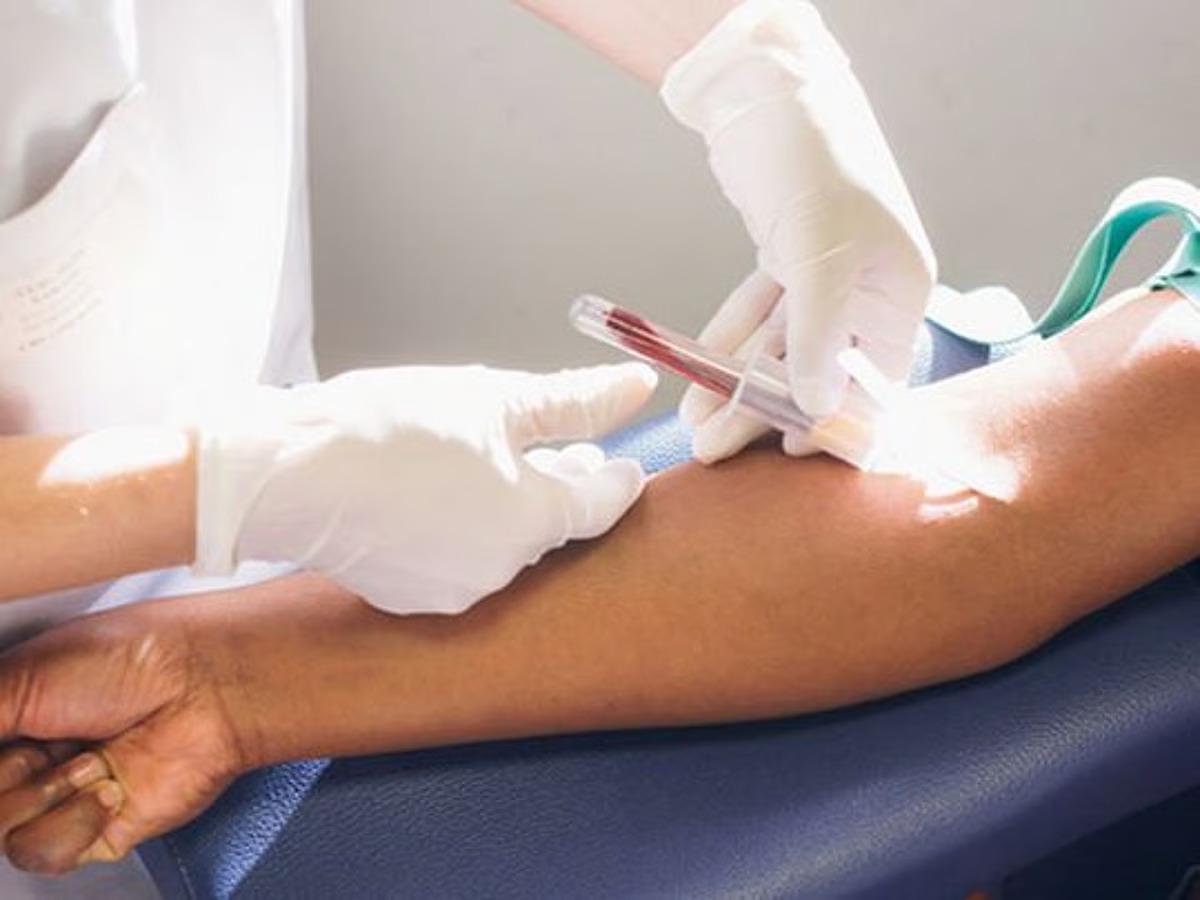
A healthcare professional collects a small blood sample from a vein, usually in the arm. The sample is then sent to a laboratory for analysis using recognised diagnostic methods.
Your healthcare provider will explain which tests are being performed and when you can expect the results.
Can You Have Hepatitis B Without Symptoms?
Yes. Some people with hepatitis B have no noticeable symptoms.
Others may experience fatigue, nausea, abdominal discomfort, dark urine, fever, or yellowing of the skin and eyes. However, these symptoms can occur with many other conditions and cannot confirm hepatitis B.
Laboratory testing is needed to properly evaluate your hepatitis B status.
What If the Initial Result Is Negative?
A negative result can be reassuring, but its meaning depends on the timing and type of test.
If testing takes place shortly after a possible exposure, certain markers may not yet be detectable. Your healthcare professional may therefore recommend follow-up testing based on the circumstances.
Following the recommended testing schedule provides a more complete assessment.
What If the Result Is Positive?
A positive result does not automatically provide the complete picture of your health.
Depending on which marker is positive, your healthcare provider may recommend additional blood tests to determine whether the finding represents a current infection, previous exposure, or another situation. Professional interpretation is essential before reaching any conclusion.
If an active infection is confirmed, your healthcare provider can discuss appropriate medical evaluation and follow-up.
Vaccination and Preventive Measures
Hepatitis B vaccination can help prevent infection.
After a possible exposure, a healthcare professional may review your vaccination history and determine whether additional preventive measures are appropriate. The recommended approach depends on your vaccination status, exposure circumstances, and individual health factors.
Medical advice should be sought promptly after a significant suspected exposure.
Choosing a Trusted Testing Provider in Dubai
Reliable laboratory services are important when testing after a possible exposure.
Choose a provider with qualified healthcare professionals, recognised diagnostic standards, modern laboratory technology, strict quality control procedures, and confidential patient services. A trusted provider should also offer professional guidance about test timing and follow-up.
Accurate testing and appropriate medical interpretation help reduce uncertainty.
Conclusion
A Hepatitis B Test in Dubai can provide important information after possible exposure to hepatitis B. Because the timing of testing can affect which markers are detectable, it is important to seek professional medical advice rather than relying on symptoms or testing too early.
If you believe you have been exposed, speak with a qualified healthcare professional promptly. Choosing a trusted provider for your Hepatitis B Test in Dubai ensures reliable laboratory analysis, confidential care, and appropriate guidance about follow-up testing and preventive measures

 English
 Arabic
 French
 Spanish
 Portuguese
 Turkish
 Dutch
Dutch
 Italiano
 Russian
 Romaian
 Portuguese (Brazil)
 Greek
Greek
