
Common Blood Tests You Can Get Done at Home
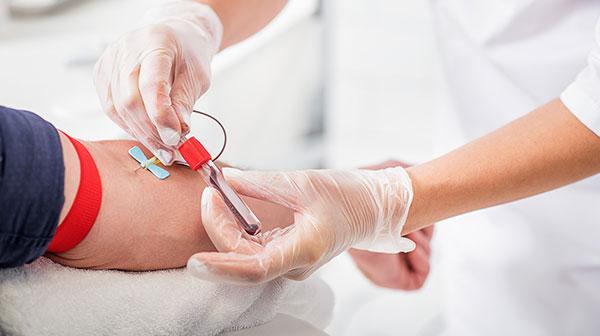
Healthcare services have evolved significantly in recent years, making it easier for individuals to monitor their health without visiting hospitals or laboratories. One of the most convenient options available today is the Blood Test at Home service, which allows patients to have samples collected by trained professionals from the comfort of their homes. This approach saves time, reduces travel, and encourages people to stay consistent with routine health monitoring. Many common diagnostic tests can now be performed through home collection services while maintaining the same accuracy and reliability as traditional laboratory testing.
Complete Blood Count (CBC) Test:
The Complete Blood Count is one of the most frequently recommended blood tests because it provides an overall snapshot of a person’s health. Doctors often use this test to detect infections, anemia, and other underlying medical conditions.
A CBC test typically measures several components of blood, including:
-
Red blood cells that carry oxygen throughout the body
-
White blood cells that help fight infections
-
Hemoglobin levels that indicate oxygen-carrying capacity
-
Hematocrit levels that show the proportion of red blood cells
-
Platelets that help with blood clotting
This test is commonly included in routine health screenings and can easily be arranged through home sample collection services.
Blood Sugar Testing for Diabetes Monitoring:
Blood sugar tests are essential for diagnosing and monitoring diabetes. These tests help determine how effectively the body regulates glucose levels and whether lifestyle changes or medications are required.
Common blood sugar tests include:
-
Fasting blood glucose test
-
Random blood sugar test
-
HbA1c test for long-term glucose monitoring
-
Post-meal glucose testing
Using home testing services ensures that individuals can monitor their blood sugar levels regularly without the inconvenience of repeated laboratory visits.
Lipid Profile for Heart Health:
A lipid profile test measures different types of fats in the blood and plays a critical role in assessing cardiovascular health. High cholesterol levels are a major risk factor for heart disease, making regular testing important for early detection and prevention.
This test generally evaluates:
-
Total cholesterol levels
-
Low-density lipoprotein (LDL) cholesterol
-
High-density lipoprotein (HDL) cholesterol
-
Triglyceride levels
Through a Blood Test at Home service, individuals can monitor these important markers conveniently and share the results with their healthcare providers for proper guidance.
Thyroid Function Tests:
The thyroid gland regulates metabolism, energy levels, and hormone balance in the body. Thyroid disorders are relatively common and can cause symptoms such as fatigue, weight changes, and mood fluctuations.
Thyroid function tests usually measure:
-
Thyroid Stimulating Hormone (TSH)
-
Triiodothyronine (T3)
-
Thyroxine (T4)
Monitoring these hormone levels helps doctors diagnose conditions like hypothyroidism and hyperthyroidism. Home collection services make it easier for patients to complete these tests regularly, especially if they require ongoing treatment monitoring.
Vitamin Deficiency Tests:
Vitamin deficiencies can significantly affect overall health, leading to symptoms such as fatigue, weak immunity, and bone problems. Blood tests can identify deficiencies and help doctors recommend appropriate dietary or supplement solutions.
Common vitamin tests include:
-
Vitamin D test for bone and immune health
-
Vitamin B12 test for nerve function and energy levels
-
Folate test for red blood cell production
-
Iron studies for detecting iron deficiency anemia
With convenient diagnostic services, patients can arrange these tests easily through a Blood Test at Home appointment.
Liver and Kidney Function Tests:
The liver and kidneys play essential roles in filtering toxins, regulating metabolism, and maintaining overall health. Blood tests that evaluate these organs help detect early signs of damage or disease.
These tests often include:
-
Liver enzymes such as ALT and AST
-
Bilirubin levels
-
Creatinine levels for kidney function
-
Blood urea nitrogen (BUN) levels
-
Electrolyte balance indicators
Regular monitoring of these markers helps doctors identify potential problems early and recommend timely treatment or lifestyle changes.
Final Thoughts:
Routine blood testing is a fundamental part of preventive healthcare, helping detect potential health issues before they become serious. Modern diagnostic services have made these tests more accessible and convenient than ever. A Blood Test at Home allows individuals to complete essential medical testing without the stress of traveling to laboratories or waiting in long queues. By taking advantage of these services, people can maintain consistent health monitoring, receive timely medical insights, and make informed decisions about their overall well-being.

 English
 French
 Spanish
 Portuguese
 Deutsch
 Turkish
 Dutch
Dutch
 Italiano
 Russian
 Romaian
 Portuguese (Brazil)
 Greek
Greek