
A Complete Guide to A 3 Point Tractor Hitch for Modern Farming
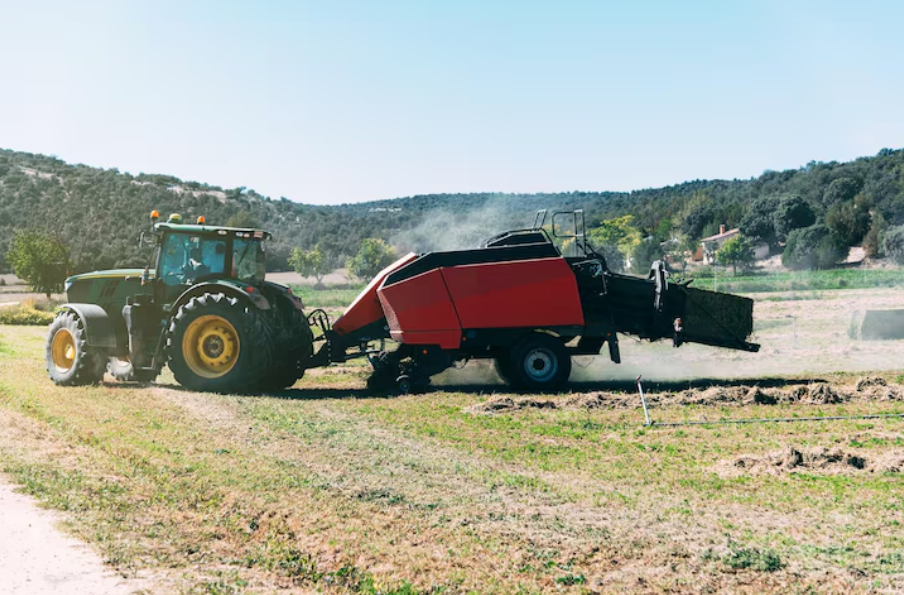
Agriculture has evolved significantly with the introduction of advanced machinery and efficient equipment. Among the many innovations that have transformed farming, A 3 point tractor hitch stands out as one of the most practical and essential systems used with modern tractors. Whether you own a small family farm or manage a large agricultural operation, understanding how this attachment system works can help you improve productivity, reduce labor, and complete a variety of farming tasks with ease.
A tractor alone is a powerful machine, but its true versatility comes from the implements it can operate. From plows and cultivators to mowers and seeders, a wide range of equipment can be connected through a hitch system. This makes tractors capable of performing multiple jobs without requiring separate machines for each task.
One of the biggest reasons farmers appreciate this hitch system is its simplicity. It provides a secure and balanced connection between the tractor and the implement, ensuring smooth operation even on uneven terrain. The design distributes weight effectively, improving stability while making equipment easier to control.
What Is A 3 Point Tractor Hitch?
A 3 point tractor hitch is an attachment system that connects agricultural implements to a tractor using three mounting points. Two lower arms provide support and lifting capability, while an upper link stabilizes the implement and controls its angle during operation.
This triangular connection creates a strong and reliable structure that allows equipment to move with the tractor while maintaining proper alignment. Because the implement becomes an extension of the tractor, operators experience better handling, improved safety, and greater efficiency in the field.
This design has become a standard feature on most modern tractors due to its versatility and dependable performance.
Main Components of the Hitch System
Understanding the basic parts of the hitch system helps operators maintain it properly and achieve better performance.
The lower lift arms are responsible for carrying the majority of the implement's weight. Hydraulic systems raise and lower these arms, allowing operators to transport or position equipment with minimal effort.
The top link connects the upper portion of the implement to the tractor. Adjusting its length changes the working angle, ensuring the equipment performs correctly during different tasks.
Lift rods transfer hydraulic movement from the tractor to the lower arms. These rods allow smooth lifting and lowering while supporting heavy loads.
Stabilizers reduce unwanted side-to-side movement, improving control and protecting both the tractor and the implement from excessive wear.
Hydraulic controls make operation easier by allowing adjustments directly from the driver's seat.
Benefits of Using This Hitch System
The popularity of this attachment method comes from the many advantages it offers.
One major benefit is versatility. A single tractor can perform dozens of different tasks simply by changing implements.
Another advantage is efficiency. Operators can quickly attach or remove equipment, reducing downtime between jobs.
Improved stability is another important feature. The three-point connection keeps implements balanced, allowing smoother operation across rough fields.
Better weight distribution also increases traction, helping tractors maintain grip while pulling heavy equipment.
The system improves precision because implements follow the movement of the tractor more naturally than trailer-style attachments.
Maintenance costs are often lower because the hitch reduces unnecessary stress on connected equipment.
Farmers also appreciate the increased safety provided by secure attachment points that minimize shifting during operation.
Common Implements Used with the Hitch
Many agricultural tools rely on this hitch system.
Plows prepare soil for planting by turning over the earth.
Cultivators loosen soil while removing weeds between crop rows.
Disc harrows break up large soil clumps and prepare seedbeds.
Rotary tillers mix soil thoroughly before planting vegetables or other crops.
Seed drills place seeds at consistent depths for better germination.
Mowers help maintain fields, orchards, and pastureland.
Post hole diggers simplify fence installation and tree planting.
Sprayers assist in applying fertilizers and crop protection products.
Rear blades are useful for grading roads, leveling gravel, and clearing snow.
Landscape rakes remove rocks and debris from fields or construction sites.
Each implement expands the tractor's capabilities, making it a valuable investment.
Choosing the Right Hitch Category
Not all tractors use the same hitch size. Selecting the correct category ensures compatibility and safe operation.
Category 0 is commonly found on compact tractors used for gardening and light landscaping.
Category 1 is the most popular option for small farms and property maintenance.
Category 2 supports larger implements and medium-sized agricultural tractors.
Category 3 is designed for heavy farming operations requiring powerful tractors.
Larger commercial tractors may use Category 4 systems for extremely demanding agricultural work.
Always confirm that both the tractor and the implement belong to the same category before connecting them.
Proper Attachment Procedure
Attaching equipment correctly improves both safety and efficiency.
Begin by parking the tractor on level ground.
Align the tractor carefully with the implement.
Connect both lower lift arms first before attaching the top link.
Secure all locking pins properly.
Adjust stabilizers to eliminate excessive side movement.
Raise the implement slowly using hydraulic controls.
Inspect every connection before moving the tractor.
Perform a short test run to verify that the equipment operates correctly.
Following these steps reduces wear while preventing accidental detachment.
Maintenance Tips
Routine maintenance extends the lifespan of both the tractor and the hitch.
Lubricate pivot points regularly.
Inspect hydraulic hoses for leaks or cracks.
Replace worn pins immediately.
Check lift arms for bending or damage.
Keep moving components clean and free from dirt.
Tighten loose hardware before each season.
Store implements properly when not in use.
Regular inspections prevent costly repairs and unexpected downtime.
Safety Practices
Safe operation should always be a priority.
Never exceed the tractor's lifting capacity.
Avoid standing between the tractor and the implement while connecting equipment.
Wear appropriate protective clothing during operation.
Operate at safe speeds, particularly when transporting heavy implements.
Lower attached equipment before leaving the tractor.
Inspect hydraulic systems frequently for proper function.
Read the operator's manual before using unfamiliar implements.
These simple precautions greatly reduce the risk of accidents.
Increasing Farm Productivity
Modern farming depends on efficiency, and the hitch system plays an important role in improving daily operations.
Farmers can complete multiple tasks with one tractor by switching implements throughout the day. This flexibility saves both time and fuel while reducing equipment ownership costs.
The hydraulic lifting system minimizes manual labor, allowing operators to work faster with less physical effort. Better control also improves the quality of field operations, resulting in more consistent planting, cultivation, and harvesting conditions.
Because implements can be changed quickly, seasonal work becomes easier to manage. Whether preparing soil in spring, mowing during summer, or grading roads in winter, the tractor remains useful throughout the year.
Conclusion
A reliable tractor is only as useful as the equipment it can operate, and A 3 point tractor hitch remains one of the most valuable systems in modern agriculture. Its durable design, excellent stability, easy implement changes, and wide compatibility make it an essential feature for farms of every size. By understanding how A 3 point tractor hitch works, selecting compatible implements, performing regular maintenance, and following safe operating practices, farmers can maximize productivity while extending the lifespan of both tractors and agricultural equipment. Investing time in learning this system ultimately leads to more efficient operations, lower maintenance costs, and greater success in the field.
Character Count (including spaces): Approximately 7,450

 English
 Arabic
 French
 Spanish
 Portuguese
 Deutsch
 Turkish
 Dutch
Dutch
 Italiano
 Russian
 Portuguese (Brazil)
 Greek
Greek
