Hair loss treatments have evolved significantly in recent years, offering solutions that focus on natural healing and regeneration. One such treatment gaining attention is prp treatment in riyadh, which uses the body’s own growth factors to stimulate hair follicles and encourage healthier hair growth. Because it relies on natural biological components, many people consider it a safe and minimally invasive option for hair restoration.
While PRP Hair Treatment in Riyadh is widely known for its regenerative benefits, individuals often want to understand the possible side effects before deciding on the treatment. Knowing what to expect helps patients feel more confident and prepared when considering this procedure.
What Is PRP Hair Treatment?
PRP stands for Platelet-Rich Plasma, a therapy derived from the patient’s own blood. Platelets contain growth factors that support tissue repair and cell regeneration.
How PRP Helps with Hair Restoration
-
Stimulates weak or inactive hair follicles
-
Improves blood circulation in the scalp
-
Strengthens hair roots
-
Encourages thicker and healthier hair growth
Since the treatment uses the patient’s own plasma, it reduces the risk of allergic reactions and makes the procedure safer for many individuals.
Common Side Effects of PRP Hair Treatment
PRP therapy is generally well tolerated, but like most medical procedures, it may involve some temporary side effects.
Mild Scalp Discomfort
Some patients may experience mild discomfort or tenderness in the scalp after the injections. This usually fades within a short time.
Redness or Swelling
Temporary redness or swelling at the injection sites can occur because the scalp has been stimulated during the procedure.
Minor Bruising
Small bruises may appear where the injections were administered. These usually heal naturally within a few days.
Temporary Headache
A few individuals may experience a mild headache following the treatment session due to the injection process.
These side effects are usually short-term and resolve without requiring special treatment.
Rare Side Effects to Be Aware Of
Although uncommon, certain reactions may occur in rare cases.
Infection Risk
Any procedure involving injections carries a small risk of infection if proper hygiene protocols are not followed.
Temporary Scalp Sensitivity
Some individuals may experience increased scalp sensitivity after treatment, but this typically improves quickly.
Allergic Reactions
Because PRP uses the patient’s own blood, allergic reactions are extremely rare.
Receiving treatment from experienced specialists helps reduce the likelihood of complications.
What Happens During a PRP Hair Treatment Session?
Understanding the treatment process can help patients feel more comfortable and prepared.
Step 1: Blood Collection
A small amount of blood is drawn from the patient’s arm.
Step 2: Plasma Separation
The blood sample is placed in a centrifuge machine to separate platelet-rich plasma from other blood components.
Step 3: PRP Injection
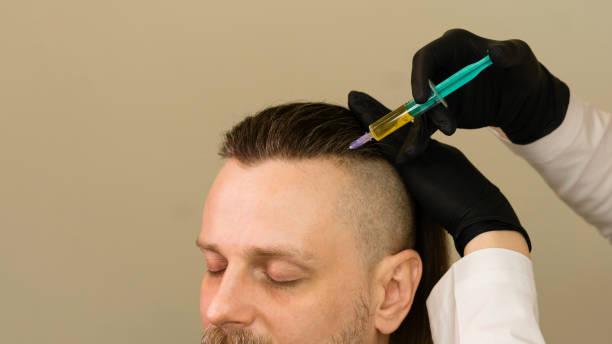
The concentrated plasma is injected into specific areas of the scalp where hair thinning occurs.
These injections deliver growth factors directly to hair follicles, stimulating regeneration and improving scalp health.
How to Minimize Side Effects
Following proper aftercare can help reduce the chances of discomfort or complications after PRP therapy.
Follow Post-Treatment Instructions
Specialists may provide guidelines on scalp care after the procedure.
Avoid Harsh Hair Products
Using gentle hair care products helps protect the scalp while it recovers.
Protect the Scalp
Avoid excessive sun exposure or harsh treatments immediately after the session.
Maintain Healthy Habits
A balanced diet and proper hydration support healing and hair growth.
Who Is a Suitable Candidate for PRP Hair Treatment?
PRP therapy works best for individuals experiencing early to moderate hair thinning.
Ideal Candidates
-
Men with early-stage male pattern hair loss
-
Women experiencing hair thinning
-
Individuals with active hair follicles
-
Patients seeking non-surgical hair restoration options
When Results May Be Limited
-
Advanced baldness with inactive follicles
-
Certain scalp infections or medical conditions
-
Long-term severe hair loss
A professional consultation helps determine whether the treatment is appropriate for each individual.
Why PRP Hair Treatment Is Considered Safe
PRP therapy has become widely used in various medical fields because it utilizes the body’s natural healing mechanisms.
Key Safety Advantages
-
Uses the patient’s own blood plasma
-
Minimally invasive procedure
-
Short recovery period
-
Low risk of serious complications
Because of these benefits, PRP Hair Treatment in Riyadh is considered a reliable option for individuals seeking natural and effective hair restoration treatments.
Book Your Consultation
If you are experiencing hair thinning or increased hair shedding, expert advice can help you choose the right treatment. At Royal Clinic Saudia, experienced specialists offer advanced regenerative hair treatments designed to stimulate hair follicles and support healthier hair growth. Book your consultation today to discover personalized solutions for achieving thicker, stronger, and fuller hair.
FAQs:
Are PRP hair treatment side effects permanent?
Most side effects of PRP therapy are temporary and usually disappear within a short period after the treatment.
Does PRP hair treatment cause pain?
Some mild discomfort may occur during injections, but it is generally manageable and short-lived.
How long does scalp redness last after PRP?
Redness or mild swelling usually subsides within a short time after the procedure.
Is PRP therapy safer than surgical hair restoration?
PRP therapy is considered minimally invasive and typically involves fewer risks compared to surgical hair restoration methods.


 English
 Arabic
 Spanish
 Portuguese
 Deutsch
 Turkish
 Dutch
Dutch
 Italiano
 Russian
 Romaian
 Portuguese (Brazil)
 Greek
Greek