
How This Serum Repairs and Revitalizes Skin
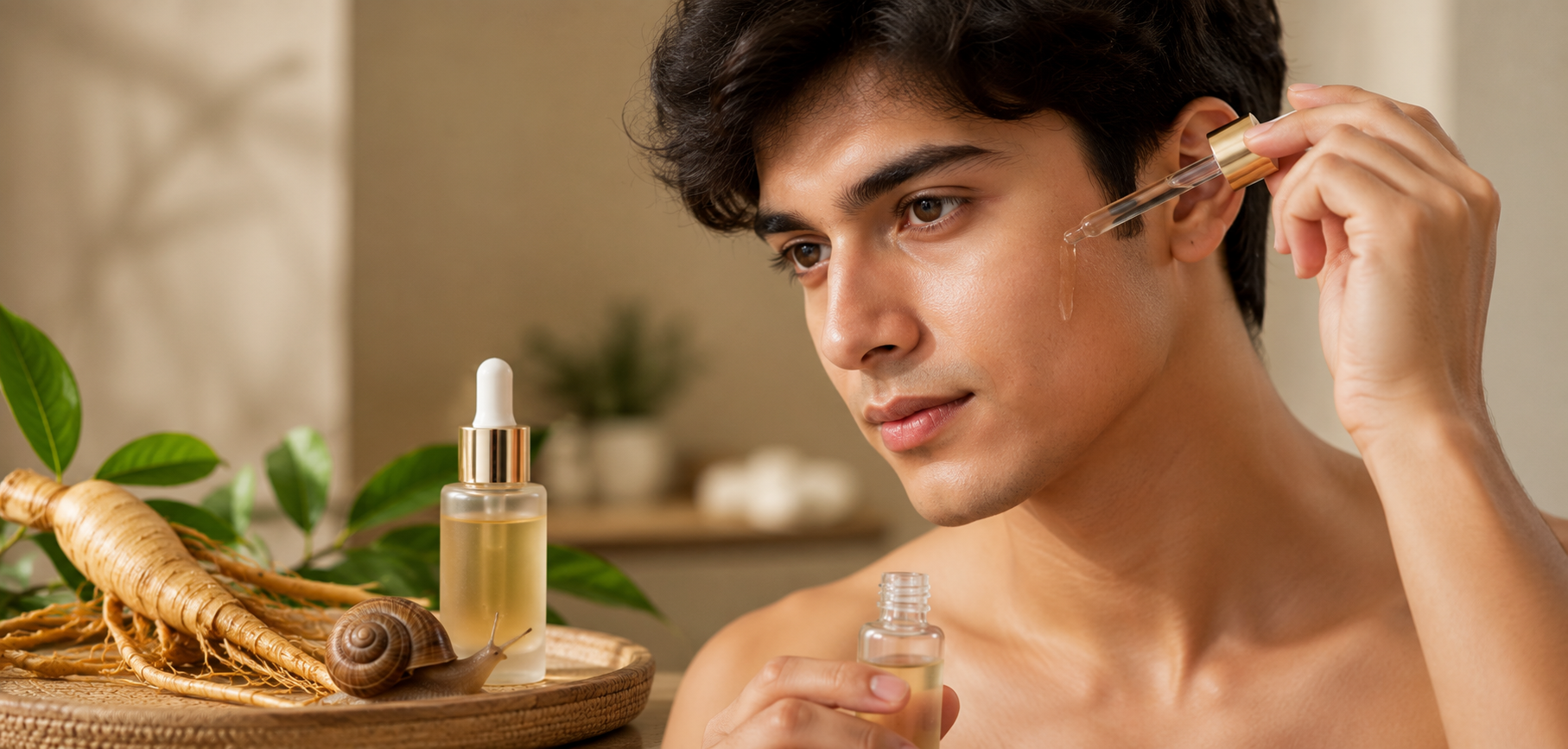
Modern daily life exposes our skin to a variety of harsh stressors. Environmental pollution, fluctuating weather conditions, UV radiation, and the over-use of aggressive chemical exfoliants can slowly chip away at the skin barrier. When this protective outermost layer is compromised, your face becomes vulnerable to moisture loss, irritation, stubborn redness, and premature aging.
Restoring this barrier requires a transition from aggressive treatments to deeply nourishing, restorative ingredients. Instead of chasing temporary quick fixes, the most effective approach focuses on natural, time-tested ingredients that work in harmony with your skin’s biological processes.
Integrating a dedicated restorative treatment like the Ginseng Snail Repair Serum into your daily routine is one of the most effective ways to target deep-seated damage, replenish hydration, and boost cellular renewal. By merging ancient Hanbang herbal wisdom with modern dermatological science, this unique formula works to rebuild your moisture barrier while delivering a firm, luminous complexion.
Understanding the Power of Ginseng in Traditional Skincare
Ginseng has been celebrated for centuries in East Asian medicine as a longevity herb, and its benefits for the skin are equally legendary. Often referred to as a natural skin energizer, ginseng is rich in saponins, which are bioactive compounds that help protect the skin from oxidative stress and free radical damage.
When applied topically, ginseng root water stimulates blood circulation in the tiny vessels of the face. This increased microcirculation boosts oxygen and nutrient delivery to the skin cells, which naturally accelerates the cellular turnover process.
Additionally, ginseng works to inhibit melanin production, helping to fade hyperpigmentation, dark spots, and uneven patches. Over time, this natural botanical revitalizes a dull, tired complexion, bringing back a youthful and healthy glow.
The Science Behind Snail Mucin and Skin Repair
Snail secretion filtrate, commonly known as snail mucin, has taken the global skincare community by storm, and for good reason. Far from being a passing beauty trend, snail mucin is a biological powerhouse packed with naturally occurring skin-loving nutrients.
Snail mucin is naturally rich in hyaluronic acid, glycoprotein enzymes, antimicrobial peptides, and glycolic acid. These components work together to seal moisture into the deep layers of the epidermis while gently refining rough skin texture.
For those struggling with acne scars, compromised barriers, or general skin sensitivity, snail mucin acts as an exceptional healing agent. It triggers the synthesis of collagen and elastin, which are the structural proteins responsible for keeping your skin plump, springy, and resilient against fine lines.
How the Synergy of Ginseng and Snail Mucin Transforms Your Skin
When you combine the energizing properties of ginseng with the deep rebuilding qualities of snail mucin, you get a synergistic powerhouse. Ginseng works from the inside out to boost cellular vitality, while snail mucin acts on the surface and mid-layers to soothe, hydrate, and repair.
This powerful combination targets multiple signs of aging and skin distress simultaneously. While ginseng fights off the free radicals that lead to wrinkles and dullness, snail mucin fills in the gaps of a cracked, dehydrated skin barrier by instantly binding moisture to the tissue.
The result of this dynamic duo is a dramatic reduction in skin reactivity, a smoother overall texture, and a visible bounce. It is an ideal solution for anyone looking to transition their routine toward barrier preservation and healthy aging.
Key Active Ingredients That Support Skin Restoration
To maximize the benefits of a repair serum, look for supporting ingredients that enhance hydration and strengthen the skin barrier. A well-rounded formula often contains complementary actives that lock in the benefits of the primary botanicals.
Niacinamide, or Vitamin B3, is a crucial supporting active that works alongside ginseng to brighten dark spots, control excess sebum production, and reinforce the lipid barrier. It prevents transepidermal water loss, ensuring that your skin stays hydrated for longer periods.
Hyaluronic acid and adenosine are also highly beneficial additions. While hyaluronic acid draws moisture into the skin to instantly plump up fine lines, adenosine provides powerful anti-inflammatory and wrinkle-smoothing properties to promote a relaxed, youthful look.
How to Integrate a Repair Serum Into Your Skincare Routine
To get the most out of your nourishing repair serum, it is important to apply it in the correct order within your morning and evening skincare routines. Proper layering ensures maximum absorption and efficacy of the active ingredients.
Start by thoroughly cleansing your face with a gentle, hydrating cleanser to remove dirt and impurities without stripping your natural lipids. Follow with a soothing toner to balance your skin's pH levels and prepare the tissue for better product absorption.
Apply two to three drops of your repair serum to your face and neck, gently patting it into the skin rather than rubbing. Once the serum has fully absorbed, seal in all that nutrient-rich hydration with a lipid-rich moisturizer and finish with a broad-spectrum sunscreen during the day.
Choosing the Right Products for Your Unique Skin Type
Whether you have dry, sensitive, oily, or combination skin, focusing on barrier repair is universally beneficial. However, selecting products that cater to your specific skin type will help you achieve optimal results without clogging pores or causing irritation.
Dry and sensitive skin types will benefit immensely from the rich, soothing, and deeply hydrating nature of ginseng and snail mucin, as these ingredients calm redness and eliminate dry patches.
If you have oily or acne-prone skin, you do not need to fear hydrating serums. Lightweight, fast-absorbing water-based formulations deliver necessary hydration to the skin without leaving a greasy residue, helping to balance sebum production naturally.
What to Expect The Timeline of Skin Healing
Skin repair is a journey that requires consistency, patience, and realistic expectations. While some skincare products promise overnight miracles, true cellular repair and barrier rebuilding take time to show on the surface.
In the first few days of consistent use, you will likely notice an immediate increase in skin hydration and a reduction in surface flakiness or dry patches. Your skin will feel softer and look more comfortable.
Within four to six weeks, which aligns with the natural skin cell regeneration cycle, you will start to see more significant changes. Fine lines will appear softened, dark spots will begin to fade, and your overall skin barrier will feel stronger and less reactive to external triggers.
Common Mistakes to Avoid When Rebuilding Your Skin Barrier
When trying to heal damaged skin, many people make mistakes that unintentionally delay the recovery process. Awareness of these common pitfalls can help you protect your skin and speed up the healing timeline.
One major mistake is continuing to use high percentages of active acids, such as AHAs, BHAs, and strong retinols, while your barrier is actively compromised. It is best to pause these aggressive treatments and focus purely on hydration and repair until your skin is healthy again.
Another mistake is over-complicating your skincare routine with too many steps. Introducing too many products at once makes it difficult to identify what is helping or what might be causing further irritation; keeping your routine simple and intentional is key.
FAQs
Is ginseng safe to use for sensitive or redness-prone skin types?
Yes, ginseng is highly beneficial for sensitive and redness-prone skin. It contains natural anti-inflammatory properties that help soothe irritation, while its rich antioxidant content strengthens the skin against environmental triggers.
Can I use snail mucin products if I have oily or acne-prone skin?
Snail mucin is excellent for oily and acne-prone skin because it is lightweight, non-comedogenic, and deeply hydrating. It delivers moisture without clogging pores and contains natural healing properties that help fade post-acne marks.
How long does it take to see visible results from a repair serum?
You can expect to feel increased hydration and softness within a few days. For more structural changes, such as improved elasticity, faded dark spots, and a stronger barrier, it typically takes four to six weeks of daily, consistent use.
Should I apply my repair serum on damp or completely dry skin?
It is best to apply your repair serum to slightly damp skin, right after using your toner. This helps the hydrating ingredients, such as hyaluronic acid and snail mucin, lock in extra moisture for a plumper appearance.
Can this serum be used in both morning and evening routines?
Yes, a restorative serum can be safely used both morning and night. In the morning, it provides antioxidant protection and a healthy glow under makeup, while at night, it supports the skin’s natural regeneration and repair process.
Final Summary
Achieving a healthy, glowing complexion does not require harsh chemicals or overly complicated, twenty-step routines. By turning to the time-tested synergy of traditional Korean Hanbang ingredients like nourishing ginseng and deeply restorative snail mucin, you can gently rebuild a compromised skin barrier from the inside out.
Embracing a simple, intentional, and ingredient-focused routine allows your skin to heal, regenerate, and thrive naturally. Invest in the long-term health of your skin barrier, stay consistent with your daily application, and enjoy the journey toward a smoother, firmer, and more radiant complexion.

 Arabic
 French
 Spanish
 Portuguese
 Deutsch
 Turkish
 Dutch
Dutch
 Italiano
 Russian
 Romaian
 Portuguese (Brazil)
 Greek
Greek
