
How to Choose a Construction Site Security Agency in the UK
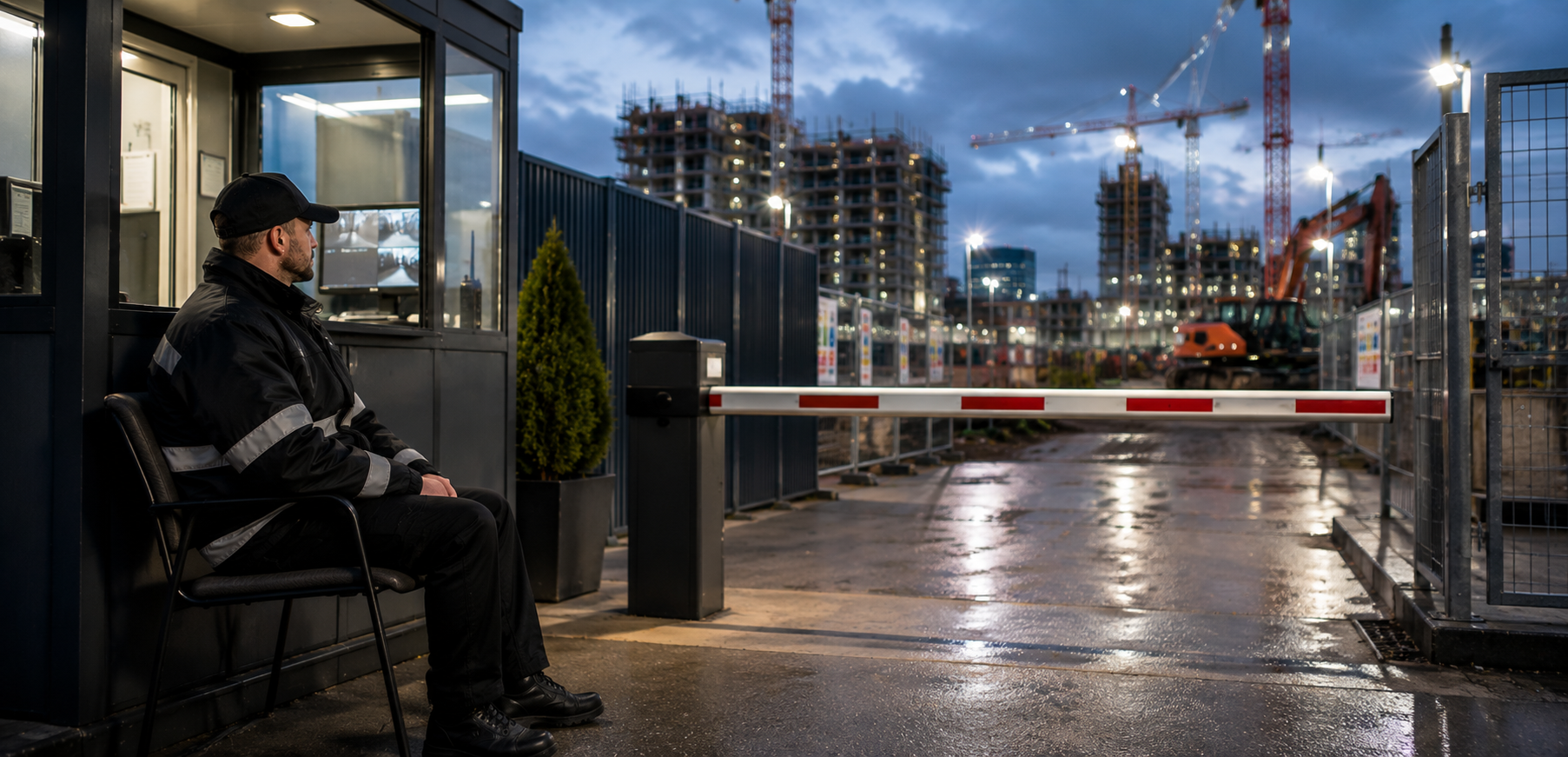
Construction sites are high value targets for criminals. They contain expensive machinery, valuable raw materials, and specialized tools that can easily be resold on the black market. Unauthorized entry not only leads to significant financial losses but also poses massive health and safety liabilities for site managers. Preventing these issues requires a proactive, multi layered approach to security.
Building sites face a unique set of challenges compared to established commercial properties. They are constantly changing environments, meaning that a security plan that works during the excavation phase might be completely inadequate once the main structure starts going up. In addition to theft, sites are vulnerable to arson, vandalism, and the risk of accidents involving trespassers who may try to enter the premises after hours.
To combat these evolving threats, partnering with a professional construction site security agency in UK is one of the most effective steps a project manager can take. A dedicated agency brings specialized expertise, utilizing SIA licensed security guards who understand the specific hazards and regulatory requirements of the construction industry. This level of professional oversight ensures that your project remains on schedule, within budget, and completely secure from start to finish.
Common Security Risks on Construction Sites
The first step in protecting any development is understanding the specific threats it faces. Construction sites are uniquely vulnerable because they are often open, sprawling, and filled with highly valuable, easily transportable assets.
Theft of plant machinery and tools is the most common crime reported on UK building sites. Items like excavators, generators, and specialized power tools are expensive to replace and hard to track once they leave the site. The loss of these items also leads to project delays, which can carry heavy financial penalties.
Vandalism and arson represent another major threat. Idle youth, trespassers, or organized groups may enter empty sites at night to destroy property, spray graffiti, or start fires. This not only causes direct physical damage but can also compromise the structural integrity of buildings under construction.
Finally, there is the issue of public liability. If a member of the public, a child, or an urban explorer climbs onto your site and suffers an injury, the site operator can still be held legally liable. Having robust physical boundaries and active monitoring is essential to prevent unauthorized access and mitigate these legal risks.
The Role of SIA Licensed Security Guards
While technology plays an important role in modern security, nothing replaces the visual deterrent and rapid decision making capabilities of physical security personnel.
SIA licensed security guards are trained to handle a wide variety of situations, from peaceful conflict resolution to emergency response. Having a uniform presence at the gates sends a clear message to opportunistic criminals that the site is actively monitored and protected.
Guards do much more than just stand watch at the entrance. They perform regular, structured patrols across the entire site layout, checking that perimeter fencing is intact, scaffolding is secure, and high value equipment is properly locked away.
During operational hours, security officers manage access control by verifying the credentials of all workers, delivery drivers, and visitors. This prevents unauthorized individuals from wandering onto the site, keeping your workforce safe and ensuring that only vetted personnel have access to sensitive areas.
Implementing Multi Layered Physical Security
The first layer is always the physical perimeter. Strong, secure hoarding or Heras fencing acts as the primary barrier to entry. It should be tall enough to deter climbing and regularly inspected for any signs of tampering or weak spots that could be exploited.
Access points must be strictly controlled. Limiting the site to a single point of entry and exit during working hours makes it much easier to monitor who is coming and going. Wheel washes, delivery gates, and pedestrian turnstiles should all be locked and secured as soon as the working day ends.
Clear warning signage should be prominently displayed around the entire perimeter. Signs indicating that the site is under 24/7 surveillance, that guard patrols are active, and that trespassers will be prosecuted serve as an excellent first line of psychological defence against potential intruders.
Leveraging CCTV and Remote Monitoring
Modern technology has transformed how we protect temporary sites, providing constant eyes on the ground even when officers are patrolling other areas.
When combined with remote monitoring, CCTV becomes a highly proactive tool. If an infrared sensor or motion detector is triggered out of hours, the live video feed is instantly sent to a central monitoring station where trained operators can assess the threat in real time.
If an intruder is detected, operators can issue live audio challenges through speakers on the CCTV tower, warning the trespassers that they have been spotted and that security forces are on their way. In many cases, this audio warning is enough to make criminals flee before they can cause damage or steal assets.
The Importance of Keyholding and Alarm Response
Even with the best preventative measures, emergencies can still happen in the middle of the night. Having a reliable, professional response plan in place is essential to minimize damage.
A professional keyholding service ensures that trusted, trained security personnel are the first point of contact when an alarm is triggered. This relieves business owners and site managers from the dangerous and inconvenient task of attending a dark, potentially hazardous site in the middle of the night.
Upon receiving an alarm alert, mobile patrol officers are dispatched to the site immediately. They will conduct a thorough external and internal sweep of the premises to identify the cause of the alarm and check for signs of forced entry.
If a breach or a crime is discovered, the responding officer will immediately secure the area, contact the police, and remain on site until the property is fully secured. A detailed report of the incident is then provided to the client, ensuring complete transparency and documentation for insurance purposes.
Maintaining Standards and Regulatory Compliance
When selecting a security provider, compliance with national standards and industry regulations is non negotiable. Using unaccredited or poorly trained personnel can lead to severe operational and legal consequences.
Look for providers that hold Approved Contractor Scheme status with the Security Industry Authority. This accreditation ensures that the company's management, employment practices, and training standards have been independently assessed and meet strict industry guidelines.
Compliance with British Standards is equally vital. Vetting procedures should strictly follow standards to ensure that all staff members have underwent comprehensive background checks, employment history verification, and character references before being deployed to any site.
Additionally, certifications such as Constructionline Gold, SafeContractor, and CHAS demonstrate that a security company takes health and safety seriously. These accreditations show that the security operatives are trained to work safely alongside construction crews on active, hazardous sites.
Frequently Asked Questions
What are the main security risks on a UK construction site?
The most common risks include the theft of high value plant machinery, hand tools, and raw materials such as copper cabling. Vandalism, arson, and unauthorized access by trespassers or urban explorers also pose major financial and legal liabilities for project managers.
Why is SIA licensing important for construction security guards?
An SIA licence proves that a security guard has undergone mandatory professional training and passed comprehensive background and criminal record checks. Utilizing licensed guards ensures that your security personnel are qualified to handle conflict, manage access control, and respond to site emergencies legally and effectively.
How do mobile CCTV towers protect temporary building sites?
Mobile CCTV towers provide rapid deployment, high definition surveillance without needing a mains power supply. They can be moved around the site as construction progresses, offering 24/7 remote monitoring, motion detection, and live audio warnings to deter intruders before they can cause damage.
What does a keyholding and alarm response service involve?
Keyholding involves securely storing a set of your site's keys at a secure monitoring centre. If your site alarm triggers out of hours, a professional, mobile security officer is dispatched to inspect the site, liaise with emergency services if necessary, and ensure the site is safe, saving you or your staff from having to respond.
How can I verify if a security company is fully compliant?
You should check if the provider is an SIA Approved Contractor and holds ISO quality certifications. Look for memberships in trade bodies such as Constructionline Gold and health and safety accreditations like CHAS or SafeContractor, which verify that their guards are vetted and trained to work on active construction sites.
Wrapping Up
Securing a construction site in the UK requires a comprehensive strategy that combines physical barriers, modern surveillance technology, and professional human oversight. Partnering with an accredited, professional security agency ensures that your valuable assets, machinery, and workforce are fully protected against the constant threats of theft, vandalism, and unauthorized access.
By implementing structured access control, mobile patrol routes, rapid alarm response, and advanced CCTV monitoring, site managers can mitigate risks, prevent costly project delays, and maintain full compliance with health and safety regulations. Ultimately, investing in high quality security services provides the peace of mind needed to deliver construction projects safely, on time, and within budget.

 Arabic
 French
 Spanish
 Portuguese
 Deutsch
 Turkish
 Dutch
Dutch
 Italiano
 Russian
 Romaian
 Portuguese (Brazil)
 Greek
Greek
