
Custom Embroidery Patches: Elevate Your Brand and Personal Style
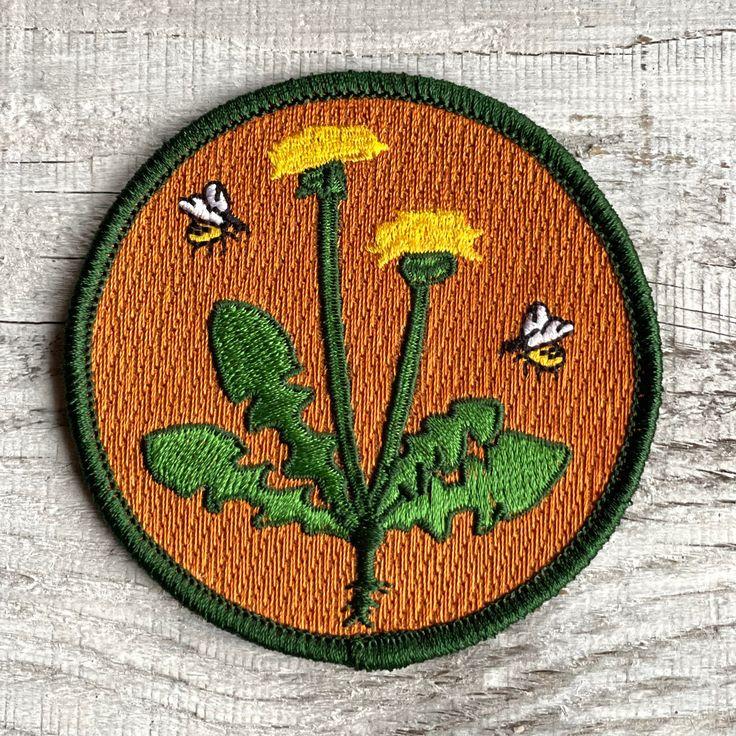
A faded denim jacket gets new life with a single patch. A plain company polo shirt turns into a professional uniform the moment you add a logo. Custom embroidery patches, or stitch patches, are small pieces of fabric that hold a lot of weight. They act as billboards for your brand, badges for your team, or personal expressions on your favorite gear. These patches stand out because of their texture and the way they catch the light. Choosing them over screen-printed designs offers a classic look that lasts for years.
Designing Your Unique Embroidery Patch
Translating Ideas into Visual Designs
The design process starts with a clear goal. Before you draw a single line, ask yourself why you need the patch. Are you creating a logo for your staff, or is this a fun souvenir for your customers? A patch for a work uniform needs to be clean and easy to read from a distance. If the patch is for a hobby or a collection, you can use more colors and finer details.
Keep your design simple at first. Embroidery has physical limits. It cannot show the same level of detail as a photograph. Stick to bold shapes and thick lines. If you have too many small elements, they will blur together once stitched. Sketch your ideas on paper first to see if the composition works. Use a mood board to pick colors that look good together. Keeping your color palette limited to four or five shades helps the patch look sharp and professional.
Mastering Embroidery Design Software and Techniques
Vector files are essential for this work. Programs like Adobe Illustrator allow you to create clean, scalable paths. If you try to use a low-quality photo, the machine will not know where to place the stitches. This leads to a messy final product. Vector graphics keep the lines crisp no matter how much you resize them.
Once the art is ready, it goes through a process called digitizing. This turns your vector art into a stitch file. The digitizer maps out every jump, stop, and turn the needle must make. You should also pick fonts that stay clear when stitched. Thick, blocky, sans-serif fonts are safer than thin or script styles. Thin letters often disappear into the thread density, making them hard to read.
Working with Professional Designers
You do not need to be an expert artist to get a great result. Most manufacturers offer design services. If your initial sketch is messy, show it to their team. They know how to change a complex logo into a embroidery patches custom that stitches well. Look for a designer who asks questions about the final use of your patch.
Do they want to know the fabric it will go on? This shows they care about the end quality. A good designer will suggest changes to your artwork to make sure the final product looks clean.
Material Matters: Threads, Backings, and Edges
The Art of Thread Selection
Thread choice changes the look of your patch. Polyester thread is the most common choice. It is strong, resists fading, and stands up to hot water. Rayon thread offers a higher sheen and looks more luxurious, but it is not as strong. If your patches go on outdoor gear or work pants, choose polyester.
Think about special threads if you want the patch to pop. Metallic thread adds a gold or silver shine, which is perfect for emblems. Glow-in-the-dark thread works well for safety gear or night-time events. Also, remember that thread thickness matters. Using too much thread can make a patch rigid, while too little makes it look flat.
Choosing the Right Patch Backing
The backing holds the patch together and determines how it attaches to clothes. Iron-on backing is popular because it needs no sewing. You place it on your shirt, apply heat, and it sticks. This is perfect for light use. For items that go through the wash often, a sew-on backing is better. It stays put for years.
Velcro backings are great for tactical gear or bags. They allow you to swap patches whenever you want. If you need the patch to hold a specific shape, ask for a plastic or stiff backing. This prevents the edges from curling over time.
Defining the Patch Edge: Merrowed vs. Laser Cut
The edge of your patch finishes the design. A merrowed edge is the classic look. A machine wraps thick thread around the border of the patch. This creates a raised, rounded edge that is very durable. It looks great on hats and jackets.
Laser-cut edges offer a modern, flat look. The machine cuts the patch into any shape you want, even complex ones with many corners. Because the edge is sealed by the heat of the laser, it does not fray. Choose a merrowed edge for a traditional feel or a laser-cut edge for a sleek, custom shape.
Applications That Shine with Custom Patches
Boosting Brand Identity and Marketing
Businesses use custom embroidery patches to turn basic items into branding tools. Uniforms look more professional when staff wear a high-quality patch on their chest or sleeve. This builds trust with your customers. You can also create promotional patches to give away at events. People love to collect patches, and they will put them on their backpacks or jean jackets. This turns your customers into walking billboards for your brand.
Expressing Individuality and Affiliation
Patches help people show who they are. Members of motorcycle clubs use them to show their ranks and history. Sports teams wear them to build unity. Individuals use them to show off their interests in gaming, music, or travel. A denim vest filled with patches tells a story about where the owner has been and what they love.
Adding Value and Functionality to Products
Patches solve problems too. Use one to cover a snag or a hole in a favorite pair of jeans. Outdoor brands add patches to gear to reinforce areas that take a lot of wear and tear. You can also add patches to bags to make them easier to grip or to identify your gear quickly at the airport.
The Custom Patch Ordering Process
Finding the Right Manufacturer
Start your search by looking at online portfolios. Most shops will display their past work on their website. Check if the stitching looks tight and consistent. Ask about minimum order quantities, or MOQs. Some shops will make just ten patches, while others require an order of one hundred. Get quotes from three different shops to compare pricing, but do not just pick the cheapest one. Quality control matters more in the long run.
Submitting Your Artwork and Specifications
Send your files in a high-resolution format. AI, EPS, and PDF files are usually best. If you only have a PNG or JPG, make sure it is large and crisp. Tell the manufacturer the exact size, the backing you want, and the edge style. If you have specific brand colors, provide the Pantone codes. This ensures the thread color matches your company logo perfectly. Before they start mass production, they will send a digital proof. Check it twice. Look for typos and make sure the colors look right. Once you approve it, they start stitching.
Production and Quality Control
The manufacturer turns your file into code for the embroidery machine. High-speed machines stitch the design onto a fabric base. Once the embroidery is done, the machine cuts the patches and adds the backing. Good factories inspect each patch for loose threads or misaligned colors. A high-quality custom patch shows that your brand cares about every small detail.
Beyond the Basics: Advanced Patch Options and Trends
Exploring Unique Patch Techniques
While traditional embroidery is popular, other options exist. Woven patches use thinner threads to create very sharp, flat designs. This is great for tiny text or complex logos. Chenille patches are soft and fuzzy. They are common on varsity jackets. 3D embroidery adds foam under the stitches, which makes the design rise off the fabric. This gives your logo a bold, high-end look.
Sustainable and Eco-Friendly Patch Choices
More brands now ask for green options. You can find threads made from recycled plastic bottles. Some suppliers offer backings made from organic cotton instead of synthetic materials. If your brand promotes eco-friendly values, these small choices matter to your customers.
The Future of Custom Embroidery Patches
Technology is changing how patches work. Some new patches include conductive thread that can connect to smart devices. Others use augmented reality. You can scan a patch with your phone to trigger a video or a website link. As personalization becomes easier, we will likely see more unique, one-off designs for individuals and small groups.
Your Vision, Expertly Stitched
Custom embroidery patches are a dynamic way to personalize your gear and build your brand. From the first sketch to the final product, the custom patches canada process allows you to turn a simple idea into a tactile, lasting object.
Whether you want to outfit a team, sell merchandise, or just add some flair to your own clothes, these patches offer a solution that never goes out of style. Start with a clear design, choose the right materials, and find a partner who values quality. Your brand identity deserves nothing less.

 English
 Arabic
 French
 Spanish
 Deutsch
 Turkish
 Dutch
Dutch
 Italiano
 Russian
 Romaian
 Portuguese (Brazil)
 Greek
Greek
