
Wearable Electrochemical Biosensors Market to Reach USD 7,462.14 Million by 2034 as Continuous Biochemical Monitoring Gains Momentum
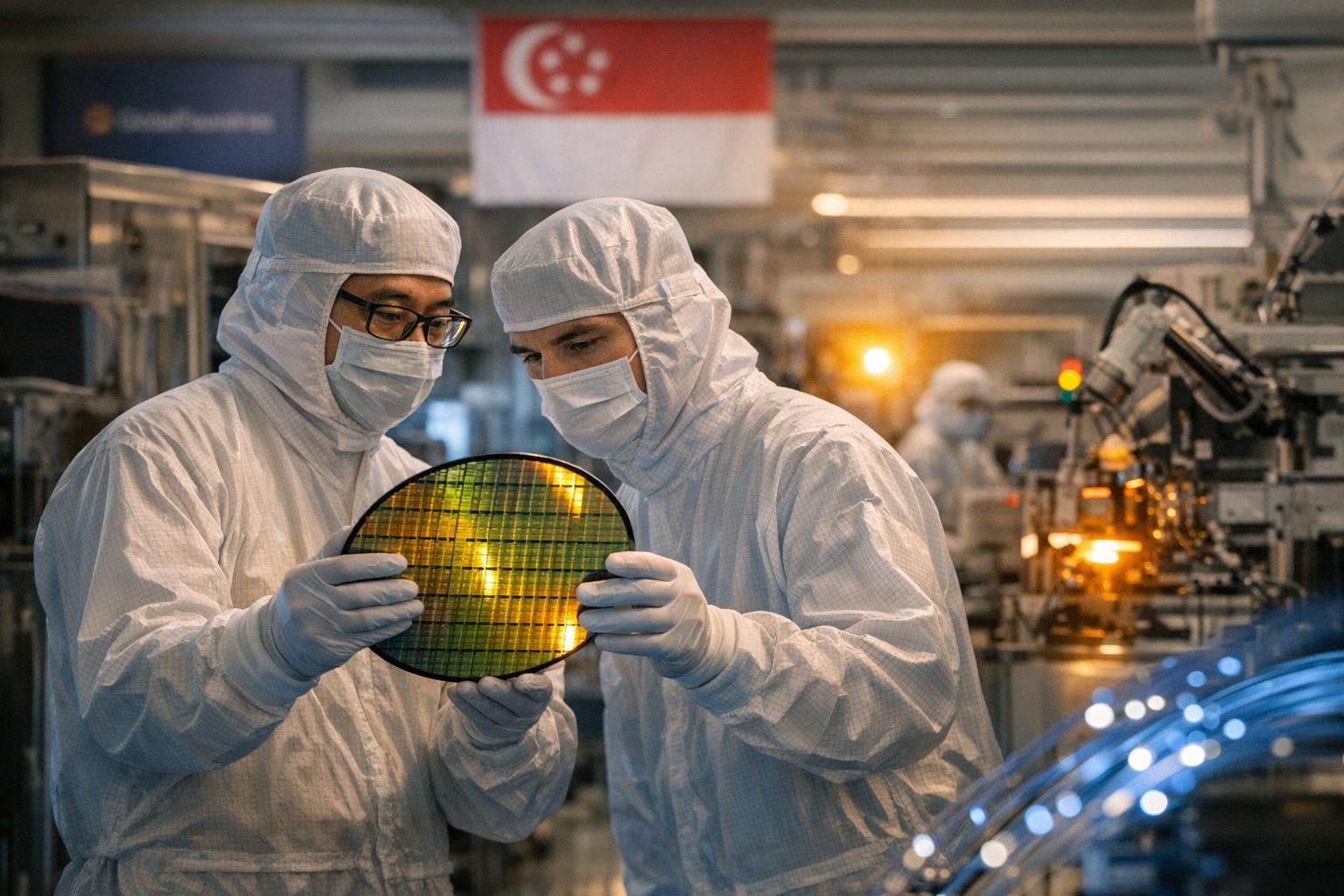
The growing demand for continuous health monitoring is encouraging the development of wearable devices capable of measuring biochemical information close to the body. Wearable electrochemical biosensors are gaining attention because they convert chemical reactions, ion activity or conductivity changes into measurable electrical signals. Their applications include glucose monitoring, point-of-care testing and emerging skin-compatible sensing platforms.
According to Semiconductor Insight, the global Wearable Electrochemical Biosensors Market was valued at USD 2,168.21 million in 2025 and is projected to reach USD 7,462.14 million by 2034, growing at a CAGR of 14.7% during the 2026–2034 forecast period. North America accounts for an estimated 41% of market demand. Commercial glucose sensing provides an established application, while flexible electrodes and skin-compatible sweat-monitoring technologies create additional development opportunities subject to reliability and clinical evidence requirements.
Explore the complete Wearable Electrochemical Biosensors Market analysis:
https://semiconductorinsight.com/report/wearable-electrochemical-biosensors-market/
Why Are Wearable Electrochemical Biosensors Becoming Important in Healthcare?
Wearable electrochemical biosensors are designed to detect chemical or biological information through an electrochemical measurement process. Depending on the device, the sensing system may measure ion activity, electrical current generated by a reaction or changes in conductivity.
These devices are relevant to continuous glucose monitoring and other biochemical measurement applications. Some commercial glucose systems use sensors positioned in interstitial tissue, while emerging research platforms investigate sweat-based monitoring through flexible patches. These approaches operate in different biological environments and should not be treated as equivalent.
The sensing chemistry must be integrated with electrodes, signal-conditioning electronics and a suitable body attachment system. The reliability of the final device depends on the stability of the sensing interface and the ability to interpret the measured signal under the intended operating conditions.
Market Growth Is Closely Linked to Continuous Glucose Monitoring
Commercial glucose monitoring is an important established application supporting the wearable electrochemical biosensors market. These systems use electrochemical sensing to provide ongoing glucose information and require consistent sensor performance throughout the approved wear period.
Semiconductor Insight estimates that Point of Care Testing accounts for approximately 54% of application value, followed by Diagnostics Centers at around 25%, Research Laboratories at approximately 16%, and Other applications at around 5%.
The application mix includes both established clinical products and research-oriented sensing platforms. However, laboratory demonstrations involving sweat chemistry do not automatically establish clinical diagnostic performance. Differences in biological fluids, analyte concentrations and sampling conditions require application-specific validation.
Receive your Free Sample Report today:
https://semiconductorinsight.com/download-sample-report/?product_id=107662
Potentiometric Biosensors Lead the Type Segment
Potentiometric Biosensors represent an estimated 45% of Type value, making them the leading category. These sensors measure electrical potential differences associated with ion activity and may use ion-selective membranes and reference electrodes. Sodium, potassium and pH are among the potential targets in sweat-monitoring research.
Amperometric Biosensors account for approximately 43% of Type value. These systems measure electrical current associated with an electrochemical reaction and are important in enzyme-based sensing approaches, including established glucose-monitoring technologies.
Conductometric Biosensors represent an estimated 12%. They measure changes in electrical conductivity associated with the sensing environment. Each measurement approach has different requirements involving the target analyte, electrode design, calibration and operating conditions.
Flexible Electrodes and Sweat Chemistry Are Expanding Development Opportunities
Research into flexible electrodes, conductive gels, microfluidic patches and skin-compatible materials is expanding the technical possibilities for wearable electrochemical sensing. These technologies may support the measurement of selected electrolytes and metabolites through wearable formats.
Semiconductor Insight highlights research into flexible biochemical platforms, including a March 2026 study involving a ZIF-90 enzyme biogel for sweat glucose and lactate. The study reported more than 95% sensitivity after 10 hours outdoors and above 85% after 1,000 bending cycles under the stated test conditions.
Such results demonstrate research progress, but they should not be interpreted as evidence of an approved diagnostic product or equivalent commercial performance. Moving from laboratory prototypes to regulated products requires reproducible manufacturing, patient-contact evaluation and analyte-specific validation.
Sensor Stability and Clinical Evidence Remain Important Challenges
Wearable electrochemical biosensors face challenges involving sensor drift, reagent stability, electrode consistency, calibration and packaging. These factors can affect measurement reliability over the intended operating period.
The distinction between interstitial-fluid monitoring and sweat sensing is particularly important. A concentration measured in sweat cannot automatically be interpreted as a blood concentration, and experimental sweat patches cannot inherit the clinical authorization of commercial glucose-monitoring products.
Manufacturers must also manage storage conditions, electrode production, quality control and the reliability of disposable sensing components. Regulatory requirements and clinical evidence remain important considerations when developing products for healthcare applications.
Where Are the Biggest Opportunities Emerging?
Continuous glucose monitoring remains an important commercial opportunity, supported by the demand for replacement sensors and connected healthcare products. Point-of-care testing and home-care applications also provide opportunities for wearable electrochemical sensing technologies.
Flexible electrodes and sweat-monitoring platforms represent additional development areas. Research into sodium, potassium, pH, glucose and lactate measurement may support new product concepts, provided that the sensing systems demonstrate reliable performance in their intended biological environment.
Manufacturers that can combine stable sensing chemistry, flexible device construction, reliable electronics and validated measurement performance may be positioned to address emerging applications.
Wearable Electrochemical Biosensors Market Segmentation
The report evaluates the market by type, application, end user and region, providing an overview of the major sensing technologies and commercial use cases.
By type, the market is divided into:
-
Potentiometric Biosensor
-
Amperometric Biosensor
-
Conductometric Biosensor
By application, the market covers:
-
Point of Care Testing
-
Diagnostics Center
-
Research Laboratories
-
Others
By end user, the market includes:
-
Healthcare Providers
-
Home Care Settings
-
Research Institutes
This segmentation reflects the different purchasing and operating requirements of clinical monitoring, home-based healthcare and research environments. Commercial glucose sensors and experimental sweat-monitoring devices also require different performance evidence and product qualification.
View the complete Wearable Electrochemical Biosensors Market segmentation and forecast:
https://semiconductorinsight.com/report/wearable-electrochemical-biosensors-market/
Regional Wearable Electrochemical Biosensors Market Outlook
North America leads the market with an estimated 41% of product demand. The region benefits from established healthcare infrastructure, commercial glucose-monitoring systems, medical-device development and biomedical research activity. The country-level assessment includes the United States, Canada and Mexico.
Europe accounts for approximately 26% of demand, with Germany, France and the United Kingdom included in the regional coverage. Asia-Pacific represents around 25%, with China, Japan and South Korea among the countries assessed.
South and Central America, including Brazil, Mexico and Chile, and the Middle East and Africa, including the United Arab Emirates, Saudi Arabia and South Africa, are also covered.
Regional market performance is influenced by clinical reimbursement, device authorization, consumable distribution, healthcare infrastructure and biomedical research capacity.
Competitive Landscape and Key Companies
The Wearable Electrochemical Biosensors Market includes companies supplying commercial continuous glucose-monitoring systems, diagnostic technologies and related electrochemical sensing products.
Semiconductor Insight identifies Abbott Laboratories, Dexcom, Medtronic, Roche Diagnostics and I-SENS among the key companies profiled in the market.
Competition is influenced by sensing accuracy, consumable availability, sensor replacement intervals, electrode manufacturing and product qualification. Established glucose-monitoring suppliers operate in a different commercial position from research groups and developers working on experimental sweat-sensing materials.
The development of flexible electrodes and wearable biochemical patches may create additional competitive activity, although laboratory research should be distinguished from commercial product supply and approved diagnostic applications.
What Does the Wearable Electrochemical Biosensors Market Report Cover?
The Semiconductor Insight study provides analysis of market size, sales, revenue, competitive positioning, industry dynamics, segmentation and regional performance.
The report examines the market by type, application and end user, covering Potentiometric, Amperometric and Conductometric Biosensors, Point of Care Testing, Diagnostics Centers, Research Laboratories, Healthcare Providers, Home Care Settings and Research Institutes.
It also evaluates commercial glucose-monitoring products, flexible electrode development, manufacturing capacity, sensor stability, market drivers, restraints and opportunities. Regional coverage includes North America, Europe, Asia-Pacific, South and Central America, and the Middle East and Africa, with country-level analysis across key markets.
The study further considers the differences between established clinical products and research-stage wearable sensing platforms, alongside the competitive positioning of major companies.
Key Questions Answered by the Study
The report helps industry participants evaluate questions including:
-
What is the current Wearable Electrochemical Biosensors Market size?
-
How large will the market become by 2034?
-
What is the expected CAGR during the 2026–2034 forecast period?
-
How are Potentiometric, Amperometric and Conductometric Biosensors developing?
-
Which applications account for the largest share of market demand?
-
How is continuous glucose monitoring influencing market growth?
-
What role do flexible electrodes and sweat-monitoring platforms play in development?
-
What are the principal challenges involving sensor stability and clinical validation?
-
Which regions represent the most important markets?
-
Who are the leading companies profiled in the market?
-
How do commercial glucose sensors differ from experimental sweat-based biosensors?
-
What technological and commercial developments are shaping competition?
Explore the full Wearable Electrochemical Biosensors Market forecast and competitive analysis:
https://semiconductorinsight.com/report/wearable-electrochemical-biosensors-market/
Get a Sample Report copy for free:
https://semiconductorinsight.com/download-sample-report/?product_id=107662
About Semiconductor Insight
Semiconductor Insight provides market intelligence and industry research covering semiconductor technologies, electronic components, advanced manufacturing systems and related technology markets. Its research focuses on market sizing, forecasting, competitive landscapes, technology trends, segmentation and regional analysis to support strategic decision-making across the semiconductor ecosystem.
Contact Semiconductor Insight
Website: www.semiconductorinsight.com

 English
 Arabic
 French
 Portuguese
 Deutsch
 Turkish
 Dutch
 Italiano
 Russian
 Romaian
 Portuguese (Brazil)
 Greek
