
Why Oversized Clothing Is Becoming Popular in Pakistan
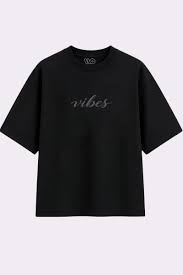
Ten years ago, a loose, boxy shirt in a Pakistani market usually meant a gym tee or a hand-me-down. Today the same shape appears on university campuses, in cafés, at concerts and across social media, worn by students, designers, office workers and teenagers. Wide trousers, roomy jackets, oversized tees and layered outfits have moved from the edges of fashion to the center of everyday dressing.
This shift did not happen by accident. A mix of climate, comfort, culture, technology and creativity has pushed Pakistani wardrobes in the same direction at the same time. In this guide, we’ll look at why oversized clothing is becoming so popular here, what is driving it and how to wear it without losing your own style. If you’re also exploring oversized shirts Pakistan shoppers are choosing this year, understanding the reasons behind the trend will help you buy pieces that last beyond a single season.
The Climate Makes It Practical
The simplest explanation is the weather. Pakistan has long, hot summers, with temperatures passing 40 degrees in cities like Lahore, Multan and Sukkur, and coastal Karachi adds heavy humidity on top. In that kind of heat, fitted clothing clings to the skin, traps sweat and feels suffocating.
Loose clothing does the opposite. A roomy cotton shirt hangs away from the body, so air circulates and moisture evaporates more easily, and wide trousers let your legs breathe. This is not just a style choice, it is genuinely more comfortable, which is why the trend has taken root so firmly here. When fashion and function point in the same direction, a trend tends to last.
Comfort Became a Priority
Beyond weather, people now value comfort more than they used to. Long commutes, crowded buses, busy campuses and flexible work routines have made restrictive clothes feel like a burden. Many people now ask a different question when they dress: not only how something looks, but how it will feel after twelve hours.
Oversized clothing answers that directly. Nothing pulls across the shoulders, nothing digs in when you sit and there is no need to adjust your outfit constantly. Once people experience that ease, going back to tight clothes feels like a step backward. Comfort has stopped being a compromise and become an expectation.
Social Media Changed What Looks Good
Fashion used to be shaped by magazines, television and a small circle of influential names. Today it is shaped by millions of ordinary people sharing outfits online. Instagram, TikTok and YouTube Shorts spread relaxed, streetwear-inspired styles quickly, and creators showed that loose clothing could look intentional, stylish and flattering.
Styling tricks that once belonged to insiders became common knowledge. The half-tuck, layering a long-sleeve under a tee and balancing volume with the right bottoms are now widely understood. As more people saw oversized outfits done well, the old belief that loose meant sloppy lost its power, and the new shapes began to feel normal.
Gender-Neutral Dressing Fits Local Needs
Oversized pieces are naturally unisex. A boxy tee or a pair of wide trousers fits a broad range of bodies, so one garment can work for many different people. Friends, siblings and couples can share clothes, which stretches budgets, and brands increasingly organize collections around fit and style instead of strict categories.
In Pakistan, this flexibility also fits comfortably with everyday expectations. Loose cuts offer comfortable coverage, and many young women wear an oversized tee over a thin long-sleeve top with relaxed trousers, which keeps cool in the heat, protects against the sun and works well in cold air-conditioned rooms. The style adapts to different comfort levels without losing its look.
Local Brands Raised the Standard
Early oversized clothing often had a quality problem. Thin fabric, shapeless cuts and poor stitching made loose garments look careless, which reinforced the idea that fitted clothing was the only polished option. A growing number of Pakistani brands and independent designers changed that.
Many began on Instagram with a single design and a small batch, then grew through word of mouth and honest customer feedback. They paid attention to the details that early versions lacked, such as heavier combed or ring-spun cotton in the 200 to 240 GSM range, properly cut drop shoulders, firm ribbed collars and accurate size charts. As quality improved, loose clothing started to look deliberate, and more people were willing to try it. For a closer look at how oversized tees moved from gym wear into everyday fashion, these oversized tees from gym to everyday explain how comfort, versatility and modern appeal came together.
Local Creativity Gave It a Voice
Oversized clothing gives designers a large canvas, and Pakistani creators have used it well. Urdu calligraphy, truck art motifs, bazaar signage, poetry and humor drawn from everyday life appear on boxy tees and roomy jackets, turning a borrowed silhouette into something distinctly local.
Craft traditions play a part too. Embroidery, a deep part of Pakistani clothing culture, now appears on relaxed oversized cuts, adding texture and warmth that printed shirts cannot match. If you want to see how stitched details sit on a roomy shirt, these embroidered oversized tees show how floral and playful embroidery brings personality to an everyday piece. This local voice is part of why the trend feels like Pakistani fashion rather than an import.
Thrift Culture Fed the Trend
Pakistan’s bazaars have always been places of treasure hunting, and secondhand shopping fits oversized fashion perfectly. Young people dig through stalls for faded band tees, old sports shirts and straight-leg denim, then style them with modern pieces. These finds are affordable, one of a kind and often naturally roomy and soft.
Thrifting also fits the country’s practical, resourceful mindset. Wearing something with history feels more individual than buying another mass-produced shirt, and it stretches limited budgets, which matters to students. Brands noticed and began offering pre-washed, vintage-style designs, so the worn-in look has become part of the visual language of Pakistani youth fashion.
Streetwear and Youth Culture Led the Way
Fashion trends often begin with young people and subcultures. Skate culture, hip-hop and streetwear communities embraced loose, oversized shapes for decades, long before the mainstream followed, and for younger Pakistanis, wide jeans and boxy tees feel natural because they grew up seeing those looks on the people and creators they admired.
As this generation gained buying power and visibility, its preferences moved into the mainstream. Students, designers and young professionals now treat relaxed fits as their default, and brands that once focused on slim cuts have adapted to follow them. Youth culture also values honesty, so real photos, clear measurements and genuine reviews matter more than polished advertising.
Online Shopping Made It Easy to Join
The way people buy clothes also changed. Instagram pages, brand websites and online marketplaces let shoppers discover and order unique designs from anywhere in the country, and cash on delivery and easier exchanges lowered the risk of trying something new.
Buyers have become smarter as a result. They compare real measurements instead of trusting size labels, check fabric weight and cotton type, read reviews about print quality and look for clear exchange policies. Brands that provide honest photos and responsive support earn loyal customers, and that healthy competition improves the whole market. For a clear picture of what correct proportions look like before you order, this guide to oversized vs regular fit explains the key differences.
Tradition and Modern Style Blend
One of the most interesting parts of the trend is how traditional and modern pieces mix. Young people wear kurta-style overshirts open over graphic tees, pair oversized tees with shalwar-inspired trousers and combine traditional footwear with sneakers in the same wardrobe. These combinations avoid copying anyone and give the scene a character of its own.
Footwear shows this especially well. A pair of leather chappals worn with an oversized tee and relaxed trousers feels comfortable, distinctive and rooted in place, and many treat them as equally cool as chunky sneakers. If you enjoy this mix of heritage and street style, these Peshawari chappal styles show how a traditional favorite fits into everyday looks.
How to Wear Oversized Clothing Well
The biggest fear about loose clothing is looking shapeless, and the fix is balance. When the top is loose, the bottom should give the outfit some structure. Straight jeans, tapered cargos and tailored trousers balance a roomy tee, and fitted or knee-length shorts do the same in summer. If you love the full baggy look, add structure with a belt, chunky shoes or a layered jacket.
The half-tuck is the easiest trick of all. Tuck only the front corner of the tee into your waistband, and you show your waistline and make your legs look longer. Choose a tee with a dropped shoulder seam a few centimeters below your natural shoulder, sleeves ending near mid-bicep and a hem around the hip, and avoid sizing up too far, since extra fabric adds heat and looks sloppy.
Adapting the Trend to Pakistan’s Seasons
In summer, choose breathable cotton around 180 to 220 GSM, light or mid-tone colors and thin bottoms, and let caps and sunglasses carry the style instead of heavy layers. In humid cities, mid-tones hide sweat better than very pale shades, and a thin layer in your bag helps in cold air-conditioned spaces.
During the monsoon, darker tees hide splashes, and cropped bottoms with rubber-soled shoes keep you practical on wet roads. Autumn suits earth tones and open overshirts, and winter allows full layered looks with a slim long-sleeve base, a jacket and boots. The same core pieces carry you through the whole year.
Will the Trend Last?
Trends that rest on novelty alone fade quickly, but this one rests on real benefits. Oversized clothing is comfortable, suits hot climates, works across genders and body types and leaves plenty of room for personal expression. Those qualities are not tied to a single year or influencer.
What will likely change is the detail. Expect more attention to fabric quality, more refined cuts rather than simply bigger ones and more original local designs layered over the relaxed base. Fitted clothing will not disappear, since it still suits tailored and formal settings, but the starting point has clearly moved toward comfort.
Common Mistakes to Avoid
The most common mistake is sizing up too far, which makes the garment swallow your frame and look sloppy rather than relaxed. Another is choosing thin, cheap cotton that clings and loses shape, or wearing loose pieces everywhere with no structure. Ignoring the condition of your shoes, piling on accessories and copying a look that does not suit your body or climate are the other usual traps. The best oversized style always looks like the person wearing it.
Caring for Oversized Clothing
Good care keeps loose garments looking sharp. Wash tees inside out in cold water to protect prints and colors, and avoid hot dryers that shrink cotton and loosen collars. Wash denim less often to preserve its color, air dry in the shade because harsh sun fades fabric and fold your tees instead of hanging them to prevent shoulder bumps. In humid weather, make sure everything is completely dry before storing it.
Final Thoughts
Oversized clothing is becoming popular in Pakistan because it meets real needs. It is practical in the heat, comfortable through long days, flexible across genders and bodies and open to local creativity. Social media, local brands, thrift culture and youth culture turned it from a niche into the new default.
If you want to join in, start with one well-cut oversized tee and one pair of relaxed trousers, balance the proportions with clean shoes and a half-tuck and see how it feels. Once you experience the comfort without losing polish, it becomes easy to understand why so many people are choosing it.

 English
 Arabic
 French
 Spanish
 Portuguese
 Deutsch
 Turkish
 Dutch
 Italiano
 Russian
 Portuguese (Brazil)
 Greek
