
Anti-Müllerian Hormone Test and Female Fertility: What's the Connection?
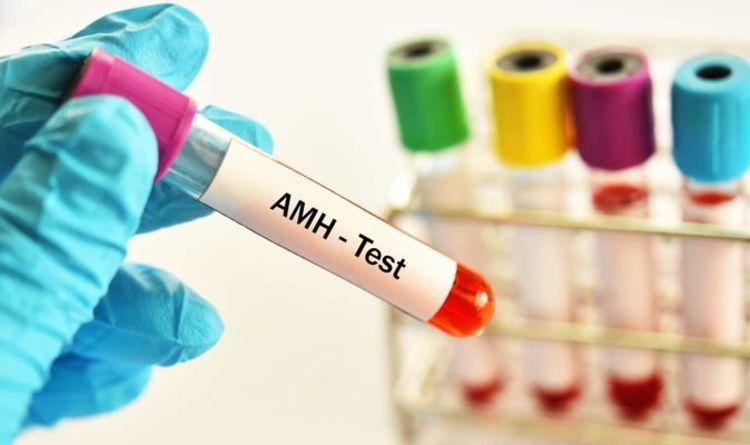
Understanding female fertility can feel complicated, especially when hormone tests, ovarian reserve, and age-related changes become part of the conversation. One test that often comes up during fertility planning is the Anti-Müllerian Hormone (AMH) test. It provides useful information about ovarian reserve and can help healthcare professionals plan certain fertility treatments.
But what is the actual connection between Anti-Müllerian Hormone Test in Dubai levels and female fertility? Does a low result mean you cannot get pregnant? Can a high AMH level indicate better fertility? And how much should you rely on this test when planning a pregnancy?
The answers depend on understanding what AMH measures, what it cannot tell you, and how it fits into a broader reproductive health assessment.
This guide explores the relationship between the AMH blood test and female fertility, including its role in fertility evaluation, IVF treatment, ovarian reserve assessment, and reproductive planning.
Understanding the Science Behind AMH and Female Fertility:
Anti-Müllerian hormone is a protein hormone produced by granulosa cells surrounding small, developing follicles in the ovaries. These follicles contain immature eggs that may continue developing during the menstrual cycle.
Because AMH production is associated with the number of small developing follicles, measuring this hormone can help estimate a woman's ovarian reserve, which refers to the remaining pool of eggs in the ovaries.
Ovarian reserve is an important part of reproductive health, but it is not the same as overall fertility.
The likelihood of becoming pregnant depends on several factors, including:
-
Age and egg quality
-
Ovulation and menstrual cycle regularity
-
Fallopian tube function
-
Uterine health
-
Sperm quality and reproductive factors involving a partner
-
Certain medical conditions and lifestyle factors
An AMH test provides information about one aspect of this complex process. It should be interpreted alongside other relevant findings rather than used as a standalone fertility score.
What Does Your AMH Level Actually Reveal?
The connection between AMH and fertility becomes clearer when you separate ovarian reserve from the ability to conceive.
AMH levels generally decline with age as the pool of ovarian follicles decreases. However, levels vary considerably among individuals of the same age, and a single result cannot provide a complete picture of reproductive potential.
Low AMH and Its Meaning for Fertility
A low AMH level may suggest diminished ovarian reserve, meaning there are fewer small developing follicles than expected for the relevant clinical context.
This finding can be important when planning fertility treatment because the ovaries may produce fewer eggs in response to stimulation medication.
However, low AMH does not mean pregnancy is impossible. Some women with low AMH conceive naturally, while others may need further evaluation or fertility treatment.
AMH alone also cannot determine egg quality. A woman's age remains a major factor when assessing the likelihood of conception and the risk of chromosomal abnormalities in eggs.
If your AMH result is low, a healthcare professional can help interpret it alongside your age, medical history, menstrual patterns, and other fertility findings.
High AMH and Its Relationship With Reproductive Health
A high AMH level may indicate a larger number of small ovarian follicles. This can be associated with a stronger response to ovarian stimulation during IVF.
High AMH is also commonly associated with polycystic ovary syndrome (PCOS), a hormonal condition that can affect ovulation and menstrual regularity.
However, high AMH does not automatically mean that fertility is better. People with elevated AMH may experience irregular ovulation, which can make conception more difficult.
AMH alone cannot diagnose PCOS. A clinician considers symptoms, menstrual history, evidence of androgen excess, and other appropriate findings when making a diagnosis.
What Does a Normal AMH Result Mean?
A result within the laboratory's expected range may suggest that ovarian reserve is consistent with its reference information. It does not guarantee that conception will occur easily or that infertility is absent.
For example, someone with an AMH level within the expected range may still experience infertility related to blocked fallopian tubes, ovulation problems, sperm factors, or other reproductive conditions.
This is why fertility specialists assess the complete clinical picture rather than relying on a single hormone measurement.
How AMH Testing Supports Fertility Assessment?
An AMH test is most useful when its result can help answer a specific clinical question. Healthcare professionals may recommend it in several situations.
When You Are Trying to Conceive
If you have been trying to become pregnant without success, AMH may form part of an infertility evaluation. It can provide information about ovarian reserve, but it cannot identify every possible reason for difficulty conceiving.
A complete assessment may include menstrual and ovulation history, ultrasound, selected hormone tests, fallopian tube evaluation, and semen analysis when relevant.
For people younger than 35, an infertility evaluation is generally recommended after 12 months of trying to conceive. For those aged 35 or older, evaluation is generally recommended after six months. People over 40 or those with known fertility concerns may benefit from earlier assessment.
Before Starting IVF Treatment
One of the best-established uses of AMH testing is predicting how the ovaries may respond to fertility medications.
During in vitro fertilization, medication stimulates the development of multiple follicles. AMH, together with an antral follicle count and other clinical factors, helps fertility specialists estimate whether the response may be lower or higher than expected.
This information can guide medication dosing, monitoring, and discussions about the potential number of eggs retrieved.
Nevertheless, AMH cannot guarantee the number of eggs collected, embryo quality, pregnancy, or live birth.
When Considering Egg Freezing
Women who are considering egg freezing may undergo AMH testing to help estimate how their ovaries could respond to stimulation.
The result can contribute to discussions about the expected number of eggs collected and whether multiple treatment cycles might be considered.
However, age at the time of egg freezing is especially important because it influences egg quality and future reproductive outcomes. AMH helps estimate ovarian response; it does not independently determine the chances of having a baby from frozen eggs.
AMH and Age: Why the Connection Matters
Age is one of the most important factors in female fertility. Women are generally born with a finite pool of eggs, and that pool declines over time.
AMH often decreases as ovarian reserve declines, making it a useful additional measure in fertility planning. However, there is no universal AMH value that can reliably predict an individual's natural fertility.
Two women of the same age may have different AMH levels, yet the person with the higher result is not necessarily more likely to conceive naturally.
The distinction is important because AMH is more useful for estimating ovarian reserve and response to fertility treatment than for predicting spontaneous pregnancy.
AMH also cannot accurately establish the exact age at which menopause will occur. If you are making decisions about pregnancy timing, consider age, reproductive goals, personal circumstances, and medical advice together.
How Is an Anti-Müllerian Hormone Test Performed?
The AMH test is a straightforward blood test that measures the concentration of anti-Müllerian hormone in your bloodstream.
A healthcare professional collects a blood sample, which is sent to a laboratory for analysis. The process usually takes only a few minutes, although the time needed to receive results varies.
Some practical points to know include:
-
Menstrual cycle timing: AMH can generally be measured on any day of the menstrual cycle because it tends to fluctuate less than some other reproductive hormones.
-
Fasting requirements: Fasting is usually unnecessary when AMH is the only test being performed. Follow laboratory instructions if additional tests are ordered.
-
Medication history: Inform your clinician about hormonal contraception, fertility medications, and other relevant treatments because clinical circumstances and certain medications may affect interpretation.
-
Result interpretation: Your age, medical history, laboratory method, and reason for testing all influence the meaning of the result.
AMH levels may be reported in nanograms per milliliter (ng/mL) or picomoles per liter (pmol/L). Reference ranges vary, so results should be interpreted using the relevant laboratory information and clinical context.
AMH Testing Compared With Other Fertility Tests:
No single fertility test can assess every part of the reproductive process. Different tests provide complementary information.
| Test or assessment | Main purpose | What it cannot establish alone |
|---|---|---|
| AMH blood test | Estimates ovarian reserve and helps predict ovarian response to stimulation | Natural conception or egg quality |
| Antral follicle count | Ultrasound estimate of small follicles in the ovaries | Guaranteed pregnancy or live birth |
| FSH blood test | Helps assess ovarian function in the appropriate clinical context | Complete fertility status from one measurement |
| Ovulation assessment | Helps determine whether ovulation is occurring | Whether the fallopian tubes are open |
| Semen analysis | Assesses important aspects of sperm health | Every possible cause of infertility |
| Fallopian tube evaluation | Assesses whether the tubes are open | Egg quality or ovarian reserve |
A fertility specialist selects tests according to your symptoms, age, history, and reproductive goals. Not everyone needs every test.
Can You Improve Your AMH Level Naturally?
Many people search for foods, supplements, or lifestyle changes that might increase AMH and improve fertility. Maintaining a balanced diet, exercising regularly, avoiding smoking, and addressing medical conditions can support general health and reproductive well-being.
However, there is currently no proven diet, supplement, or lifestyle intervention that reliably restores the egg supply or reverses the natural age-related decline in ovarian reserve.
AMH levels may vary because of biological differences, laboratory methods, and other factors. A change in the measured value does not necessarily mean that egg quality or the likelihood of pregnancy has improved.
If your AMH is low, avoid starting fertility supplements or hormone treatments solely to raise the number without discussing their benefits, limitations, and risks with a qualified healthcare professional.
Common Misconceptions About AMH and Fertility:
Several widespread misunderstandings can cause unnecessary anxiety.
Myth: Low AMH means infertility.
Fact: Low AMH may indicate reduced ovarian reserve, but it does not rule out natural conception.
Myth: High AMH guarantees better fertility.
Fact: High AMH can indicate more small developing follicles, but ovulation disorders and other conditions can still affect conception.
Myth: AMH measures egg quality.
Fact: AMH primarily provides information about ovarian reserve. Age is a more important general indicator of egg quality.
Myth: One AMH result predicts exactly when menopause will occur.
Fact: AMH cannot reliably predict an individual's exact menopause age.
Myth: Everyone planning a pregnancy needs an AMH test.
Fact: Testing is most useful when there is a clear clinical question or when the result can inform a healthcare decision.
Frequently Asked Questions:
Does AMH affect the ability to get pregnant naturally?
AMH itself is not a direct measure of the ability to conceive. It estimates ovarian reserve, while natural conception depends on ovulation, egg quality, reproductive anatomy, sperm health, and other factors.
When is the best time to get an AMH test?
There is no single ideal age or time for everyone. Testing may be useful during an infertility evaluation, before IVF, or when considering fertility preservation. A healthcare professional can help determine whether it is appropriate for your circumstances.
Can AMH diagnose infertility?
No. AMH is one component of a fertility assessment and cannot diagnose every cause of infertility or establish whether pregnancy will occur.
Should I worry if my AMH is below the reference range?
Not necessarily. The result should be interpreted in context. Ask your clinician what it means for your age, medical history, and reproductive goals before making decisions about treatment.
Conclusion: Understanding the Real Connection Between AMH and Female Fertility
The Anti-Müllerian Hormone Lab tests provides valuable information about ovarian reserve and can help healthcare professionals plan fertility treatments, particularly IVF and egg freezing. It can also contribute to an infertility evaluation when used alongside other clinical assessments.
However, AMH is not a complete measure of female fertility. A low result does not make pregnancy impossible, and a high result does not guarantee successful conception. Age, egg quality, ovulation, reproductive anatomy, sperm health, and overall medical history remain important considerations.
If you are concerned about your fertility, use AMH testing as an opportunity to have an informed discussion with a qualified healthcare professional. Understanding what the test can and cannot tell you will help you make decisions based on your individual needs rather than a single laboratory number.

 English
 Arabic
 French
 Spanish
 Portuguese
 Deutsch
 Turkish
 Dutch
 Italiano
 Romaian
 Portuguese (Brazil)
 Greek
