
Does Diet Affect Acne? What to Know
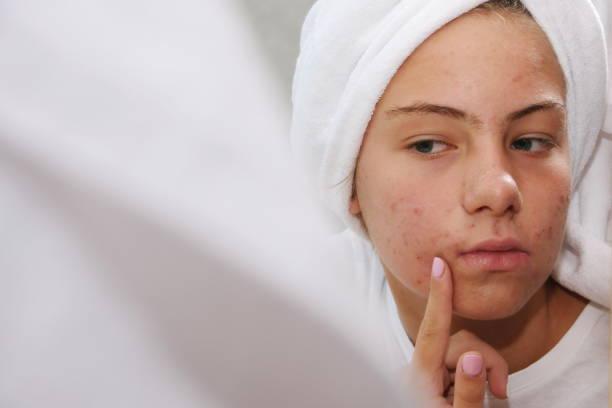
Acne is one of the most common skin concerns among teenagers and adults. Although hormonal changes, genetics, excess oil production, and clogged pores are major contributors, diet may also influence how the skin behaves. Understanding the relationship between food and acne can help you make informed choices that support healthier-looking skin. While no single food causes acne in everyone, certain dietary habits may contribute to breakouts in people who are susceptible to them.
For individuals exploring Acne Treatment in Riyadh, understanding how nutrition affects the skin can be an important part of developing a well-rounded skincare routine. A balanced diet, consistent skincare, and appropriate professional guidance may help manage acne more effectively. However, dietary changes alone may not be enough to clear persistent breakouts, making it important to understand the possible triggers and available treatment options.
How Does Diet Influence Acne?
Diet can influence several processes associated with acne, including blood sugar regulation, inflammation, and hormone-related oil production. Research suggests that certain foods may worsen breakouts in some individuals, although responses vary from person to person.
When the body experiences rapid increases in blood sugar, insulin levels may rise. This can influence hormones and other biological pathways involved in sebum production and the development of clogged pores. Excess sebum, dead skin cells, and bacteria can contribute to acne, resulting in blackheads, whiteheads, and inflamed pimples.
It is important to remember that acne is a complex skin condition. Food is only one possible contributing factor, and experiencing breakouts does not necessarily mean your diet is unhealthy.
Foods That May Contribute to Acne
High-Glycemic Foods
Foods with a high glycemic index can raise blood sugar levels quickly. Examples include sugary drinks, sweets, white bread, and certain highly processed snacks. Some research suggests that diets containing large amounts of these foods may be associated with increased acne severity.
Choosing whole grains, vegetables, legumes, and other fiber-rich foods can support steadier blood sugar levels. These choices may benefit overall health and could help some people manage acne, although results are not guaranteed.
Dairy Products
Some studies have found an association between dairy consumption, particularly cow's milk, and acne. However, the evidence is not conclusive, and dairy does not trigger breakouts in everyone.
If you suspect that milk or another dairy product worsens your acne, consider tracking your symptoms and dietary habits. Avoid eliminating entire food groups without considering your nutritional needs. A qualified healthcare professional or dietitian can help you make appropriate dietary adjustments.
Highly Processed Foods
Frequent consumption of highly processed foods containing substantial amounts of refined carbohydrates and added sugars may contribute to dietary patterns associated with acne. However, there is no strong evidence that every processed food directly causes breakouts.
A balanced eating pattern that includes fruits, vegetables, healthy fats, lean proteins, and whole grains can help provide nutrients that support normal skin function.
Foods That Support Healthy Skin
Nutrient-Rich Foods
A varied diet provides vitamins, minerals, and other nutrients needed for normal skin health. Colorful fruits and vegetables supply antioxidants, while nuts, seeds, and legumes provide useful nutrients and healthy fats.
Foods containing omega-3 fatty acids, such as oily fish, may also support general health. Although these nutrients are beneficial, no particular food or supplement should be considered a guaranteed acne treatment.
Water and Balanced Nutrition
Drinking enough water helps maintain normal hydration, while a balanced diet supports the body's overall functions. Water alone does not clear acne, and drinking excessive amounts will not eliminate clogged pores.
Rather than following restrictive diets or relying on so-called skin-clearing foods, focus on sustainable eating habits that meet your nutritional needs.
When Should You Consider Professional Acne Treatment?
Dietary adjustments may help some people, but persistent acne often requires targeted skincare or medical treatment. Inflammatory pimples, painful nodules, recurring breakouts, and acne that leaves dark marks or scars may benefit from professional assessment.
A skincare professional can evaluate your skin type, acne severity, possible triggers, and previous treatments before recommending an appropriate approach. Depending on the diagnosis, treatment options may include topical medications, prescription therapies, or selected in-clinic procedures.
Avoid picking or squeezing pimples, as this can increase inflammation and the risk of scarring. Using gentle cleansers and non-comedogenic skincare products may also help support your treatment routine.
Frequently Asked Questions
Can eating chocolate cause acne?
The relationship between chocolate and acne remains uncertain. Some chocolate products contain considerable amounts of sugar and milk, which may affect susceptible individuals. Individual responses vary, so it is helpful to observe your own dietary patterns rather than automatically eliminating chocolate.
Does drinking more water help clear acne?
Drinking enough water supports normal hydration, but water alone does not treat the underlying causes of acne. A consistent skincare routine and appropriate treatment may be needed to control persistent breakouts.
Should I stop consuming dairy if I have acne?
Not necessarily. Some studies suggest an association between certain dairy products and acne, but the evidence is not definitive. If you suspect a connection, discuss your concerns with a qualified professional before making major dietary changes.
How long does it take for dietary changes to affect acne?
Skin changes do not happen overnight. If a dietary pattern contributes to your breakouts, improvements may take several weeks to become noticeable. Acne can have multiple causes, so dietary changes may not produce visible results for everyone.
Can professional acne treatment help if diet is the main trigger?
Professional treatment may still help manage acne even when diet appears to contribute to breakouts. A suitable plan can address clogged pores, inflammation, and other factors while you explore possible dietary triggers.
Book a Consultation at Enfield Royal Clinic
If acne is affecting your confidence or leaving persistent marks, professional guidance can help you understand your skin's needs. Enfield Royal Clinic offers consultations to discuss acne concerns and explore suitable treatment options based on individual skin conditions. Book a consultation to learn how a personalized skincare approach, combined with healthy lifestyle habits, may help you work toward clearer-looking skin.

 English
 Arabic
 French
 Spanish
 Portuguese
 Turkish
 Dutch
 Italiano
 Russian
 Romaian
 Portuguese (Brazil)
 Greek
