
Can Dermapen Micro-Needling Help Reduce Hyperpigmentation?
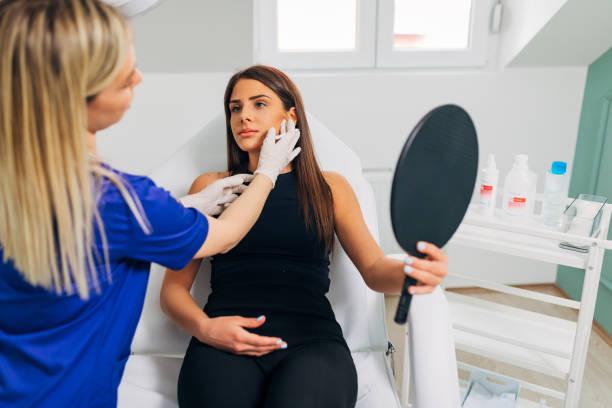
Hyperpigmentation occurs when certain areas of the skin produce excess melanin, creating dark spots, uneven patches, or lingering marks after acne. Sun exposure, hormonal changes, inflammation, and skin injuries can all contribute to these concerns. Dermapen Micro-Needling in Riyadh is a professional skin treatment that stimulates the skin’s natural repair process and encourages collagen production, potentially improving skin texture and the appearance of selected pigmentation concerns.
Although micro-needling may help with some forms of post-inflammatory hyperpigmentation, it is not suitable for every pigmentation condition. Dermapen Micro-Needling in Riyadh may be considered as part of a personalised skincare plan, depending on the cause of discolouration, skin type, and risk of irritation. A professional assessment is essential because inflammation from treatment can sometimes worsen pigmentation rather than improve it.
How Does Dermapen Micro-Needling Work on Hyperpigmentation?
Dermapen micro-needling uses a specialised device with fine needles to create controlled micro-injuries in the skin. These tiny channels activate the skin’s natural healing response and encourage collagen remodelling, which may improve uneven texture and the appearance of certain acne-related marks.
However, hyperpigmentation is primarily associated with excess melanin rather than a lack of collagen. Micro-needling does not directly remove all excess pigment. Its potential benefits depend on the type of pigmentation being treated, and some people may achieve better results with treatments specifically designed to address excess melanin.
What Types of Hyperpigmentation May Respond to Micro-Needling?
Different forms of hyperpigmentation have different causes, so identifying the underlying concern is important before choosing a procedure.
Post-Inflammatory Hyperpigmentation
Post-inflammatory hyperpigmentation develops after inflammation or injury, including acne breakouts. It can leave flat brown, dark brown, or greyish marks after the original concern has healed. Micro-needling may help selected cases when uneven texture or shallow scarring is also present, but it can aggravate pigmentation in some individuals.
Sun-Induced Dark Spots
Repeated ultraviolet exposure can contribute to sunspots and other areas of uneven pigmentation. These concerns may respond better to treatments specifically selected for pigment reduction. Micro-needling is not necessarily the first choice, so a qualified professional should assess the spots before recommending treatment.
Melasma
Melasma causes patches of brown or grey-brown pigmentation, commonly on the cheeks, forehead, and upper lip. Hormonal changes and sun exposure can contribute to its development. Because irritation may worsen melasma, micro-needling requires careful consideration and may not be appropriate for every person with this condition.
What Are the Potential Benefits of Dermapen Micro-Needling for Hyperpigmentation?
When used for suitable skin concerns, micro-needling may support gradual improvements in texture and the appearance of selected post-acne marks. Dermapen Micro-Needling in Riyadh may be considered when a professional determines that the procedure is appropriate for the individual’s skin and pigmentation pattern.
Potential benefits include:
-
Improving the appearance of uneven skin texture.
-
Supporting natural collagen production and skin remodelling.
-
Helping selected shallow acne scars appear less noticeable.
-
Complementing other professionally recommended treatments in appropriate cases.
-
Supporting a smoother-looking complexion over time.
These benefits do not mean that micro-needling can remove every dark spot or guarantee an even skin tone. The results depend on the underlying cause of pigmentation and the skin’s response to treatment.
Is Dermapen Micro-Needling Safe for Darker Skin Tones?
Micro-needling can be considered for many skin tones, but individuals with darker skin may have a greater tendency to develop post-inflammatory hyperpigmentation after skin irritation or injury. Careful patient selection, appropriate technique, and suitable aftercare are particularly important.
People with active skin infections, inflamed skin conditions, open wounds, or a history of abnormal scarring may not be suitable candidates. Anyone with persistent pigmentation or melasma should consult a qualified dermatologist before proceeding. In some cases, a pigment-focused treatment plan may offer a more suitable approach.
How Many Sessions Are Needed to Improve Hyperpigmentation?
The number of sessions depends on the type of pigmentation, its severity, and the overall treatment plan. Some people may notice improvements in skin texture after an initial session, while others may need several treatments for gradual changes.
Pigmentation does not always respond in the same way as acne scars or rough skin. Multiple sessions cannot guarantee that dark marks will fade, and excessive treatment may increase irritation. A qualified professional can recommend an appropriate schedule and explain whether micro-needling is likely to help your particular concern.
How Can You Prevent Hyperpigmentation From Returning?
Daily skincare and sun protection are essential for managing uneven pigmentation. Even after professional treatment, ultraviolet exposure and ongoing inflammation can contribute to the development of new dark marks.
Helpful practices include:
-
Applying broad-spectrum sunscreen daily and reapplying as directed.
-
Using gentle cleansers and moisturisers suitable for your skin.
-
Avoiding picking at acne or irritating the skin.
-
Following professional advice before restarting exfoliating acids or retinoids after treatment.
-
Addressing active acne or other underlying skin conditions.
Consistent sun protection is especially important because ultraviolet exposure can darken existing pigmentation and encourage new spots to develop.
Book Your Consultation at Royal Clinic Saudia
If dark spots, post-acne marks, or uneven pigmentation are affecting your confidence, a professional skin assessment can help you understand the available options. Royal Clinic Saudia can help you explore whether micro-needling may be appropriate for your skin concerns and discuss its potential benefits, limitations, and aftercare requirements. A personalised approach helps support informed decisions and realistic expectations.
FAQs:
Can Dermapen Micro-Needling Completely Remove Hyperpigmentation?
No. It may help improve selected post-acne marks and associated texture concerns, but complete removal is not guaranteed. The most appropriate treatment depends on the cause and depth of pigmentation.
Is Dermapen Micro-Needling Suitable for Melasma?
It may not be suitable for everyone with melasma because treatment-related inflammation can worsen pigmentation. A qualified dermatologist should assess the condition before recommending a procedure.
How Long Does It Take to See Improvements in Hyperpigmentation?
The timeline varies depending on the type of pigmentation, skin response, and treatment plan. Texture changes may develop over several weeks, while pigmentation can take longer and may require a different approach.
Can Dermapen Micro-Needling Make Dark Spots Worse?
Yes. In some people, particularly those prone to post-inflammatory hyperpigmentation, skin irritation can lead to darker marks. Appropriate patient selection, professional technique, and careful aftercare help reduce this risk.

 English
 Arabic
 French
 Spanish
 Portuguese
 Deutsch
 Turkish
 Dutch
 Russian
 Romaian
 Portuguese (Brazil)
 Greek
