
Best Mini Tummy Tuck: How Is the Amount of Lower Abdominal Skin Removal Planned?
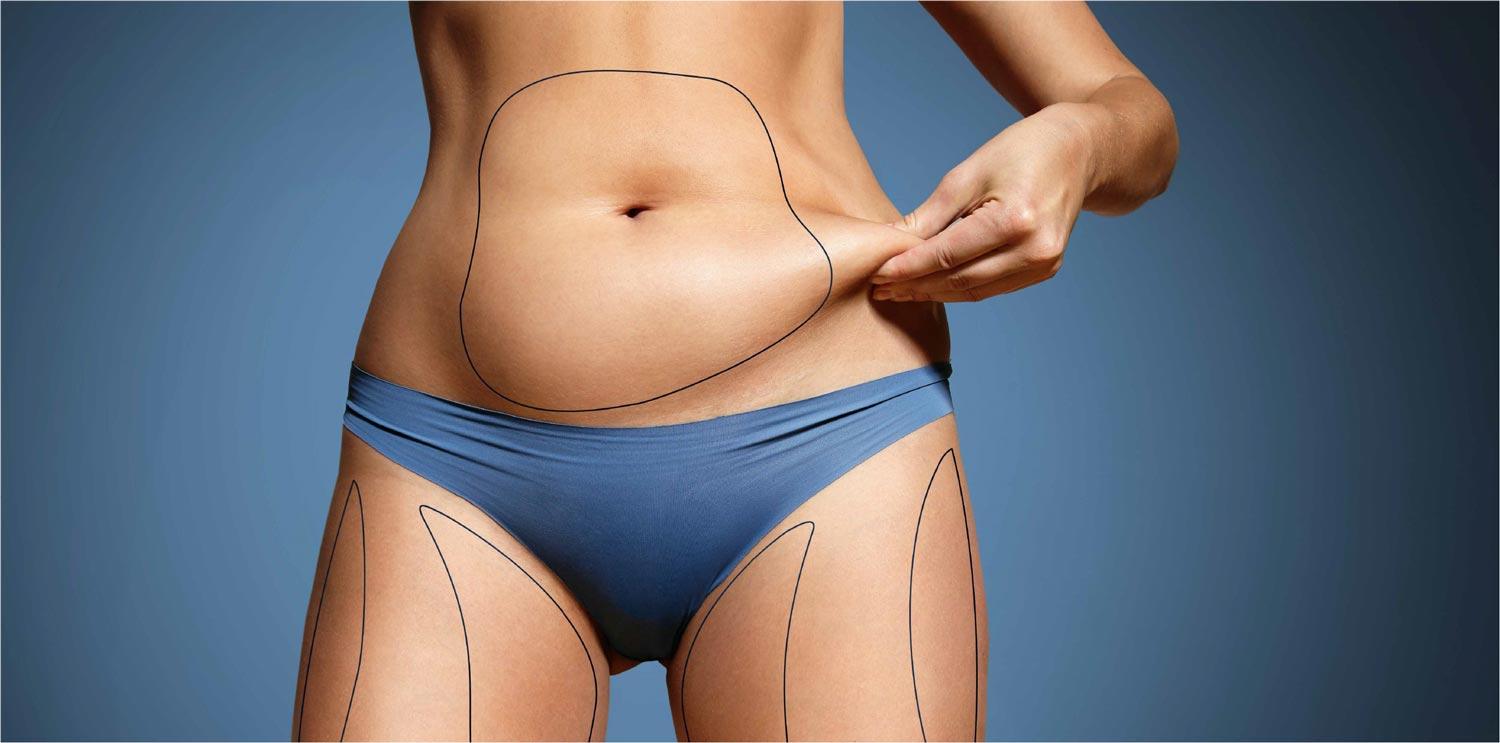
A mini tummy tuck is a body contouring procedure designed to address excess skin and fullness in the lower abdomen. For individuals who have loose skin below the belly button but do not require extensive abdominal correction, this procedure may offer a suitable option. However, achieving balanced and natural-looking results depends on careful surgical planning, particularly when determining how much skin should be removed.
The amount of skin removed during surgery is not decided by appearance alone. A surgeon evaluates skin elasticity, the location of excess tissue, abdominal proportions, the position of the belly button, and the patient's individual goals. These factors help determine whether a mini tummy tuck is appropriate and how the lower abdominal area can be reshaped while maintaining natural body contours.
For anyone researching the Best mini tummy tuck, understanding how skin removal is planned can provide useful insight into the consultation process. It also helps patients develop realistic expectations about the procedure, the anticipated incision, and the type of improvement that may be achievable.
What Is a Mini Tummy Tuck?
A mini tummy tuck is a surgical procedure that focuses primarily on excess skin and, in selected cases, underlying tissue in the lower abdomen. Unlike a full tummy tuck, which can address a broader area of the abdominal wall, a mini procedure is generally intended for people whose concerns are concentrated below the belly button.
The procedure may be considered when the upper abdomen has relatively good skin tone and the lower abdominal area has a limited amount of loose skin. The precise approach depends on the individual's anatomy and the surgeon's assessment.
One of the central aspects of planning is identifying how much skin can be removed while allowing the remaining tissue to close comfortably and maintain a smooth abdominal contour. Removing too little may leave noticeable looseness, while excessive removal can make closure difficult or affect the natural shape of the lower abdomen.
For this reason, the procedure requires an individualised plan rather than a standard measurement that applies to every patient.
Why Is the Amount of Skin Removal Important?
The amount of skin removed directly influences the final abdominal contour, the location of the incision, and the degree of improvement that may be achieved. The objective is not simply to remove as much skin as possible. Instead, the surgeon aims to remove an appropriate amount while preserving the natural proportions of the abdomen.
Several considerations guide this decision.
First, the remaining skin must have enough flexibility to accommodate closure without excessive tension. Second, the lower abdomen should look proportionate to the waist and upper abdominal area. Third, the incision should be planned with the patient's body shape and clothing preferences in mind, where anatomically possible.
A carefully planned procedure considers both the tissue being removed and the tissue that will remain. This balance is especially important in a mini tummy tuck because the treatment area is more limited than in a full abdominoplasty.
Patients considering the Best mini tummy tuck Cost in Dubai should also understand that the treatment plan can influence the overall cost. The amount of tissue involved, the complexity of the procedure, the surgical setting, and the recommended approach may all contribute to the final estimate.
How Does the Surgeon Assess Lower Abdominal Skin?
The planning process begins with a physical examination and a discussion of the patient's concerns. The surgeon evaluates the abdomen from different angles to understand where the skin is loose, how it behaves during movement, and whether the excess tissue is concentrated in the lower abdominal region.
The assessment generally includes the following factors.
Location of Excess Skin
The surgeon first determines where the loose skin is most noticeable. Some individuals have a small fold immediately below the belly button, while others have more extensive looseness extending towards the pubic region.
A mini tummy tuck may be considered when the main concern is confined to the lower abdomen. If excess skin extends significantly above the belly button, a more extensive procedure may be discussed.
Skin Elasticity
Skin elasticity refers to the ability of the skin to stretch and return towards its original shape. When elasticity is reduced, the skin may remain loose even after changes in body weight.
During the examination, the surgeon assesses how the lower abdominal skin responds to gentle movement and repositioning. This helps estimate how the remaining skin may sit after the planned tissue removal.
Thickness and Distribution of Tissue
The appearance of the lower abdomen is influenced by more than skin alone. Fat beneath the skin, the condition of the abdominal muscles, and the natural structure of the abdominal wall can all contribute to fullness.
A surgeon distinguishes between loose skin and other causes of abdominal prominence. This distinction helps establish whether skin removal alone may address the main concern or whether another approach should be considered.
How Is the Amount of Skin to Be Removed Estimated?
There is no single measurement that determines the amount of skin removed during every mini tummy tuck. Instead, the surgeon combines the physical examination, the distribution of excess tissue, and the anticipated position of the remaining skin.
During the consultation, the lower abdominal skin may be gently repositioned to estimate how much tissue can be removed while allowing the incision to close appropriately. The surgeon also considers the natural curve of the abdomen and the location where the final incision is expected to sit.
The initial estimate serves as a guide rather than an inflexible measurement. The final surgical plan may be refined according to the patient's anatomy and the tissue's characteristics.
This approach is important because skin does not behave identically in every person. Two patients with similar amounts of visible looseness may have different skin elasticity, abdominal proportions, or tissue thickness. Consequently, they may require different surgical plans to achieve a balanced result.
The goal is to establish a realistic amount of removal that supports a smoother lower abdomen without placing unnecessary tension on the closure.
How Does Skin Elasticity Influence Surgical Planning?
Skin elasticity is one of the most important factors in determining how much lower abdominal tissue can be removed. More flexible skin may accommodate repositioning differently from skin that has become thin, stretched, or less elastic.
Changes in elasticity can occur after pregnancy, substantial weight changes, or the natural ageing process. These changes may leave folds or loose skin that do not respond significantly to exercise alone.
During the examination, the surgeon evaluates the amount of available skin movement and considers how the tissue may respond when repositioned. This assessment helps determine the extent of correction that is appropriate.
If the lower abdominal skin is relatively limited in its looseness, a mini tummy tuck may be suitable. When the excess extends beyond the lower abdomen, a larger operation may be necessary to address the affected areas effectively.
The final decision depends on the overall pattern of skin laxity rather than elasticity in isolation.
How Is the Belly Button Position Considered?
The position of the belly button is another important factor in determining whether a mini tummy tuck is appropriate. In a typical mini procedure, the belly button is not repositioned in the same way as it often is during a full tummy tuck.
Because the skin below the belly button is removed and the remaining skin is brought together, the surgeon must consider how this movement could affect the appearance of the surrounding area.
The amount of skin removal needs to be compatible with the existing belly button position. Excessive tightening or an unsuitable surgical approach could alter the natural relationship between the belly button and the lower abdomen.
For individuals who have loose skin both above and below the belly button, a mini tummy tuck may not provide the desired degree of correction. The surgeon may discuss a full tummy tuck or another appropriate option after assessing the entire abdominal area.
Understanding this distinction helps patients choose a procedure based on their anatomy rather than the name of the treatment alone.
How Are Abdominal Proportions Maintained?
A successful surgical plan considers the abdomen as part of the overall body shape. The surgeon evaluates the relationship between the waist, lower abdomen, upper abdomen, and pubic region to determine how the removal of excess skin may influence the final contour.
For example, removing a lower abdominal fold may improve the transition between the abdomen and the pubic area. However, the objective is to maintain a natural-looking shape rather than create an excessively tight or artificial appearance.
The patient's height, torso length, existing abdominal curve, and distribution of tissue may influence the planned correction. These details help the surgeon estimate where the remaining skin should sit and how the incision can be positioned.
Photographs and clinical measurements may also support the planning process. They help document the initial anatomy and provide a reference for discussing the proposed changes.
Every patient has different proportions, so the amount of skin removed should be determined according to individual anatomical requirements.
Does Muscle Separation Affect the Amount of Skin Removed?
Muscle separation, commonly known as diastasis recti, occurs when the connective tissue between the abdominal muscles becomes widened. It can develop after pregnancy and may contribute to a rounded or protruding abdominal appearance.
Although a mini tummy tuck primarily addresses the lower abdominal area, the surgeon should evaluate the abdominal wall to understand whether muscle separation contributes to the patient's concerns.
The amount of skin removed and the condition of the abdominal muscles are separate considerations. A patient may have loose skin with relatively good muscle support, while another may have both skin laxity and muscle separation.
If muscle tightening is being considered, the surgeon must assess whether it can be incorporated appropriately into the proposed procedure. More extensive muscle separation or upper abdominal concerns may indicate that a full tummy tuck is more suitable.
The assessment ensures that the treatment plan addresses the underlying reasons for the abdominal appearance rather than focusing exclusively on visible skin.
How Are Incision Length and Scar Placement Planned?
The planned amount of skin removal influences the length and position of the incision. In a mini tummy tuck, the incision is generally located low on the abdomen, often near the pubic region, although the precise placement depends on individual anatomy and surgical requirements.
During planning, the surgeon considers the width of the excess skin, the direction in which the tissue will be repositioned, and the amount of skin that can be removed while allowing appropriate closure.
A larger area of excess skin may require a longer incision than a smaller area. However, incision length cannot be predicted from the amount of visible skin alone because skin elasticity and abdominal proportions also matter.
Patients should discuss their preferred clothing and underwear lines during the consultation. Although the surgeon may be able to position the incision relatively low, its exact location and eventual appearance cannot be guaranteed.
Scar healing also varies between individuals. The surgical plan aims to balance the desired contour with an incision that is appropriate for the extent of correction required.
How Do Weight Changes Affect Skin Removal Planning?
Weight stability is an important consideration before a mini tummy tuck. Significant weight fluctuations can affect skin elasticity, abdominal fullness, and the durability of the contour achieved through surgery.
If a patient is actively losing weight, the surgeon may recommend waiting until the weight has stabilised before determining the appropriate amount of skin removal. This helps ensure that the treatment plan reflects the abdomen's more consistent shape.
Previous weight changes can also influence how much loose skin remains. Some individuals develop a small lower abdominal fold after modest weight changes, while others experience more extensive skin laxity after substantial weight loss.
The surgeon considers these differences when assessing suitability and planning the procedure. Patients should also discuss any anticipated future weight changes, as these may influence the long-term appearance of the abdomen.
The objective is to choose a suitable time for surgery and establish expectations based on the patient's current anatomy and likely future needs.
What Should Patients Discuss During the Consultation?
A consultation provides an opportunity to understand how the surgeon intends to determine the amount of skin removal and whether a mini tummy tuck is appropriate.
Patients can prepare by identifying the areas that concern them most and describing what they hope to achieve. They should also provide relevant medical and surgical history, including previous abdominal procedures, pregnancy history where applicable, and any substantial weight changes.
Useful questions include:
- Is my excess skin limited to the lower abdomen?
- How will my skin elasticity affect the proposed correction?
- Is a mini tummy tuck likely to address my main concerns?
- Could my belly button position influence the result?
- Will muscle tightening be considered as part of the plan?
- Where is the incision likely to be positioned?
- How is the estimated amount of skin removal determined?
- What factors influence the overall Best mini tummy tuck Cost in Dubai?
These questions encourage an informed discussion about the proposed procedure, the expected improvement, and the practical details of treatment.
Understanding Best Mini Tummy Tuck Cost in Dubai
The cost of a mini tummy tuck in Dubai varies according to the patient's needs and the surgical plan. There is no single price that applies to every individual because the extent of correction and the services included may differ.
Factors that may influence the overall estimate include the surgeon's professional fees, the surgical facility, anaesthesia, the complexity of the procedure, and the details of preoperative and postoperative care.
The amount of skin removal can be one consideration, but cost is not determined by skin quantity alone. The patient's anatomy, any additional procedures being considered, and the resources required for treatment may also affect the estimate.
When comparing options, patients should ask for a clear breakdown of the proposed treatment and associated fees. They should also confirm what is included in the quoted amount rather than relying on a headline price.
Choosing a procedure should be based on suitability, professional assessment, and a clear understanding of the treatment plan. The lowest quoted price does not necessarily represent the most appropriate option for an individual's needs.
Conclusion
Planning the amount of lower abdominal skin removal is a personalised process that requires careful evaluation of skin elasticity, excess tissue distribution, belly button position, abdominal proportions, and underlying muscle condition. These factors help the surgeon determine whether a mini tummy tuck is appropriate and estimate how much tissue can be removed while maintaining a balanced abdominal contour.
The aim is not to remove the maximum possible amount of skin, but to achieve an appropriate correction that reflects the patient's anatomy and goals. Careful incision planning and realistic expectations are equally important when considering the procedure.
For individuals exploring the Best mini tummy tuck, a detailed consultation is the most useful starting point. It allows the surgeon to assess the lower abdomen, explain the available options, and develop an individualised plan. Understanding these decisions can help patients approach treatment with greater confidence and a clearer idea of what the procedure may achieve.
Frequently Asked Questions
1. How is the amount of skin removed during a mini tummy tuck determined?
The surgeon assesses the location and extent of excess skin, its elasticity, abdominal proportions, and the position of the belly button. These findings help estimate how much tissue can be removed while allowing appropriate closure.
2. Is there a standard amount of skin removed during a mini tummy tuck?
No. The amount varies according to the individual's anatomy, the degree of lower abdominal skin laxity, and the intended correction. A personalised assessment is needed to establish an appropriate plan.
3. Can a mini tummy tuck remove all lower abdominal loose skin?
It may improve loose skin that is confined to the lower abdomen. However, the degree of improvement depends on the distribution of excess tissue and the skin's characteristics. More extensive laxity may require a different procedure.
4. Does skin elasticity affect how much tissue can be removed?
Yes. Skin elasticity influences how the remaining tissue can be repositioned and how the incision may close. The surgeon considers elasticity alongside the amount and location of excess skin when planning the procedure.
5. Will my belly button be repositioned during a mini tummy tuck?
In a typical mini tummy tuck, the belly button is not repositioned as it commonly is during a full tummy tuck. The appropriate approach depends on the patient's anatomy and the amount of skin that needs to be removed.
6. Does a mini tummy tuck tighten abdominal muscles?
A mini tummy tuck primarily focuses on the lower abdominal area. Muscle tightening may be considered in selected cases, but the need for it depends on the degree and location of muscle separation and the overall surgical plan.
7. Does the amount of skin removed determine the cost of a mini tummy tuck in Dubai?
It can be one factor, but the overall cost may also depend on the surgeon's fees, surgical facility, anaesthesia, procedural complexity, and included care. Patients should request an individualised estimate after consultation.
8. How can I find out whether a mini tummy tuck is suitable for me?
A consultation with a qualified plastic surgeon can help determine whether your excess skin is limited to the lower abdomen and whether a mini tummy tuck aligns with your goals. The surgeon will evaluate your anatomy and discuss the most appropriate approach.
9. Can future weight changes affect the results of a mini tummy tuck?
Yes. Significant weight changes may alter abdominal fullness and skin laxity after surgery. Maintaining a relatively stable weight before treatment can help with planning, while future changes may affect the long-term contour.
10. Why is individualised planning important for the best mini tummy tuck?
Individualised planning helps ensure that skin removal, incision placement, and the expected abdominal contour are appropriate for the patient's anatomy. It also helps establish realistic expectations about the procedure and its potential results.

 English
 Arabic
 French
 Spanish
 Portuguese
 Deutsch
 Turkish
 Dutch
 Italiano
 Russian
 Romaian
 Portuguese (Brazil)
