
Women Need Extra Calcium
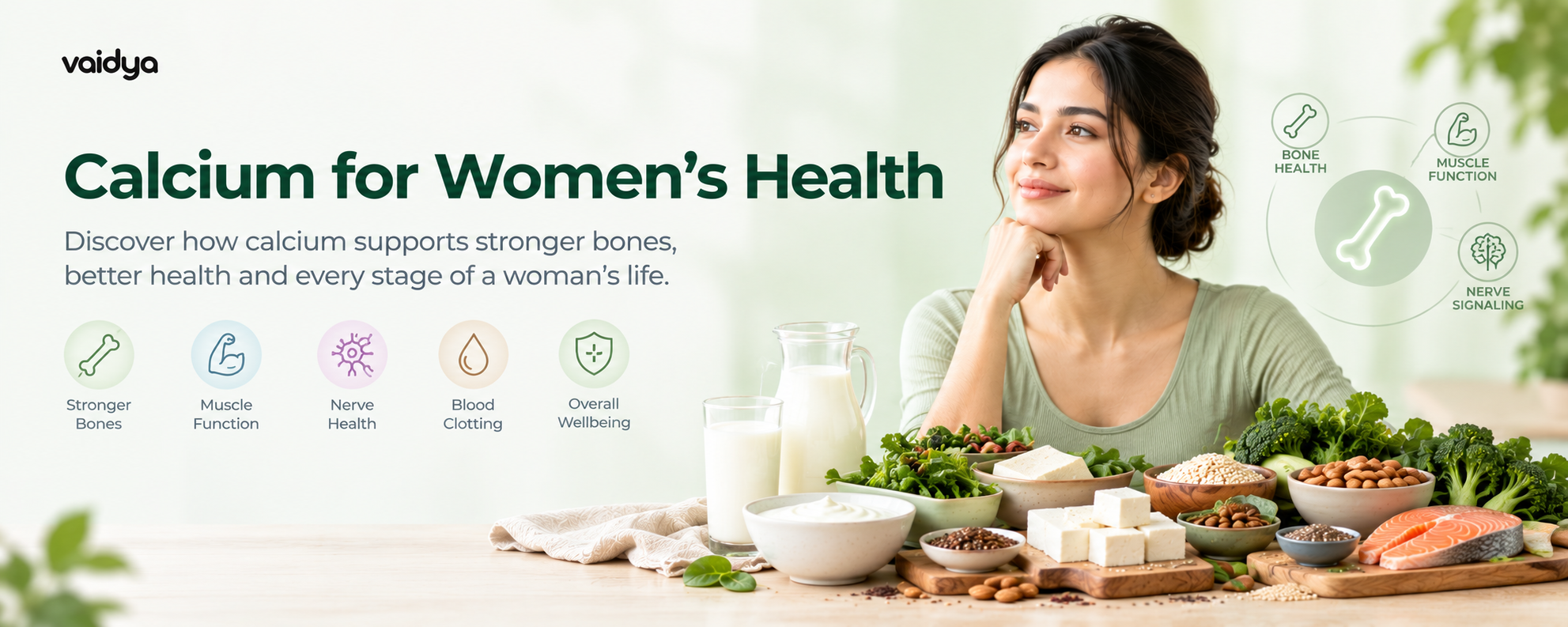
Calcium is often associated with strong bones, but its role in the body goes far beyond skeletal health. This essential mineral also contributes to muscle contraction, nerve signalling, and normal blood clotting.
For women, calcium becomes particularly important during certain life stages, including adolescence, pregnancy, and the years surrounding menopause.
But does every woman need extra calcium, or can a balanced diet provide enough?
The answer depends on age, dietary habits, individual health conditions, and whether daily calcium requirements are already being met.
Why is Calcium Important for Women?
Approximately 99% of the body's calcium is stored in bones and teeth, where it contributes to their structure and strength.
The remaining calcium supports essential physiological functions, including muscle movement and communication between nerve cells.
Bones continuously undergo a process called remodelling, during which old bone tissue is broken down and replaced.
Adequate calcium intake, together with vitamin D and regular weight-bearing activity, helps support bone health throughout life.
However, calcium alone cannot prevent every bone-related condition.
How Much Calcium Do Women Need Daily?
Calcium requirements vary by age and physiological stage.
According to the U.S. National Institutes of Health, the recommended dietary allowances for women are:
| Age or life stage | Recommended calcium intake |
|---|---|
| 19–50 years | 1,000 mg/day |
| 51 years and older | 1,200 mg/day |
| Pregnant or breastfeeding, 19–50 years | 1,000 mg/day |
| Pregnant or breastfeeding, 14–18 years | 1,300 mg/day |
These values represent total daily intake from food and supplements combined, not additional supplement doses.
Recommendations may differ between countries and professional guidelines.
Why Do Calcium Needs Change With Age?
During Early Adulthood
Women build much of their peak bone mass during adolescence and early adulthood.
Adequate calcium intake during these years supports normal bone development and maintenance.
During Pregnancy
Calcium is necessary for normal fetal skeletal development.
However, healthy pregnant adults do not automatically need more calcium than other women of the same age under U.S. dietary reference values.
In populations with low dietary calcium intake, the World Health Organization recommends calcium supplementation during pregnancy to help reduce the risk of pre-eclampsia, under appropriate healthcare guidance.
During Menopause
Oestrogen helps regulate bone remodelling.
As oestrogen levels decline during menopause, bone loss can accelerate, increasing the risk of osteoporosis over time.
This is one reason calcium and vitamin D intake, exercise, and appropriate bone-health assessment become particularly relevant with age.
5 Signs That May Suggest Inadequate Calcium Intake
Low calcium intake does not usually cause obvious immediate symptoms.
Over time, inadequate intake may contribute to reduced bone mineral density, especially when combined with other risk factors.
Possible concerns include:
-
Low bone density: Often identified through a bone density scan rather than symptoms.
-
Fragility fractures: Broken bones after minor falls may indicate weakened bones.
-
Limited calcium-rich foods: Regularly avoiding dairy and other calcium sources can increase the risk of inadequate intake.
-
Low vitamin D status: May reduce calcium absorption.
-
Certain medical conditions: Disorders affecting nutrient absorption can increase the risk of deficiency.
Muscle cramps or tingling may occur with abnormally low blood calcium, but these symptoms have many causes and are not reliable indicators of low dietary calcium intake.
Best Calcium-Rich Foods for Women
Many everyday foods can help women meet their calcium requirements.
Dairy Products
Milk, curd, and paneer can contribute calcium and protein.
Fortified Foods
Calcium-fortified plant-based beverages and certain fortified foods may be useful, particularly for people avoiding dairy.
Soy Products
Calcium-set tofu can provide substantial calcium, although the amount varies by preparation.
Leafy Vegetables
Kale and some other greens provide calcium. However, spinach contains oxalates that reduce calcium absorption, making it a less efficient calcium source.
Nuts and Seeds
Sesame seeds and almonds contribute calcium alongside other nutrients, although typical serving sizes may provide relatively modest amounts.
Including several calcium sources throughout the day can be more practical than depending on a single food.
What Is the Role of Vitamin D in Calcium Absorption?
Vitamin D helps the intestine absorb calcium and supports normal bone mineralisation.
Low vitamin D levels can reduce calcium absorption and contribute to bone-related problems.
Vitamin D can be obtained from selected foods, fortified products, supplements, and sunlight exposure.
However, excessive vitamin D supplementation can be harmful.
Women concerned about deficiency should discuss appropriate assessment and supplementation with a healthcare professional.
Do Women Need Calcium Supplements?
Not every woman needs a calcium supplement.
If dietary intake meets daily requirements, additional calcium may provide little benefit and can create unnecessary risks.
Women who consume limited calcium-rich foods, have certain absorption disorders, or have been advised to increase calcium intake may benefit from supplementation.
A multivitamin for women may contain some calcium, but many formulations do not provide enough to meet the full daily requirement.
Likewise, choosing the best multivitamin for women does not automatically mean selecting the product with the highest calcium content.
Excessive supplemental calcium may increase the risk of kidney stones in some individuals. Calcium supplements can also interact with medications, including levothyroxine and certain antibiotics.
Individual needs should guide supplement decisions.
Everyday Habits That Support Bone Health
Calcium works alongside other important health factors.
-
Include calcium-rich foods regularly.
-
Maintain adequate vitamin D intake.
-
Practise weight-bearing and muscle-strengthening exercise.
-
Avoid smoking.
-
Limit excessive alcohol consumption.
-
Seek medical advice about osteoporosis risk when appropriate.
Women with early menopause, previous fragility fractures, or other significant risk factors may require individual bone-health assessment.
Final Thoughts
Women do not automatically need extra calcium simply because they are women.
Their requirements depend on age, dietary intake, pregnancy-related circumstances, and bone-health risk factors.
For many women, a varied diet can provide sufficient calcium. Supplements may be helpful when intake is inadequate or a healthcare professional recommends them.
At Vaidya, we encourage evidence-based nutritional choices that support long-term wellbeing.
The goal is to meet your calcium needs consistently, not to consume more than your body requires.

 English
 Arabic
 French
 Spanish
 Deutsch
 Turkish
 Dutch
 Italiano
 Russian
 Romaian
 Portuguese (Brazil)
 Greek
