
How to Choose Practical Kitchen Textiles and Reusable Fabric Bags for Everyday Living
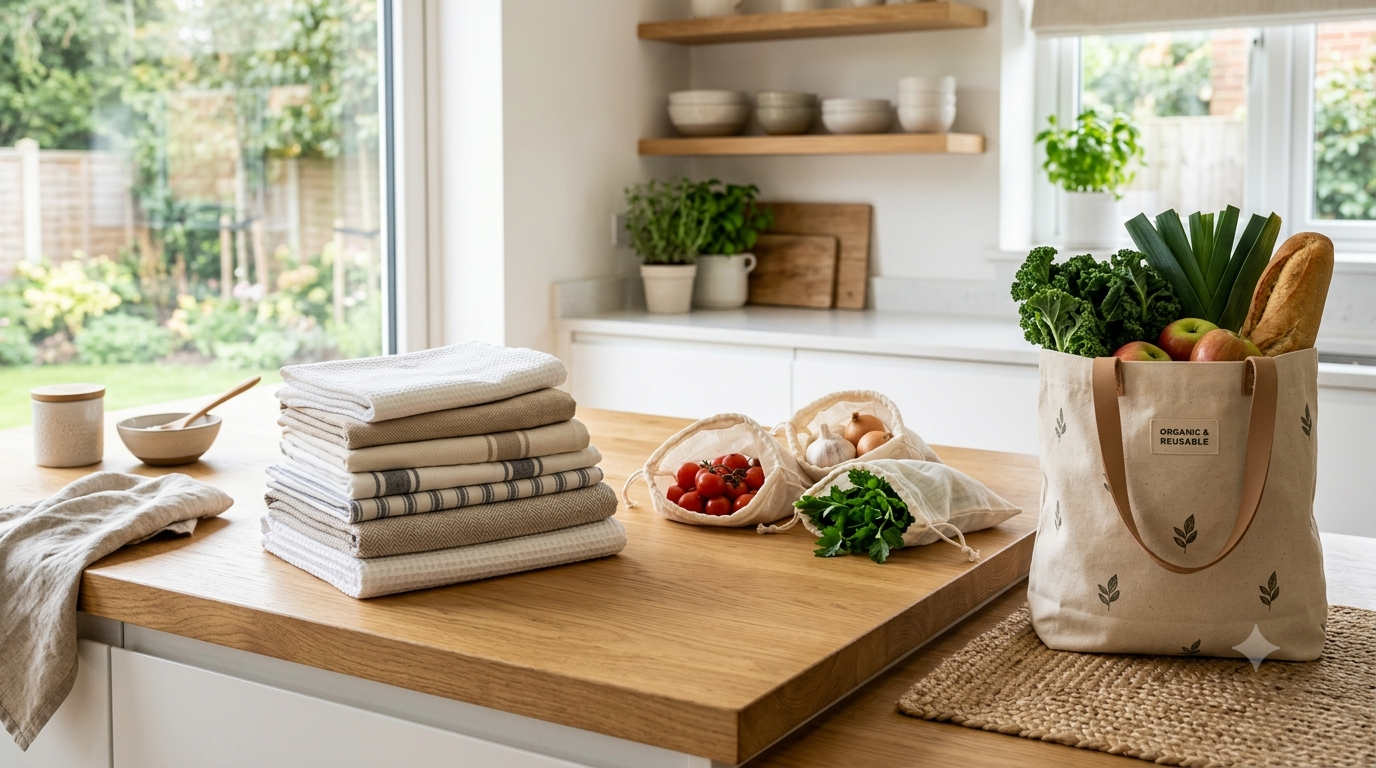
Creating a comfortable and organized home often starts with choosing the right everyday essentials. From drying dishes and cleaning kitchen surfaces to carrying groceries and organizing household items, fabric products play an important role in daily routines. Selecting practical, reusable options can improve convenience while helping households reduce their reliance on disposable alternatives.
Kitchen Towels are essential household textiles that serve multiple purposes, including drying dishes, wiping countertops, and cleaning everyday spills. Reusable fabric bags are equally useful for grocery shopping, storing selected items, and organizing belongings. When chosen carefully, these products combine functionality, durability, and attractive designs that complement different home interiors.
Understanding fabric types, product quality, maintenance requirements, and intended uses can help homeowners make informed purchasing decisions. Whether you are updating your kitchen or looking for practical alternatives to single-use products, the right textiles can make everyday household activities simpler and more efficient.
1. Understanding the Importance of Quality Kitchen Textiles
Kitchen textiles are used frequently, so choosing suitable materials is important for both convenience and long-term usability. Different fabrics offer different characteristics, making it helpful to understand their properties before purchasing.
Choosing the Right Fabric
Cotton is a popular material for kitchen textiles because it is comfortable to handle, washable, and available in different weaves and thicknesses. Lightweight cotton fabrics are often useful for drying dishes, while thicker options can provide additional coverage for general kitchen tasks.
Linen is another option for homeowners who appreciate natural textures and understated designs. Its distinctive appearance works well in traditional, farmhouse, and contemporary kitchens. Cotton and linen blends may offer a different balance of texture, absorbency, and softness depending on their construction.
When selecting Kitchen Towels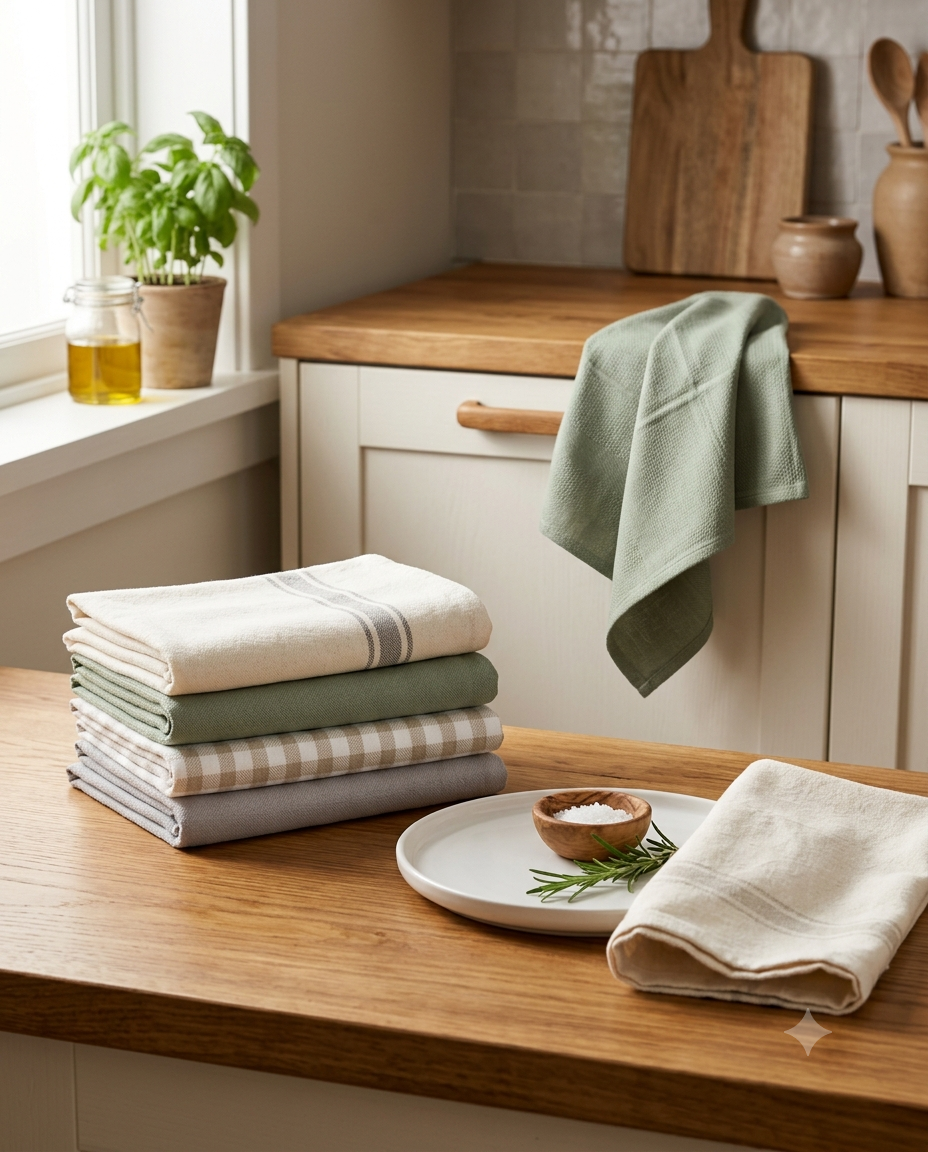 , consider the fabric, thickness, absorbency, drying time, and washing instructions. These factors can influence how well a towel performs during everyday use.
Combining Functionality with Style
Kitchen textiles can contribute to the overall appearance of a kitchen without compromising practicality. Neutral colors, classic checks, simple stripes, and subtle patterns can complement a wide range of interior styles.
Luxury Kitchen Towels can bring an elegant touch to everyday kitchen routines while remaining practical for regular use. Depending on their construction, they may feature refined patterns, carefully finished edges, textured fabrics, or coordinated colors that complement kitchen décor.
When choosing premium towels, consider more than appearance. Look for suitable absorbency, comfortable handling, durable stitching, and care instructions that fit your household routine. An attractive towel is most useful when it performs well and can be maintained without unnecessary effort.
Keeping several towels available for different purposes can also improve kitchen organization. For example, designate separate towels for drying clean dishes and handling general cleaning tasks. Wash them regularly and replace them when they become excessively worn.
2. How to Choose Reusable Fabric Bags for Everyday Needs
Reusable fabric bags are versatile household accessories that can support shopping, storage, and organization. Choosing the right design depends on what you intend to carry, how frequently you will use it, and how easily it can be maintained.
The Practical Uses of Muslin Bags
Muslin Bags are lightweight fabric bags commonly used for organizing small items, carrying selected groceries, and storing certain dry goods. Their simple construction and availability in different sizes make them useful for a variety of household purposes.
Depending on the fabric weave and bag design, they can provide a convenient option for carrying lightweight produce or separating small belongings inside a larger bag.
Before choosing one, consider the following factors:
-
Fabric quality: Select a weave appropriate for the items you intend to carry or store.
-
Bag size: Choose dimensions that accommodate your usual shopping or organization needs.
-
Closure design: Drawstrings can help keep contents contained during transportation.
-
Maintenance: Review washing and drying instructions before regular use.
-
Intended purpose: Make sure the bag is suitable for its contents and storage conditions.
These bags are not suitable for every food-storage situation. Some foods require refrigeration, airtight containers, or specific humidity conditions. Always consider the needs of the contents rather than assuming that a breathable fabric bag will preserve every item.
Why Canvas Tote Bags Are Useful
Canvas Tote Bags are practical for grocery shopping, commuting, carrying books, and transporting everyday essentials. Their usefulness depends on the quality of the fabric, the construction of the handles, and the weight they are designed to carry.
When choosing a tote, examine the stitching, seams, handle attachments, and overall dimensions. Reinforced handles can be beneficial when carrying heavier items, while a wider base may provide more room for groceries and other purchases.
For convenience, choose a design that can be folded and stored easily when not in use. Keeping a reusable tote near your shopping essentials can also help you remember to take it when leaving home.
Regular cleaning is important, particularly when bags are used to transport groceries. Follow the manufacturer's care instructions, allow the bag to dry completely, and inspect it periodically for damage.
3. Organizing Your Kitchen with Practical Fabric Essentials
An organized kitchen makes everyday activities easier by keeping frequently used items accessible and reducing unnecessary clutter. Fabric products can support this goal when each item has a designated purpose and storage location.
Create a Simple Storage System
Store clean kitchen textiles in a dry drawer, cabinet, or basket where they remain protected from moisture and contamination. Keep used towels separate from clean ones to maintain good household hygiene.
Reusable bags can be folded and stored together in a designated drawer or cupboard. Alternatively, keep a frequently used shopping tote near the place where you organize shopping lists and household errands.
Grouping items according to their purpose can make the system more effective. For instance, keep dish-drying towels together, separate cleaning cloths from food-related textiles, and organize reusable bags by size.
These simple habits make it easier to locate the right item when needed.
Choose Products That Serve Multiple Purposes
A functional home does not require an excessive number of household textiles. Instead, focus on products that meet your actual needs and can withstand regular use.
A household might benefit from lightweight towels for drying, separate cloths for cleaning tasks, small bags for organizing selected items, and larger totes for shopping.
Before purchasing another product, consider whether something you already own can serve the same purpose. Choosing carefully can reduce clutter, prevent unnecessary spending, and help you get more value from your existing household essentials.
4. Caring for Kitchen Textiles and Reusable Bags
Proper maintenance helps fabric products remain useful, clean, and presentable. Establishing a regular care routine is particularly important for items used around food or handled frequently.
Follow Appropriate Washing Practices
Always read the care instructions provided with each product. Fabric composition, construction, dyes, and decorative details can influence the recommended washing method.
Use a suitable detergent and washing temperature for the material. Avoid excessive heat when the care instructions recommend gentler treatment, and allow products to dry thoroughly before storing them.
Kitchen towels used to clean raw food spills or heavily soiled surfaces should be handled separately from towels intended for drying clean dishes. Replace them regularly and wash them appropriately to help maintain kitchen hygiene.
Reusable bags that carry groceries should also be cleaned according to their intended use and care instructions. Do not store damp bags in enclosed spaces, as trapped moisture can create unpleasant odors and hygiene problems.
Inspect and Maintain Products Regularly
Frequent use eventually causes wear, even when products receive proper care. Check towels for thinning fabric, damaged edges, or persistent stains. For reusable bags, inspect the handles, seams, closures, and areas that experience repeated stress.
Minor damage may be repairable, depending on the product's construction. If an item is no longer suitable for its original purpose, consider whether it can be safely repurposed for another household task.
However, textiles that cannot be cleaned adequately should not be reused for food-related activities.
5. Making More Thoughtful Household Choices
Choosing reusable household products can be part of a more considered approach to consumption. However, purchasing a reusable item alone does not automatically guarantee a lower environmental impact.
Durability, manufacturing methods, washing requirements, and frequency of reuse all influence a product's overall impact. A reusable bag provides the greatest practical value when it is used regularly and maintained appropriately.
Before buying new textiles, consider their intended purpose, expected frequency of use, storage requirements, and ease of cleaning. Compare materials and construction rather than relying entirely on appearance or marketing claims.
It is also worth prioritizing quality and suitability over quantity. Purchasing a few useful items that fit your routine may be more practical than collecting numerous products that serve similar purposes.
Small habits, such as carrying reusable shopping bags, caring for textiles properly, and replacing products only when necessary, can help create a more organized and efficient household.
Conclusion
Practical household textiles can make everyday routines easier while adding comfort and style to your home. From selecting suitable fabrics for kitchen tasks to choosing reusable bags for shopping and organization, thoughtful purchasing decisions help ensure that products meet your needs.
Understanding material characteristics, maintaining good cleaning habits, and organizing household essentials can improve the usefulness of these everyday items. Rather than focusing only on appearance, consider durability, functionality, maintenance, and the specific purpose of each product.
For readers interested in practical kitchen textiles, reusable fabric products, and everyday home essentials, All Cotton and Linen offers a relevant resource for exploring different options. Visit to discover products that may complement your household routines and personal preferences.
Ultimately, a well-organized home is built through small, consistent decisions. Choosing suitable textiles, reusing products thoughtfully, and caring for everyday essentials can help create a kitchen that is functional, welcoming, and easier to maintain.

 Arabic
 French
 Spanish
 Portuguese
 Deutsch
 Turkish
 Dutch
Dutch
 Italiano
 Russian
 Romaian
 Portuguese (Brazil)
 Greek
Greek
