
Botox vs Anti-Wrinkle Creams: Which Is More Effective?
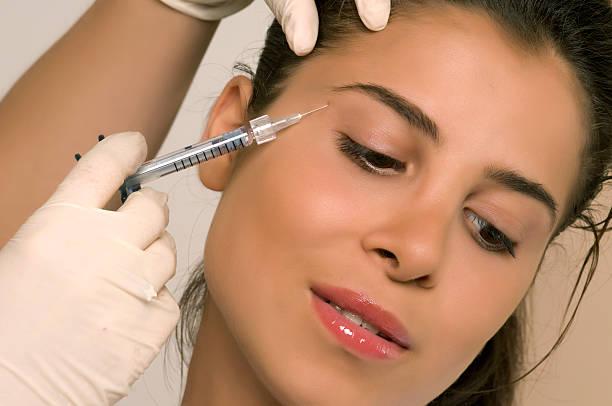
Wrinkles are a natural part of aging, but many people look for ways to soften their appearance and maintain smoother-looking skin. Two popular options are Botox injections and anti-wrinkle creams. Although both aim to improve visible signs of aging, they work differently and are suited to different concerns. Botox injections in Riyadh (حقن البوتوكس في الرياض) are commonly used to reduce expression lines caused by repeated muscle movements, while anti-wrinkle creams help improve skin hydration, texture, and the appearance of fine lines. Understanding how each option works can help you choose an approach that matches your skin condition, preferences, and aesthetic goals.
Choosing between injectable treatments and topical skincare depends on the type of wrinkles you want to address, how quickly you hope to see results, and whether you prefer a non-invasive routine. Botox injections in Riyadh may be suitable for people concerned about forehead lines, frown lines, and crow's feet that become more prominent during facial expressions. Anti-wrinkle creams may be helpful for dryness, rough texture, and some fine lines associated with sun exposure and aging. Neither option works equally well for every concern, and the best approach often begins with understanding what is causing the wrinkles.
What Is Botox?
Botox is a brand of botulinum toxin type A used in cosmetic medicine to temporarily reduce activity in selected facial muscles. Repeated muscle contractions contribute to dynamic wrinkles, particularly around the forehead, between the eyebrows, and near the outer corners of the eyes.
How Botox Works
Botox blocks the release of acetylcholine, a chemical messenger involved in muscle contraction. When the targeted muscles become less active, expression lines may appear softer. Treatment is administered by a qualified healthcare professional using carefully selected injection points and an appropriate dose.
Common Areas Treated With Botox
Botox is frequently used to improve forehead lines, frown lines between the eyebrows, and crow's feet. In selected cases, it may also be used for other concerns when clinically appropriate. The treatment plan depends on facial anatomy, muscle strength, medical history, and the individual's goals.
What Are Anti-Wrinkle Creams?
Anti-wrinkle creams are topical skincare products designed to improve the appearance and condition of the skin. Their ingredients vary, and their effectiveness depends on the formulation, concentration, consistency of use, and type of skin concern.
Common Ingredients in Anti-Wrinkle Creams
Some products contain retinoids, such as retinol, which may help improve fine lines, skin texture, and uneven pigmentation over time. Hyaluronic acid and glycerin attract or retain moisture, making the skin look temporarily plumper and helping soften the appearance of dehydration lines. Peptides, niacinamide, and antioxidants are also used in certain formulations, although evidence varies by ingredient and product.
How Anti-Wrinkle Creams Work
Unlike Botox, creams do not directly relax facial muscles. Instead, they work at the skin's surface or within the outer layers to support hydration, improve texture, and address some visible signs of sun-related aging. Results generally require consistent use, and creams cannot reproduce the muscle-relaxing effect of injectable treatments.
Botox vs Anti-Wrinkle Creams: What Are the Main Differences?
Both options can play a role in an anti-aging routine, but they target different causes of wrinkles.
Treatment Method
Botox is an injectable treatment administered by a trained professional. Anti-wrinkle creams are applied directly to the skin at home according to product instructions. Creams are generally easier to incorporate into a daily routine, while Botox requires a clinical appointment and appropriate follow-up.
Effectiveness for Expression Lines
Botox is generally more effective for dynamic wrinkles caused by repeated facial muscle movement. These include frown lines, forehead lines, and crow's feet. Anti-wrinkle creams may improve the skin's overall appearance but do not produce the same targeted reduction in muscle activity.
Effectiveness for Skin Texture and Fine Lines
Skincare products may be more suitable for concerns such as dryness, rough texture, and uneven skin tone. Ingredients such as retinoids can improve the appearance of certain fine lines with regular use, while moisturizers can temporarily soften dehydration lines. Botox does not directly improve skin hydration or treat pigmentation.
How Quickly Results Appear
Botox results develop over several days, with the full effect commonly visible within about 10–14 days. Anti-wrinkle creams work more gradually. Moisturizers may improve dryness quickly, while products containing retinoids may require several weeks or months of consistent use to show noticeable changes.
How Long Results Last
Botox results commonly last around three to four months, although duration varies by person and treatment area. Creams generally need ongoing use to maintain their benefits. If a product is discontinued, improvements related to hydration or its active ingredients may gradually diminish.
Which Option Is Better for Different Types of Wrinkles?
The most effective option depends on the cause and appearance of your wrinkles.
Forehead Lines and Frown Lines
When lines become more pronounced as you raise your eyebrows or frown, Botox may provide a more targeted improvement because these wrinkles are linked to muscle activity. Creams may support skin quality but are unlikely to produce a comparable effect on these expression lines.
Fine Lines and Dry Skin
If your main concern is dryness or fine lines that become noticeable when the skin lacks moisture, a well-formulated moisturizer may help. Products containing suitable retinoids may also improve some fine lines over time, provided they are appropriate for your skin and used consistently.
Sun Damage and Uneven Skin Tone
Botox does not treat sunspots or pigmentation. A skincare routine containing broad-spectrum sunscreen and suitable ingredients may be more useful for these concerns. Sunscreen is especially important because ultraviolet exposure contributes to premature skin aging.
Can Botox and Anti-Wrinkle Creams Be Used Together?
Yes. Botox and skincare products can complement each other because they address different concerns. Botox may soften expression lines, while moisturizers, sunscreen, and selected active ingredients support skin health and texture.
A practical routine may include gentle cleansing, moisturizing, and daily broad-spectrum sunscreen. If you want to add a retinoid, introduce it gradually and seek professional advice if you have sensitive skin, eczema, or other skin concerns. Follow your injector's aftercare instructions after Botox treatment, particularly regarding the timing of skincare application and any temporary irritation.
Are There Any Risks or Side Effects?
Botox may cause temporary redness, swelling, bruising, headache, or tenderness around injection sites. Less common effects include eyelid or eyebrow drooping, facial asymmetry, and unwanted muscle weakness. Rarely, serious symptoms such as difficulty swallowing, speaking, or breathing can occur and require urgent medical attention.
Anti-wrinkle creams may cause dryness, redness, peeling, irritation, or allergic reactions. Retinoids can increase skin irritation, particularly when introduced too quickly. Some retinoids should be avoided during pregnancy, so discuss product selection with a healthcare professional if you are pregnant, planning pregnancy, or breastfeeding.
Choose a qualified medical professional for injectable treatments and use skincare products according to their instructions. If you develop a significant reaction, stop using the suspected product and seek appropriate medical advice.
How to Choose the Right Option in Riyadh
If you are considering Botox injections in Riyadh, start by identifying the specific concern you want to improve. Dynamic wrinkles caused by facial movement may respond better to Botox, while dryness, uneven texture, and some fine lines may benefit from topical skincare. A professional assessment can help clarify the likely benefits, limitations, and risks of each approach.
There is no need to choose an injectable treatment simply because it is popular. For some people, a consistent skincare routine may be sufficient. Others may prefer Botox for specific expression lines while continuing to use skincare products to support their skin. A personalized plan should reflect your facial features, skin condition, medical history, and realistic expectations.
Book Your Consultation at Royal Clinic Saudia
If you are unsure whether Botox or anti-wrinkle creams are right for your concerns, Royal Clinic Saudia (عيادات رويال كلينك) can help you explore appropriate aesthetic options. Arrange a consultation to discuss your goals, understand the differences between treatments, and receive professional guidance tailored to your needs.
FAQs:
Is Botox more effective than anti-wrinkle creams?
For dynamic wrinkles caused by repeated muscle movement, Botox generally provides a more targeted effect. Anti-wrinkle creams may be more useful for hydration, skin texture, and certain fine lines. The better option depends on the concern being treated.
Can anti-wrinkle creams replace Botox?
Creams cannot replicate Botox's temporary muscle-relaxing effect. However, suitable skincare products can improve skin hydration and texture and may soften some fine lines with consistent use.
How long does Botox take to work compared with creams?
Botox typically begins to show effects within several days, with the full result commonly developing within 10–14 days. Creams vary by ingredient; moisturizers may help dryness quickly, while products intended to improve fine lines may require weeks or months.
Can I use anti-wrinkle creams after Botox?
Many skincare products can be used after Botox, but follow your practitioner's aftercare instructions and avoid irritating the treated skin. If you use retinoids or exfoliating products, ask when it is appropriate to resume them after treatment.

 English
 Arabic
 French
 Spanish
 Portuguese
 Deutsch
 Turkish
 Dutch
Dutch
 Italiano
 Russian
 Portuguese (Brazil)
 Greek
Greek
