
Heat Pump Repair: Common Problems, Warning Signs, and Solutions in 2026
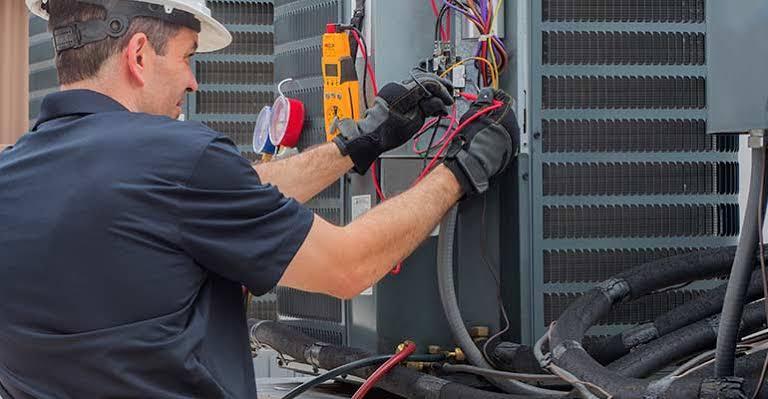
Maintaining a comfortable indoor environment requires heating and cooling equipment that operates efficiently throughout the year. Heat pumps have become a popular choice for residential and commercial properties because they can provide both heating and cooling through a single system. However, like any mechanical equipment, they can develop problems that affect performance, energy consumption, and indoor comfort.
Understanding the warning signs of equipment failure can help property owners address minor issues before they become expensive repairs. Regular maintenance, timely troubleshooting, and professional service are essential for keeping a heat pump operating reliably across changing weather conditions.
How Does a Heat Pump Work?
A heat pump transfers heat rather than generating it directly. During warmer months, it removes heat from indoor air and transfers it outside. During colder weather, the system reverses the process, extracting available heat from outdoor air and moving it indoors.
This technology can provide an energy-efficient alternative to traditional heating and cooling equipment, depending on the climate, system design, and operating conditions.
A typical heat pump system includes an outdoor unit, an indoor air handler, a compressor, refrigerant lines, coils, and electrical controls. Because these components work together, a problem in one area can affect the performance of the entire system.
Common Signs Your System Needs Professional Attention
Recognizing early warning signs can help homeowners determine when professional assistance may be necessary.
Insufficient Heating or Cooling
If the system runs continuously without maintaining the desired temperature, possible causes include restricted airflow, dirty coils, incorrect thermostat settings, refrigerant problems, or failing components.
A professional inspection can identify the underlying issue and determine the appropriate repair.
Unusual Noises
Grinding, rattling, buzzing, or persistent clicking sounds may indicate loose components, electrical problems, or mechanical wear. Although some operating sounds are normal, sudden or unusual noises should not be ignored.
Unexpected Energy Bill Increases
A sudden increase in electricity consumption may indicate that the system is working harder than necessary. Dirty filters, airflow restrictions, malfunctioning controls, and other mechanical problems can reduce efficiency.
Frequent Cycling
A heat pump that repeatedly switches on and off may have a thermostat issue, restricted airflow, improper sizing, or an electrical fault. Frequent cycling can increase wear and reduce comfort.
Ice Buildup on the Outdoor Unit
Some frost on an outdoor coil can be normal during cold weather, and the system may periodically activate a defrost cycle. However, persistent heavy ice accumulation may indicate a problem with defrost controls, airflow, or other components.
If ice continues to accumulate, professional diagnosis is recommended.
When Is Heat Pump Repair Necessary?
Property owners often wonder whether a malfunction requires a simple adjustment or a more extensive service visit. The answer depends on the symptoms, the age of the equipment, and the condition of its components.
A heat pump repair service may be necessary when the system has persistent airflow problems, unusual noises, refrigerant leaks, electrical faults, or a compressor that is not operating correctly.
Some issues, such as incorrect thermostat settings or a clogged air filter, may be resolved through basic homeowner maintenance. Problems involving refrigerant, electrical components, compressors, or internal mechanical parts should be handled by qualified technicians.
Prompt attention can help prevent additional damage and restore dependable operation.
What Causes Heat Pump Problems?
Several factors can contribute to declining performance.
Dirty Air Filters
Clogged filters restrict airflow, making it harder for the system to move conditioned air throughout the property. Replacing or cleaning filters according to the manufacturer's instructions can help maintain proper circulation.
Refrigerant Leaks
Refrigerant allows the system to transfer heat efficiently. A leak can reduce performance and potentially damage equipment if left unresolved. Refrigerant handling and leak repairs should be performed by qualified professionals.
Electrical Issues
Faulty capacitors, damaged wiring, contactor problems, and control-board failures can prevent components from operating correctly. Electrical troubleshooting requires appropriate training and safety precautions.
Dirty Coils
Dirt and debris on indoor or outdoor coils can interfere with heat transfer. Professional cleaning may improve performance when contamination is affecting system operation.
Thermostat Problems
Incorrect settings, poor placement, incompatible controls, or faulty sensors can cause temperature inconsistencies and unnecessary cycling.
The Importance of Preventive Maintenance
Preventive maintenance can reduce the likelihood of unexpected breakdowns and help equipment operate more efficiently.
A routine maintenance program may include:
-
Inspecting and replacing air filters
-
Checking thermostat operation
-
Cleaning accessible debris around the outdoor unit
-
Inspecting electrical connections
-
Checking refrigerant-system performance
-
Cleaning coils when necessary
-
Examining condensate drainage
-
Testing heating and cooling operation
Homeowners should follow the manufacturer's maintenance recommendations and arrange professional inspections at appropriate intervals.
Keeping vegetation, leaves, and other obstructions away from the outdoor unit can also help preserve airflow.
Choosing a Reliable Repair Professional
Selecting a qualified technician is an important part of protecting heating and cooling equipment. Property owners should consider the technician's experience, licensing requirements in their jurisdiction, insurance coverage, and familiarity with the specific system.
Before approving major work, ask for an explanation of the diagnosed problem, recommended repairs, estimated costs, and any applicable warranty coverage.
A dependable professional should explain the available options clearly rather than recommending unnecessary component replacements without adequate justification.
It is also helpful to retain maintenance records, invoices, and information about previous repairs. These documents can assist with future troubleshooting and equipment planning.
Repair or Replacement: Which Is Better?
Repairing an existing system may be practical when the issue is limited, replacement parts are available, and the equipment has substantial useful life remaining.
Replacement may deserve consideration when the unit experiences repeated breakdowns, requires expensive repairs, has declining efficiency, or no longer meets the property's heating and cooling needs.
The decision should consider the repair cost, equipment age, expected reliability, energy performance, warranty status, and long-term operating expenses.
Comparing these factors can help property owners make a more informed financial decision.
Smart Technology and Heat Pump Efficiency in 2026
Heating and cooling technology continues to evolve, with smart thermostats, variable-speed compressors, improved controls, and connected monitoring systems helping property owners manage indoor comfort.
Some modern systems can identify operating irregularities, provide maintenance alerts, and adjust performance based on changing conditions. These features may help users recognize problems earlier, although they do not eliminate the need for physical inspections and professional repairs.
Regular maintenance remains important even when equipment includes advanced monitoring technology.
Conclusion
Reliable heating and cooling depend on proper installation, routine maintenance, and timely attention to developing problems. Understanding common warning signs can help property owners recognize when equipment needs attention and avoid allowing minor issues to become more serious.
By maintaining clean filters, keeping outdoor units unobstructed, monitoring system performance, and consulting qualified technicians when necessary, homeowners can support dependable operation throughout the year. A proactive approach can improve comfort, protect equipment, and help manage long-term energy and maintenance costs.

 English
 Arabic
 French
 Spanish
 Portuguese
 Deutsch
 Dutch
Dutch
 Italiano
 Russian
 Romaian
 Portuguese (Brazil)
 Greek
Greek
