
Aluminium Boat Building: New Technologies Transforming Marine Vessel Design
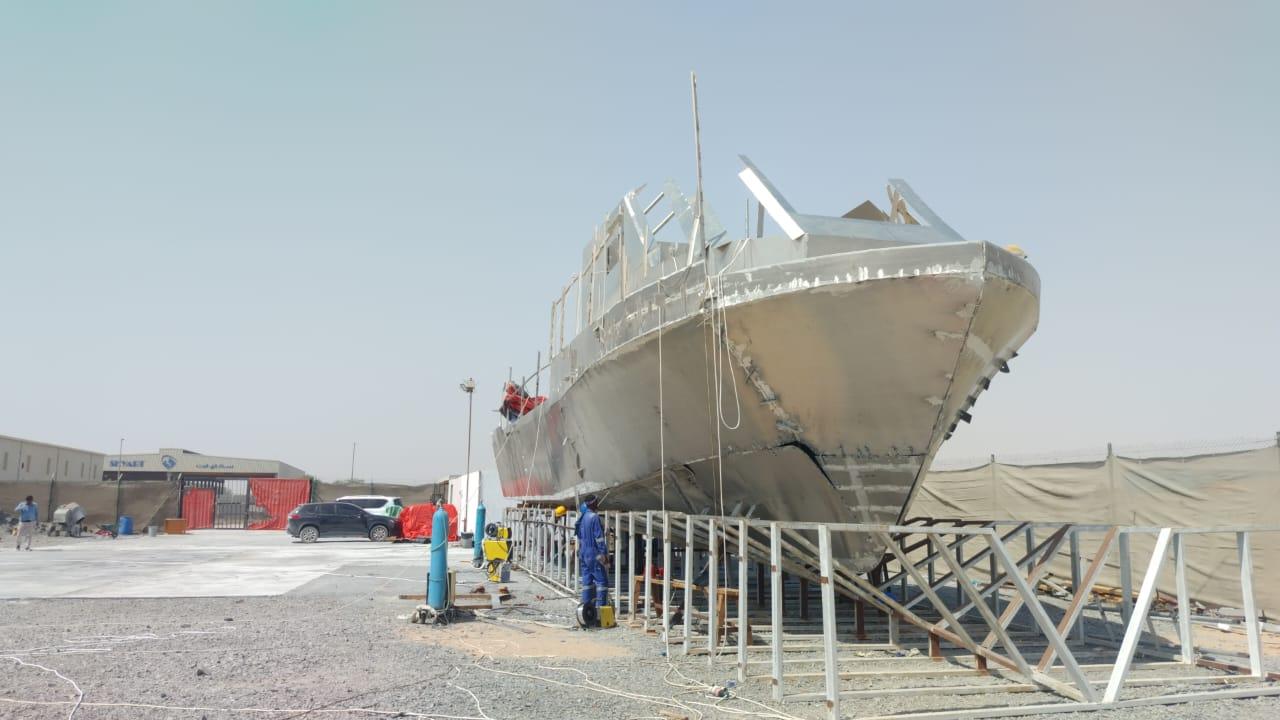
The marine industry is continuously evolving as vessel operators demand boats that are stronger, lighter, safer, and more efficient. Modern engineering methods and advanced materials are changing how marine vessels are designed and manufactured. Aluminium boat building has become an important part of this development because aluminium offers a useful combination of low weight, corrosion resistance, and structural strength for many commercial applications.
From passenger transportation and fishing to offshore support and rescue operations, aluminium vessels are used for a wide range of marine activities. Modern technologies such as 3D modelling, automated cutting, advanced welding, and digital monitoring are helping improve construction quality and operational performance.
The density of aluminium is approximately 2.7 tonnes per cubic metre, compared with around 7.8 tonnes per cubic metre for steel. This means aluminium is roughly one-third as dense as steel, although the actual weight difference between completed vessels depends on their structural design and equipment.
These developments are creating new opportunities for aluminium boats manufacturers to produce vessels that meet changing commercial requirements while maintaining quality, safety, and efficiency.
1. Advanced Digital Design and 3D Modelling
Digital design technology has transformed the planning stage of modern boat construction. In the past, engineers relied heavily on traditional drawings and manual measurements. Today, computer-aided design (CAD) and three-dimensional modelling allow naval architects to develop detailed vessel designs before manufacturing begins.
These digital models help engineers examine hull shapes, deck layouts, internal compartments, and equipment placement. Design changes can be made before materials are cut, reducing the possibility of expensive modifications during construction.
Computational fluid dynamics (CFD) is another valuable technology. It allows engineers to simulate water flow around a vessel and estimate resistance under different operating conditions. These simulations can help improve hull efficiency, speed, and manoeuvrability.
For commercial operators, a well-designed hull may reduce propulsion requirements and improve carrying capacity within the vessel's approved limits. However, the final benefits depend on loading, operating conditions, propulsion systems, and overall vessel design.
2. Modern Marine-Grade Aluminium Alloys
Material selection is essential for building reliable marine vessels. Different aluminium alloys offer different combinations of strength, corrosion resistance, weldability, and fabrication characteristics.
The 5000 series, including marine-grade alloys commonly used for hull plates, is valued for its corrosion resistance and suitability for welded structures. Selected 6000-series alloys are also used in suitable extrusions, frames, and structural components.
One of aluminium's main advantages is its relatively low density. A carefully engineered aluminium vessel can weigh considerably less than a comparable steel vessel, depending on the design and structural requirements. Lower structural weight can create opportunities for improved speed, increased payload, or reduced energy consumption.
However, engineers must also consider stiffness, fatigue resistance, impact loads, and the intended service environment. Choosing the correct alloy and thickness is necessary to achieve the required strength and durability.
Material quality alone does not guarantee performance. Proper fabrication, structural design, inspection, and maintenance remain equally important.
3. Precision Manufacturing and Automated Cutting
Modern manufacturing equipment is improving the accuracy of aluminium vessel construction. Computer-controlled cutting machines can manufacture plates and components according to detailed digital specifications, helping reduce measurement errors and material waste.
This technology is particularly useful when producing curved hull sections, complex deck arrangements, and accurately fitted structural components. Better dimensional accuracy can make assembly easier and reduce the need for repeated adjustments.
Production planning software also helps organise cutting schedules, material requirements, and assembly sequences. These systems allow manufacturing teams to monitor progress and identify possible delays earlier.
For aluminium boat builders, precision manufacturing can improve consistency across different vessel projects. It also supports more efficient use of materials, which is important when controlling project costs without compromising construction standards.
Combining digital planning with skilled fabrication helps create vessels that meet their intended operational requirements.
4. Advanced Welding Technologies
Welding is one of the most important processes in aluminium vessel construction. Aluminium requires specialised welding procedures because its thermal properties and oxide layer create challenges that differ from those encountered when welding steel.
Modern gas metal arc welding techniques and friction stir welding, where appropriate, offer ways to improve joining processes. Their suitability depends on the alloy, joint configuration, component thickness, and manufacturing requirements.
Heat management is particularly important because excessive heat can cause distortion and affect the dimensions of fabricated structures. Carefully controlled welding procedures help maintain hull alignment and improve the consistency of assembled components.
Quality assurance is equally essential. Visual examinations, dimensional inspections, and appropriate non-destructive testing can help identify potential defects in critical joints.
Qualified welding personnel, documented procedures, and systematic inspections contribute to reliable vessel construction. These practices are especially important for commercial vessels operating in demanding marine environments.
5. Hydrodynamic Hull Design for Better Efficiency
The shape of a boat's hull affects its speed, stability, handling, and energy consumption. Modern engineering software enables designers to compare different hull configurations before construction begins.
For example, a passenger boat designed for higher speeds may require a hull that reduces resistance during operation. A workboat intended for shallow waters may need a different balance of draft, stability, and carrying capacity.
CFD simulations help engineers understand water movement around the hull and evaluate design alternatives. The findings can guide decisions about hull geometry, propulsion arrangements, and other performance-related features.
Improved hydrodynamic design may reduce fuel consumption under suitable operating conditions. It can also help provide smoother handling and better operational flexibility.
Nevertheless, simulations should be supported by appropriate engineering calculations and testing. Actual performance depends on weather, waves, loading, engine condition, and operating speed.
6. Smart Monitoring and Digital Vessel Systems
Digital technology is improving the way modern marine vessels are operated and maintained. Sensors can monitor engine temperature, vibration, fuel consumption, battery condition, and other important operating parameters.
When connected to suitable monitoring equipment, these sensors provide information that helps crews recognise unusual conditions and arrange maintenance before a problem becomes more serious.
Modern navigation systems, electronic controls, and onboard alarms can also support operational awareness. Depending on the vessel's configuration, integrated systems may help operators monitor machinery and important onboard equipment.
Another developing technology is the digital twin, which creates a virtual representation of a physical asset using design and operational information. In marine applications, this approach can help compare actual performance with expected results and support maintenance planning.
Digital systems do not replace trained crews or regular inspections. Instead, they provide additional information that can help improve reliability and decision-making.
7. Corrosion Protection and Long-Term Durability
Although aluminium naturally develops a protective oxide layer, seawater exposure can still cause localised corrosion under certain conditions. Contact with dissimilar metals, trapped moisture, damaged coatings, and poor drainage can increase the risk.
Modern construction practices address these issues through suitable alloy selection, correct joint design, electrical isolation between incompatible metals, and protective coatings where necessary.
Routine inspections are particularly important around welds, fittings, bilges, and areas where seawater may collect. Keeping surfaces clean and ensuring proper drainage can help prevent avoidable deterioration.
Maintenance planning also supports long-term reliability. Identifying corrosion early can reduce repair requirements and help preserve structural integrity throughout the vessel's working life.
For commercial operators, durability is not determined by construction materials alone. Proper operation, periodic inspections, and timely repairs all contribute to dependable performance.
8. Sustainability and Resource Efficiency
Environmental responsibility is becoming increasingly important in the marine industry. Lightweight vessel designs may require less propulsion energy under certain operating conditions, potentially reducing fuel consumption and associated emissions.
Aluminium also has an important recycling advantage. Recycling aluminium generally requires substantially less energy than producing primary aluminium from raw materials. However, the overall environmental impact of a vessel depends on material sourcing, manufacturing methods, operating life, and end-of-life recycling.
Manufacturers can support sustainability by improving cutting accuracy, reducing fabrication waste, and designing components that can be maintained or replaced more easily.
Operators can contribute by maintaining engines, selecting suitable operating speeds, and following efficient vessel management practices.
These combined measures can help improve resource efficiency without compromising safety or performance.
9. Choosing the Right Construction Partner
Selecting a suitable construction partner is an important decision for anyone planning a commercial marine vessel. Buyers should consider engineering experience, material quality, fabrication standards, inspection procedures, delivery planning, and after-construction support.
A reliable boat building company should understand the intended operating environment and develop a design that matches the vessel's purpose. Requirements for passenger transportation, fishing, offshore support, and industrial workboats can differ significantly.
The construction process should include suitable structural calculations, quality checks, and compliance with applicable maritime requirements. Buyers should also evaluate maintenance access, equipment installation, and expected operating costs.
VU Marine is associated with the UAE marine sector, where vessel construction, maintenance, and specialised marine operations are important to commercial maritime activities. A focus on practical engineering, quality workmanship, and long-term vessel performance can help support the needs of marine operators.
Ultimately, successful projects depend on selecting the right design, materials, construction methods, and quality controls.
Conclusion
New technologies are transforming aluminium vessel design and construction through advanced modelling, precision manufacturing, improved welding, hydrodynamic analysis, and digital monitoring. These developments help engineers build boats that are better suited to modern commercial requirements.
Aluminium offers valuable advantages because of its low density, corrosion resistance, and fabrication flexibility. However, achieving reliable performance requires suitable material selection, sound engineering, qualified workmanship, and regular maintenance.
As the marine industry continues to develop, combining technological innovation with responsible construction practices will remain essential. Well-designed aluminium vessels can provide practical solutions for commercial transportation, offshore operations, fishing, and other marine activities while supporting efficiency, durability, and long-term operational value.

 English
 Arabic
 French
 Spanish
 Portuguese
 Deutsch
 Turkish
 Italiano
 Russian
 Romaian
 Portuguese (Brazil)
 Greek
Greek
